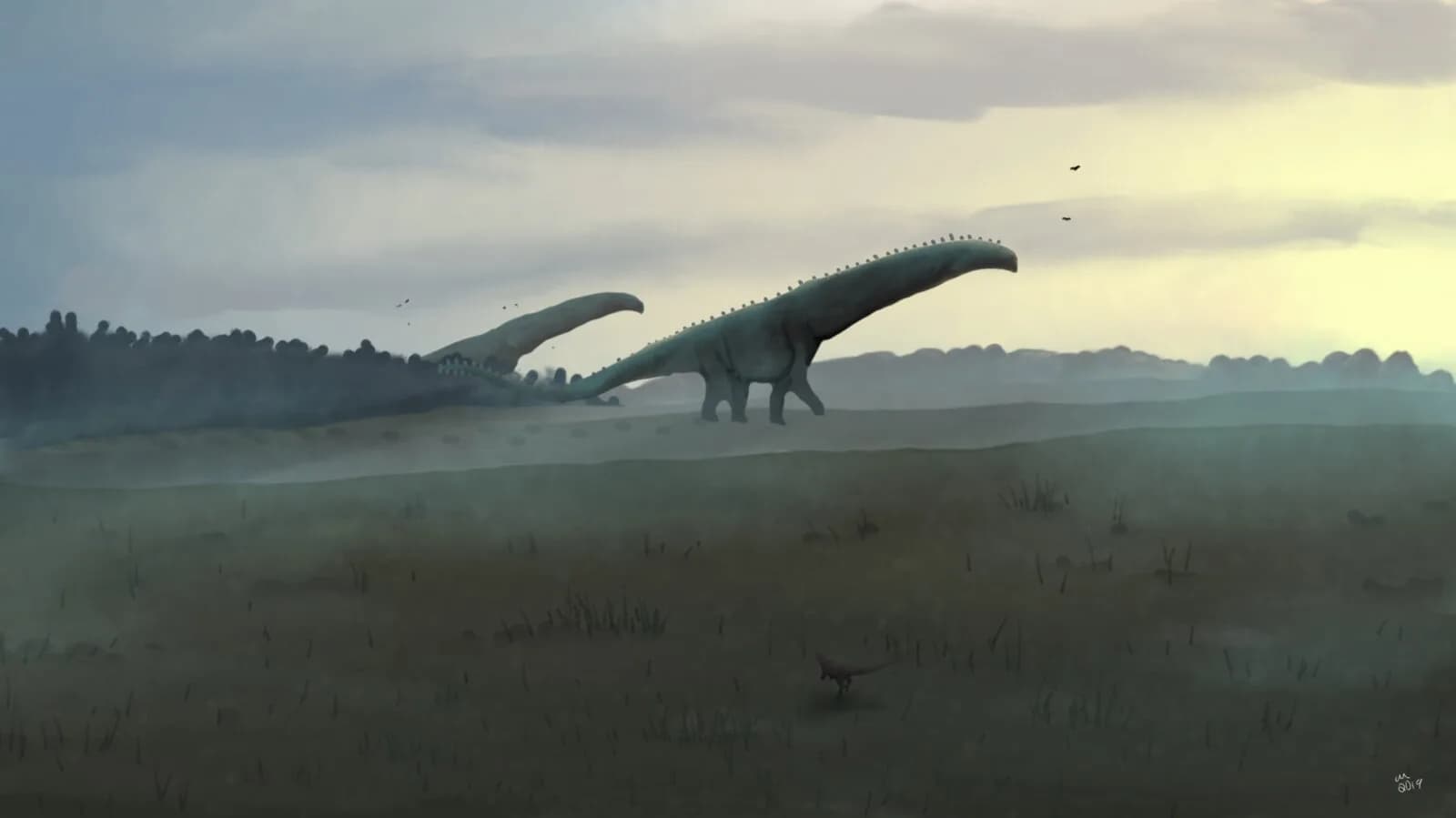
Patagotitan
Patagotitan mayorum ranks among the largest land animals ever described: 31 to 37 metres and 55 to 77 tonnes. A single femur measures 2.4 metres, more than a grown adult. Its first bones were spotted by a shepherd who saw one protruding from the ground in Patagonia. It browsed Argentina 101 to 98 million years ago.
Patagotitan lived during the Late Cretaceous, approximately 102 to 95 million years ago, during the Albian to Cenomanian stages. Argentine Patagonia at this time was a vast alluvial plain with conifer forests and a temperate to subtropical climate that supported abundant vegetation. It was during this period that South American titanosaurs reached extraordinary dimensions, evolving to become the largest land animals the planet has ever seen, and Patagotitan potentially represents the heaviest terrestrial animal of all time. Its discovery in 2014 made worldwide headlines.
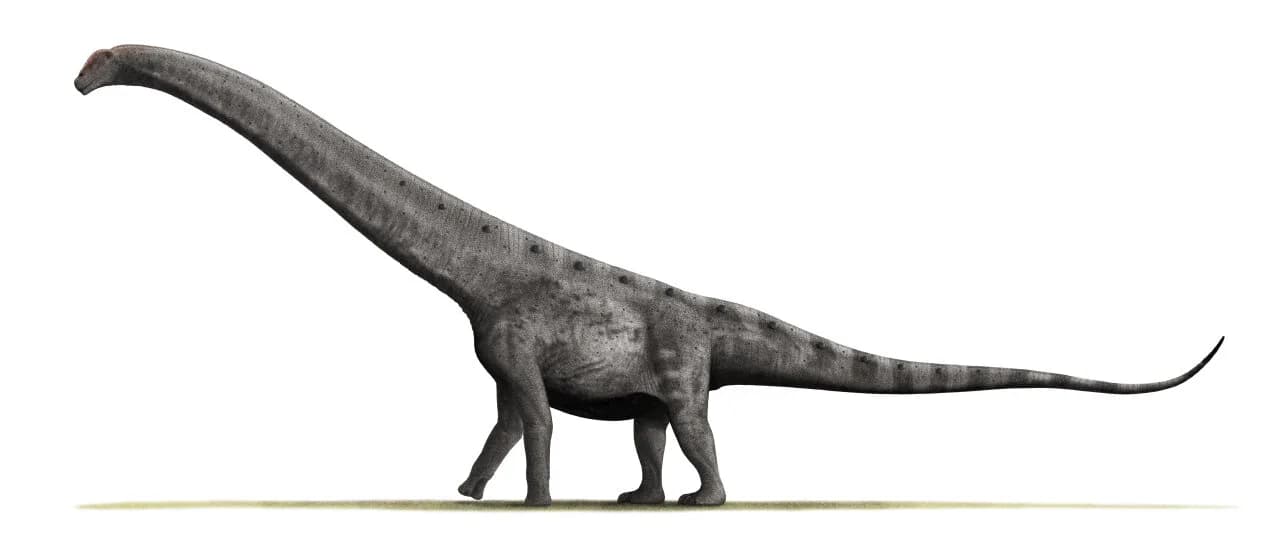
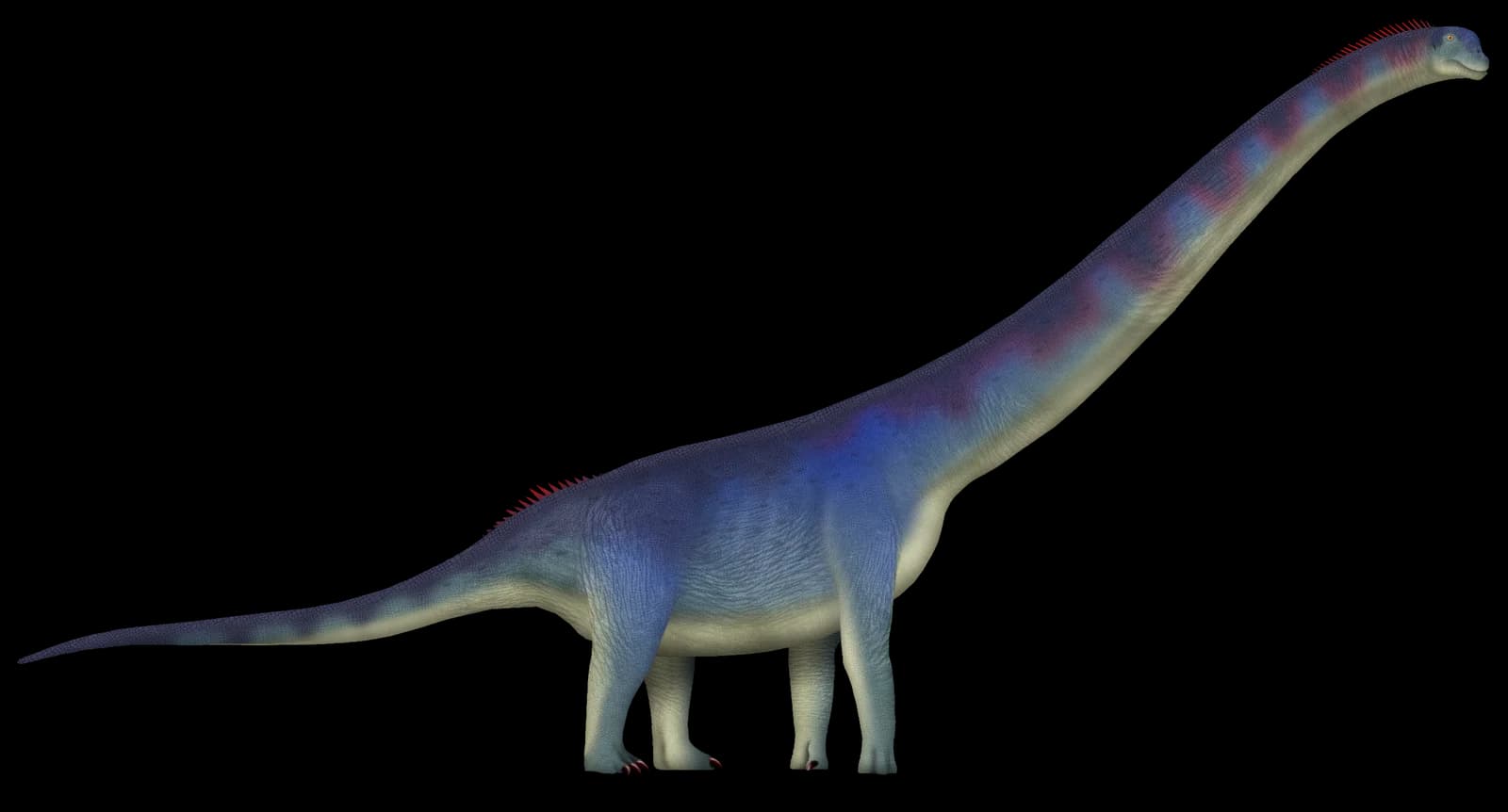
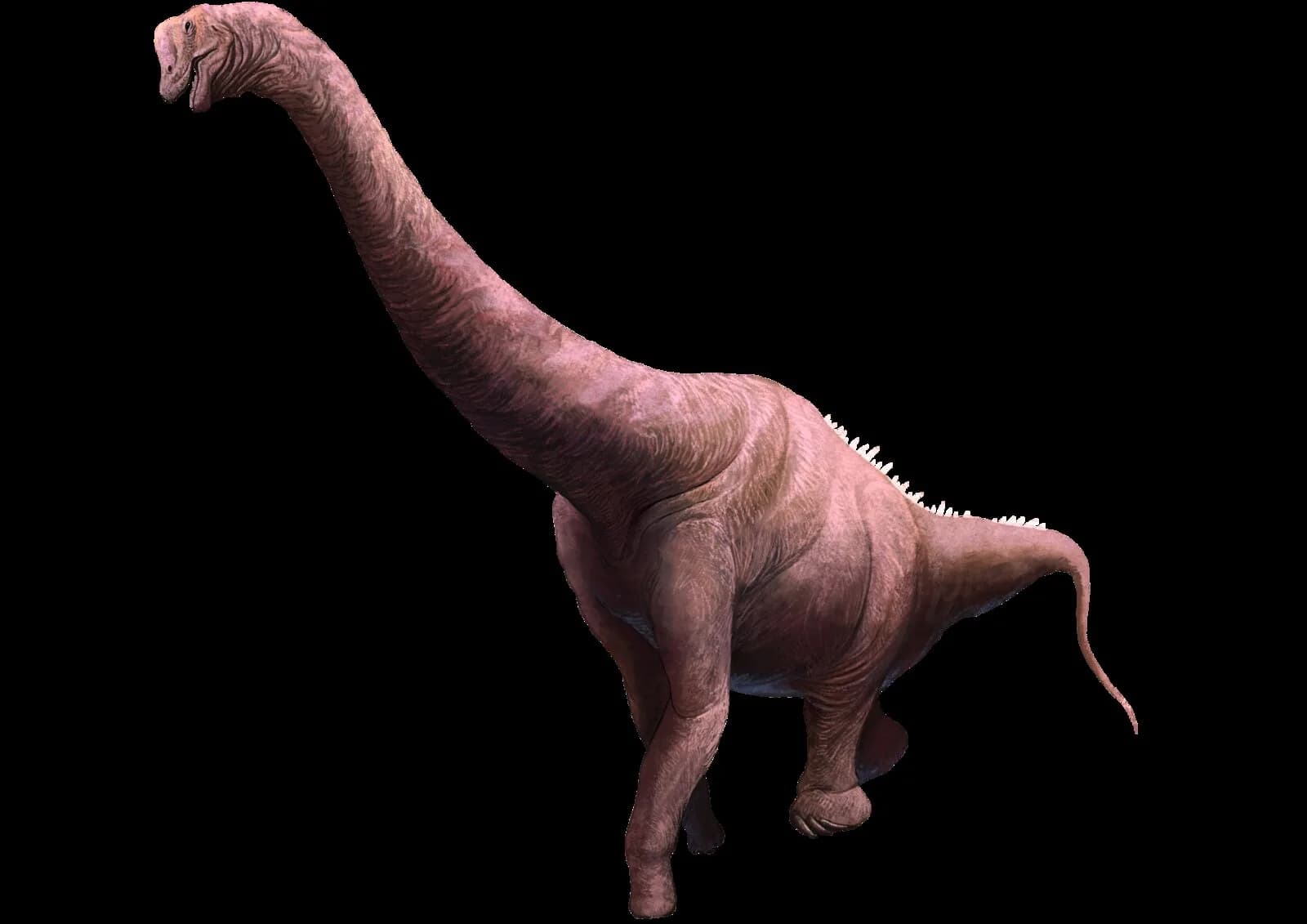
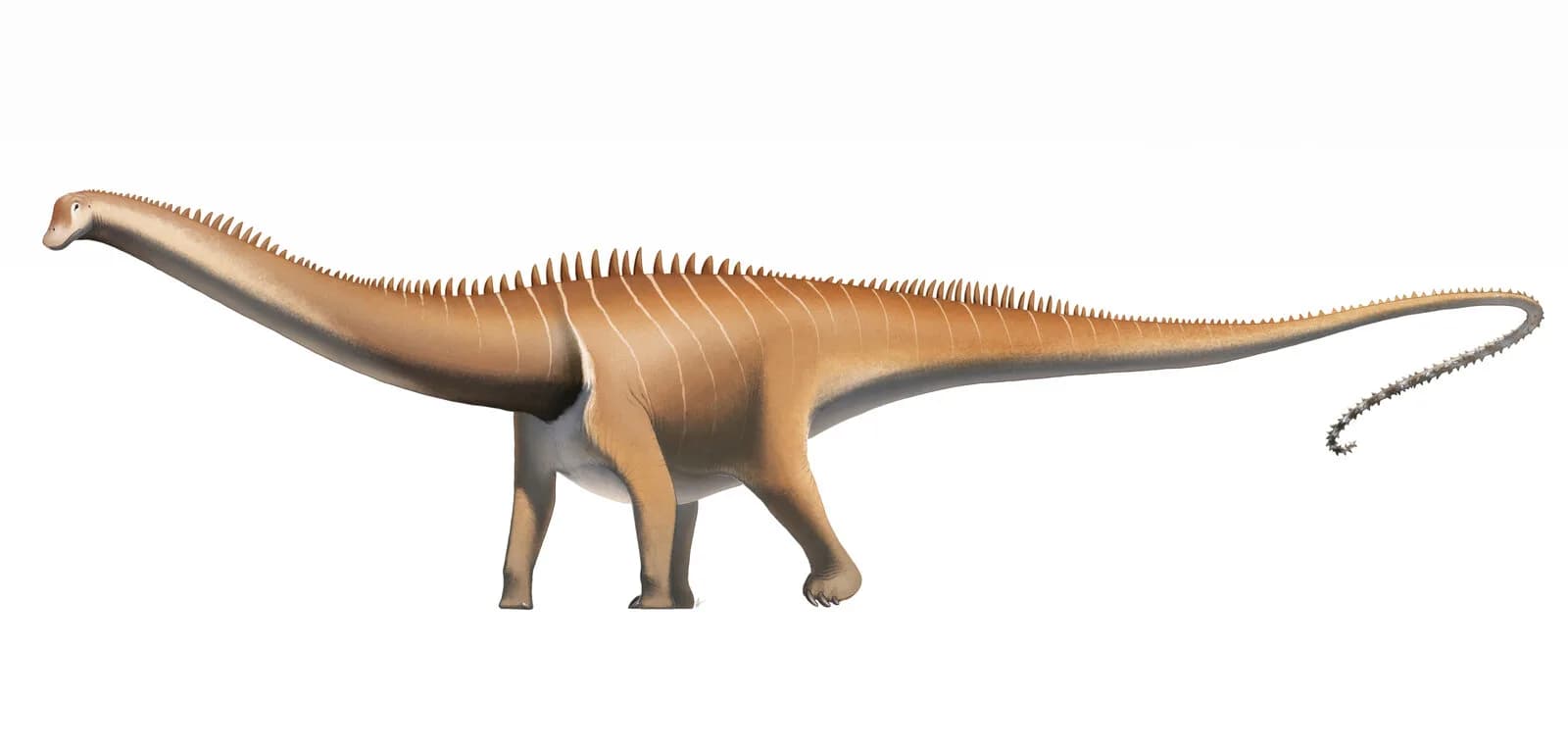
Patagotitan is considered one of the largest and heaviest terrestrial animals ever to have existed. The most recent estimates place it at approximately 31 to 37 meters long with a staggering weight of 55 to 77 tonnes. Its femur alone measured 2.38 meters long. For scale, this animal weighed as much as a Boeing 737. Its neck must have measured about 12 meters long, and its tail over 15 meters. Standing, it could reach the height of a six-story building when stretching its neck upward.
Patagotitan was a colossal herbivore whose energy needs were staggering. It had to consume the equivalent of several hundred kilograms of vegetation per day to maintain its enormous body mass. Its diet consisted primarily of conifer foliage (araucarias, podocarpaceae), tree ferns, and other Cretaceous plants that were abundant in its Patagonian habitat. Like other titanosaur sauropods, it swallowed its food without chewing, relying on a massive digestive system and prolonged gastric fermentation to extract nutrients from the tough plant material. Gastroliths possibly aided in mechanical digestion within its enormous gut.
Patagotitan inhabited the alluvial plains of the Cerro Barcino Formation in Chubut Province, Argentine Patagonia. This environment was characterized by seasonal rivers, conifer woodland areas, and a temperate climate that supported the rich vegetation necessary to sustain such enormous animals. The discovery of six individuals at the same site suggests these giants lived in groups, probably attracted to areas of particularly abundant vegetation and water sources. The ecosystem also included other smaller sauropods and theropods, though no known predator of the era seems to have been capable of threatening an adult Patagotitan.
Patagotitan's anatomy is typical of lithostrotian titanosaurs, with extreme adaptations for supporting colossal weight. Its dorsal vertebrae possessed highly developed pneumatic cavities (pleurocoels) that lightened the skeleton while maintaining structural strength, a crucial adaptation at this enormous scale. Its humerus measured 1.68 meters long, and its limb bones were massive and columnar, like architectural pillars designed to bear tens of tonnes. Its pelvis was wide and robust, firmly anchored to the vertebral column by fused sacral vertebrae. Its anterior caudal vertebrae were procoelous (concave at the front), a characteristic trait of advanced titanosaurs.
Patagotitan probably lived in small herds or family groups, as suggested by the discovery of six individuals at the same fossil site. Its adult size rendered it virtually invulnerable to predation. Like other titanosaurs, it laid eggs relatively small compared to its adult size, which females deposited in ground-dug nests. Juvenile growth must have been rapid to minimize vulnerability to predators during the early years. Herds moved slowly between grazing areas, their passage transforming the landscape like a force of nature.
The first Patagotitan fossils were discovered in 2012 by a farm worker named Aurelio Hernandez on the Mayo family property in Chubut Province, Argentina. Excavations by the Museo Paleontológico Egidio Feruglio (MEF), led by José Luis Carballido and Diego Pol, revealed the remains of six individuals, totaling over 200 bones — an unprecedented paleontological treasure. The species was described in 2017 as Patagotitan mayorum, the genus name combining 'Patago' (Patagonia) and 'titan' (giant), while the species name honors the Mayo family. A cast of the skeleton is displayed at the American Museum of Natural History in New York, so large it extends beyond the doors of the exhibition hall.
| Period | Crétacé inférieur-moyen / Early-Middle Cretaceous (Albien–Cénomanien) |
| Era | Mésozoïque / Mesozoic |
| Age | 101–98 Ma |
| Location | Amérique du Sud / South America (Argentine / Argentina, Chubut) |
| Length | 31–37 m |
| Height | ~6 m |
| Weight | 55 000–77 000 kg |
| Diet | Herbivore |
| Discovery | 2010 |
Patagotitan mayorum is estimated between 55,000 and 77,000 kg with a length of 31 to 37 meters. Its femur alone measured 2.38 meters. Described in 2017 by Carballido et al. (Proceedings of the Royal Society B), it rivals Argentinosaurus for the title of heaviest land animal, but Patagotitan data is based on six individuals, making it better documented.
In 2012, a farm worker, Aurelio Hernandez, noticed a giant bone protruding from the ground on the Mayo family property in Chubut, Argentina. Excavations by the Museo Paleontológico Egidio Feruglio (MEF) revealed six individuals and over 200 bones. The species was described in 2017 as Patagotitan mayorum — the species name honoring the Mayo family.
An adult Patagotitan mayorum, weighing up to 77 tonnes, probably had no natural predator capable of threatening it. Even the large theropods contemporary with the Cerro Barcino Formation remained well below the size needed to attack an adult. Juveniles were, however, vulnerable to the carcharodontosaurids present in Cenomanian Patagonia.
Information on this page is based on peer-reviewed scientific publications.
Life reconstruction of Patagotitan mayorum
PaleoEquii, CC BY-SA 4.0, via Wikimedia Commons
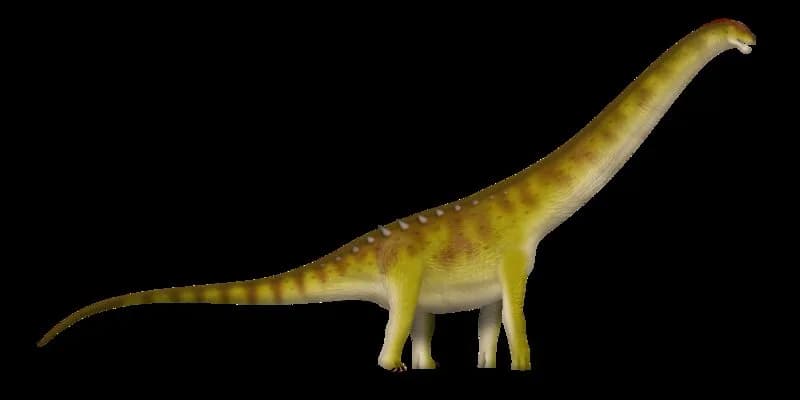
Patagotitan mayorum reconstruction
UnexpectedDinoLesson, CC BY 4.0