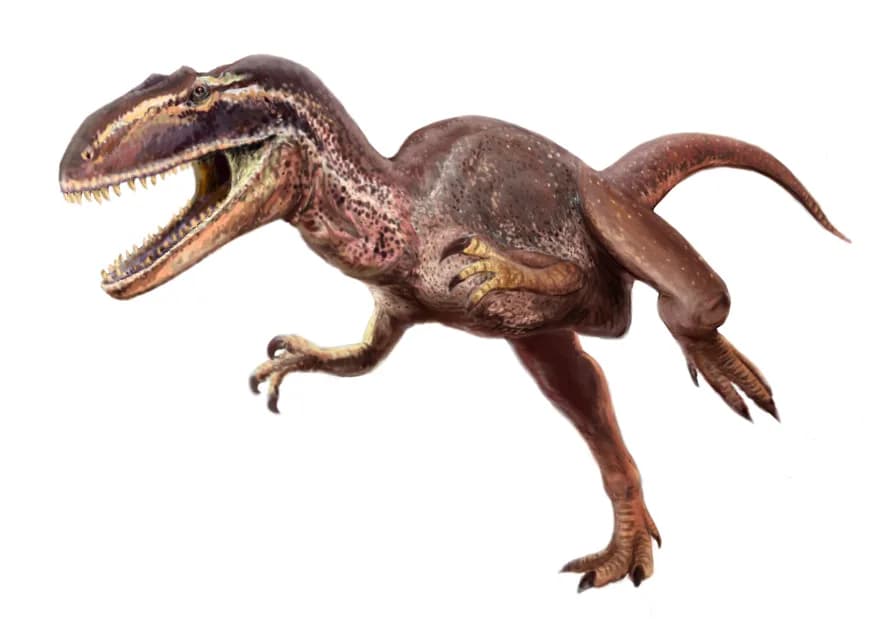
Metriacanthosaurus
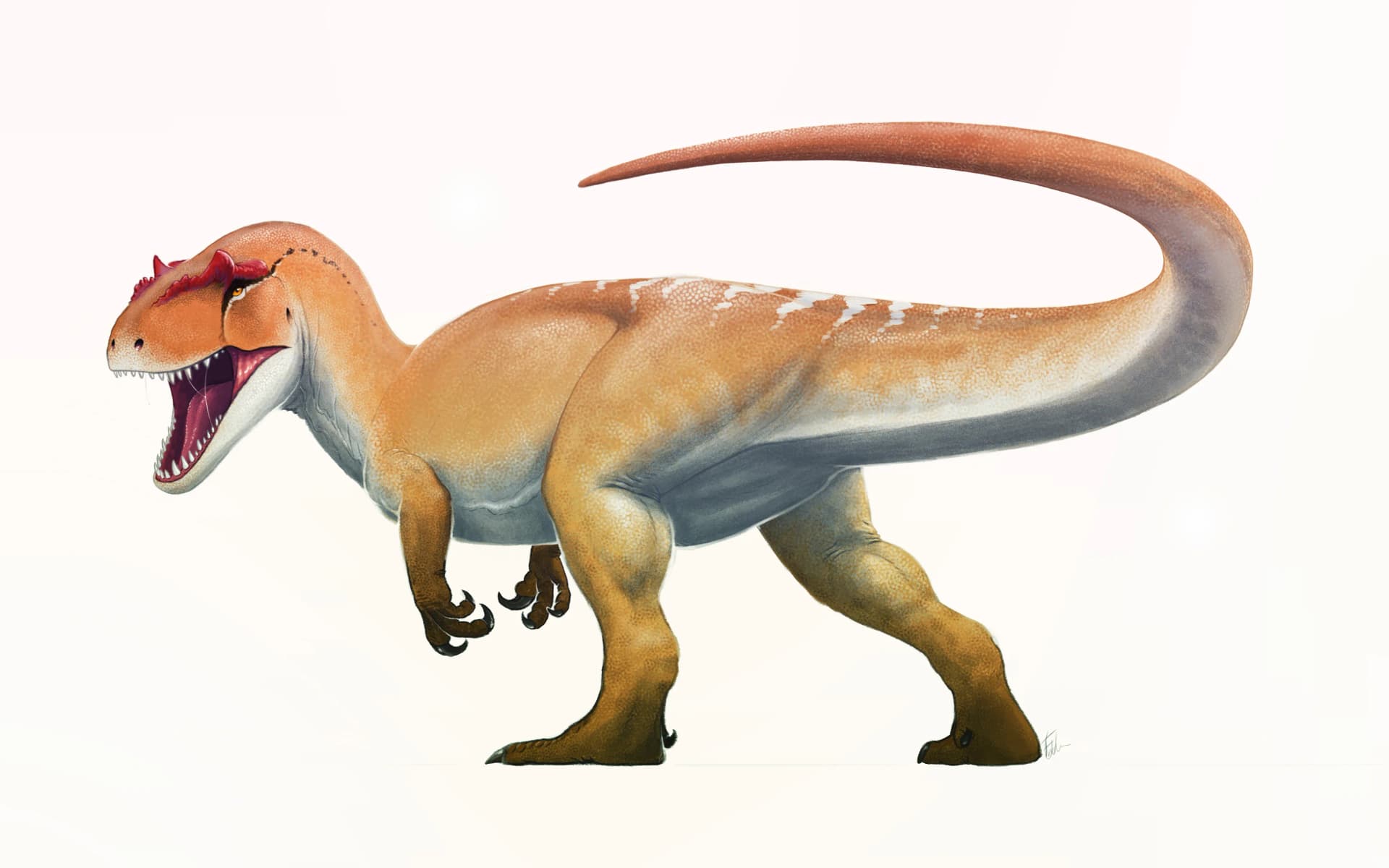
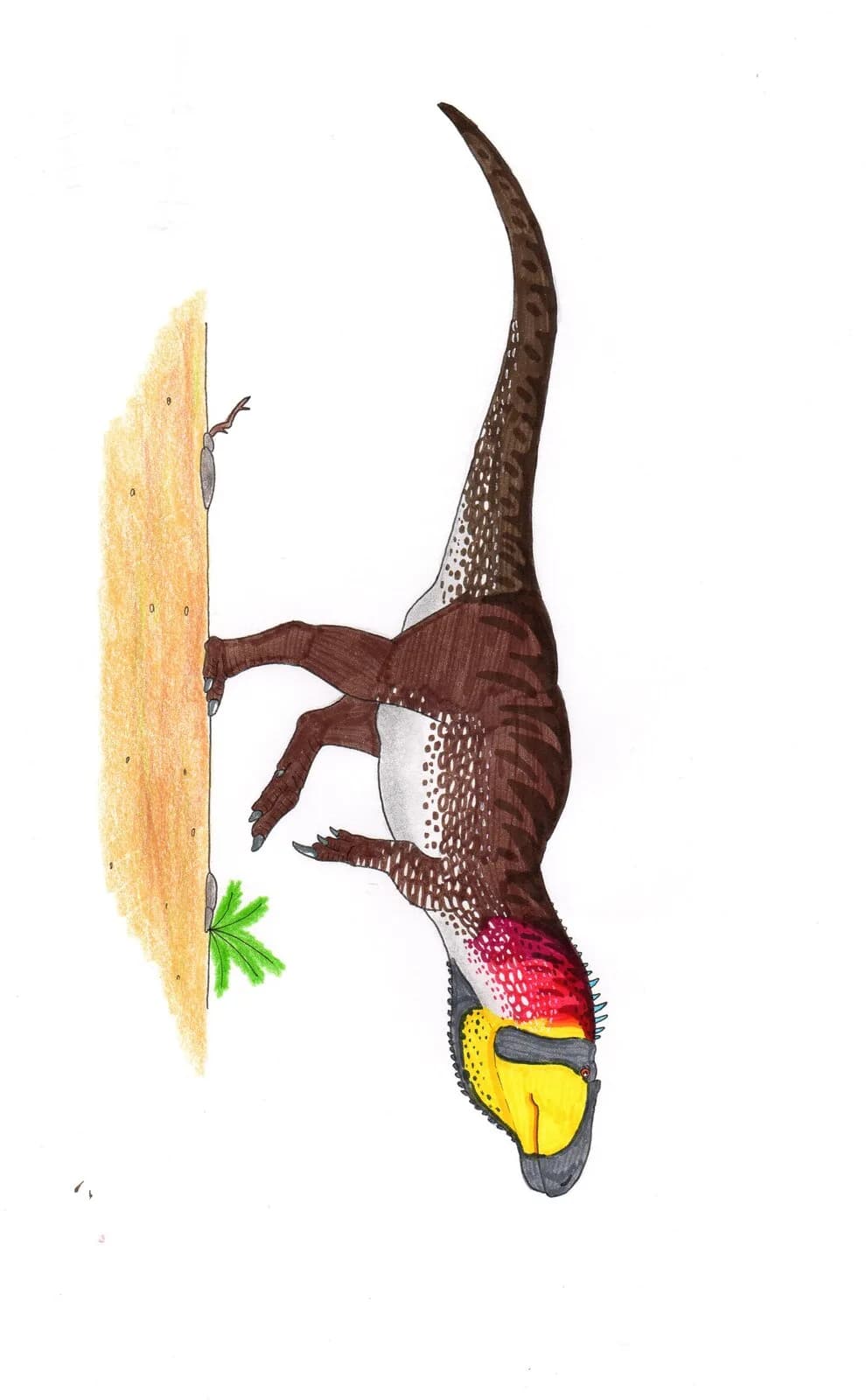
Metriacanthosaurus parkeri is a theropod 8 metres long and around a tonne, described in 1923 from fossils near Oxford, England, and dated to 160 million years ago. Its name means « moderately spined lizard », after the processes on its back vertebrae. Jurassic Park fans will know it: its label appears on the laboratory embryos in the 1993 film.
Playable in Path of Titans
See Metriacanthosaurus parkeri's stats, abilities and role on our survival server.
Metriacanthosaurus lived during the Late Jurassic period, approximately 160 million years ago, during the Oxfordian stage. This medium-to-large theropod inhabited the regions that now constitute southern England. At this time, Europe was an archipelago of islands bathed by warm, shallow seas, offering a subtropical climate conducive to rich biodiversity. The Oxford Clay Formation, where its fossils were discovered, reveals a coastal environment dominated by marine waters teeming with life. Metriacanthosaurus shared its ecosystem with numerous marine reptiles, sauropods, and other theropods of the European Jurassic period.
Metriacanthosaurus was a medium-to-large theropod, reaching approximately 8 meters in length with an estimated weight of about 1 ton. Its stature placed it among the dominant predators of its English Jurassic ecosystem. Its skull, although only partially known, likely measured around 60 to 70 centimeters, typical of large carnivorous theropods of the era. The hindlimbs were robust and muscular, adapted for bipedal locomotion and prey pursuit. Its long and powerful tail served as a counterbalance during movement. Compared to later Cretaceous theropod giants like Tyrannosaurus, Metriacanthosaurus was more modest in size but nevertheless represented a formidable predator within its environment.
A carnivore and dominant predator of its ecosystem, Metriacanthosaurus likely fed on juvenile sauropods, ornithopods, and other medium-sized herbivores present in Late Jurassic England. Its sharp, curved teeth, typical of carnivorous theropods, were designed for slicing flesh and maintaining a firm grip on moving prey. As the apex predator of its environment, it occupied the top of the food chain in the coastal ecosystems of Jurassic England. It likely practiced both active hunting and opportunistic scavenging, as did many large theropods. The available prey in the Oxford Clay Formation included a variety of terrestrial herbivores that frequented the coastal areas and surrounding plains.
Metriacanthosaurus inhabited the coastal regions of Late Jurassic England, in an environment characterized by warm, shallow seas interspersed with islands and low-lying land areas. The Oxford Clay Formation, famous for its abundant marine fossils, reveals a landscape dominated by lagoons, estuaries, and coastal plains bordered by conifer forests and tree ferns. The subtropical climate of the period supported lush vegetation that sustained vast herbivore populations, thus providing an abundant food base for large predators. The surrounding waters harbored plesiosaurs, ichthyosaurs, and marine crocodilians, creating a rich and diverse ecosystem. This region of Jurassic England offered an ideal habitat for a large terrestrial theropod.
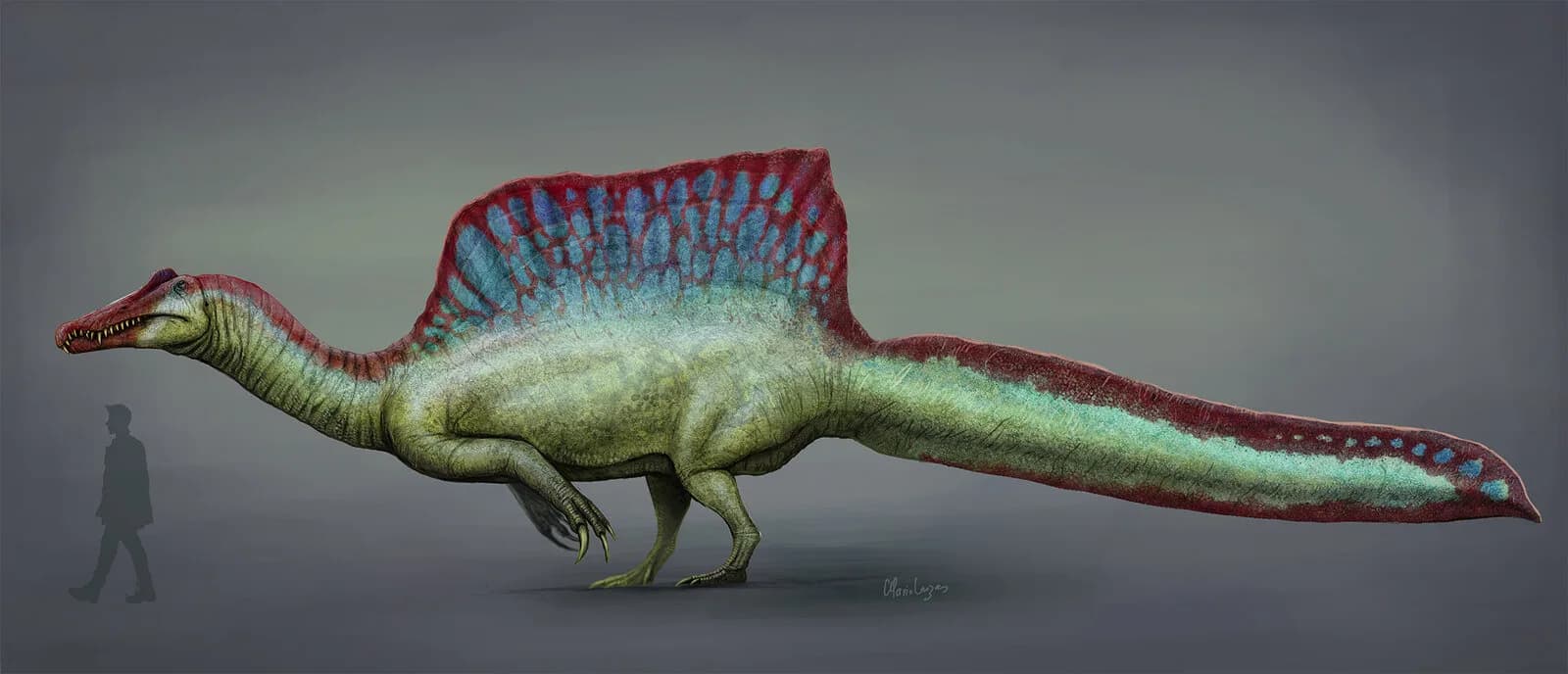
The name Metriacanthosaurus, meaning 'moderately spined lizard,' directly references this dinosaur's most distinctive anatomical feature: its moderately tall neural spines on the dorsal vertebrae. These bony extensions, taller than those of typical theropods but less spectacular than those of Spinosaurus, may have supported a muscular crest or soft tissue structure along the back. Its general morphology was that of a classic large bipedal theropod, with a relatively elongated skull, short forelimbs equipped with sharp claws, and powerful hindlimbs adapted for running. The reinforced vertebral structure suggests a particularly muscular back, possibly useful during the capture and restraining of large prey.
As the apex predator of Late Jurassic England, Metriacanthosaurus must have been an active and formidable hunter, capable of tracking and bringing down prey of considerable size. Its robust morphology and powerful hindlimbs suggest it could reach respectable speeds during short pursuits, although precise estimates remain difficult in the absence of a complete skeleton. The moderately tall neural spines may have played a role in intraspecific visual communication, serving to intimidate rivals or attract mates during the breeding season. Like most large theropods, it was probably a solitary hunter or operated in small family groups, patrolling an extensive territory along the coasts and plains of Jurassic England. Its predatory behavior likely combined ambush tactics and active pursuits depending on the opportunities available.
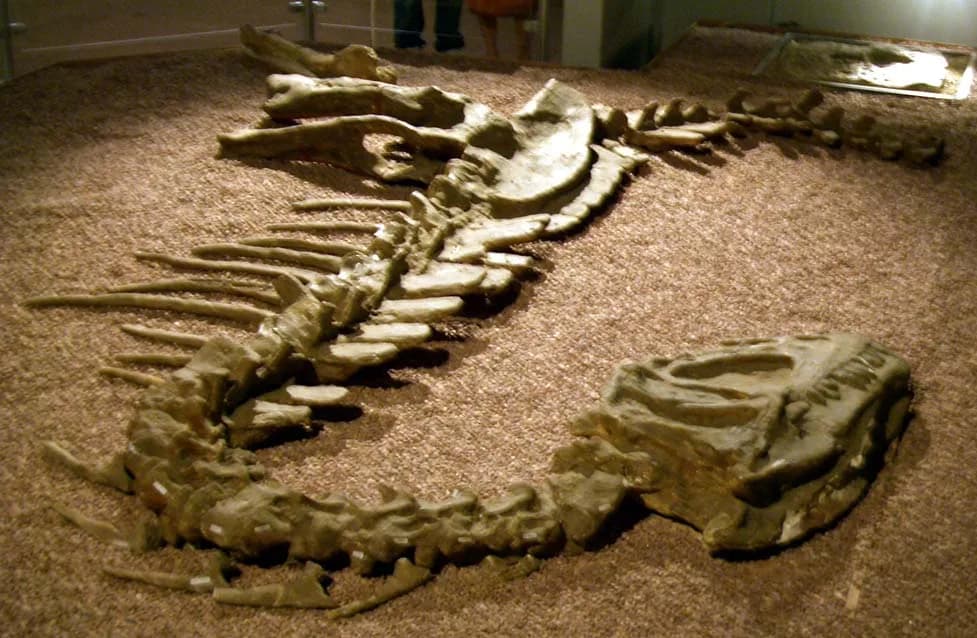
The first remains of Metriacanthosaurus were discovered in 1923 in the Oxford Clay Formation, near Oxford in England, but the species was not officially named and described until 1964 by paleontologist Alick Walker. The fossil material includes a partial femur, dorsal vertebrae with their characteristic neural spines, and some pelvic elements. Unfortunately, no complete skull has been discovered, limiting our understanding of its cranial morphology. Initially attributed to the genus Megalosaurus, these fossils were reclassified into a distinct genus due to the moderate height of their neural spines. Metriacanthosaurus became famous with the general public thanks to the 1993 film Jurassic Park, where its name appears on the embryo labels in the laboratory storage room, a subtle nod by Steven Spielberg to lesser-known dinosaurs.
| Period | Jurassique supérieur / Late Jurassic |
| Era | Mésozoïque / Mesozoic |
| Age | 160 Ma |
| Location | Oxford, Angleterre / Oxford, England |
| Length | 8 m |
| Height | ~2.5 m |
| Weight | ~1 tonne |
| Diet | Carnivore |
| Discovery | 1923 |
Metriacanthosaurus parkeri is distinguished by its moderately tall neural spines on the dorsal vertebrae — taller than those of a standard theropod, but far less spectacular than those of Spinosaurus. These structures may have supported a muscular crest or soft-tissue hump, useful for visual communication or energy storage. This anatomical feature is what led to its separation from the genus Megalosaurus in 1964.
Metriacanthosaurus parkeri never appears on screen in Steven Spielberg's 1993 film Jurassic Park. Its name appears discreetly on the embryo labels in the laboratory cryogenic storage room, alongside Tyrannosaurus rex and Stegosaurus. This Spielberg nod to lesser-known dinosaurs considerably boosted the notoriety of this English Jurassic theropod discovered in 1923 in the Oxford Clay Formation.
Metriacanthosaurus parkeri, apex predator of the Oxfordian (~160 Ma) of present-day England, likely targeted juvenile sauropods and medium-sized ornithopods available on the Tethys Sea coastal plains. Its blade-shaped teeth with pronounced serrations, typical of metriacanthosaurids, were adapted for slicing flesh and inflicting deep wounds. Its estimated size of 8 meters and ~1 tonne made it the largest theropod in its island ecosystem.
Metriacanthosaurus illustration
Wikimedia Commons
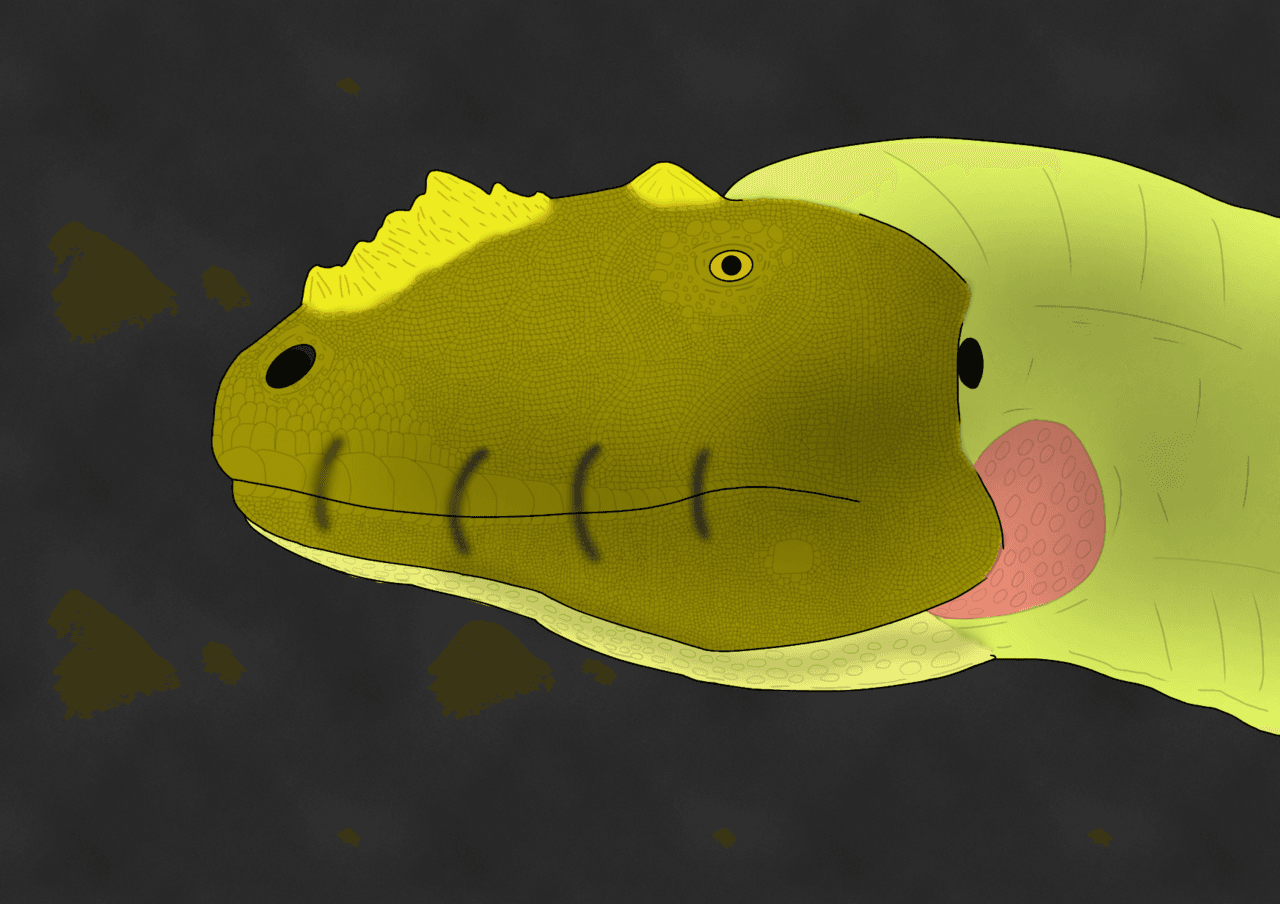
Metriacanthosaurus parkeri life restoration
Wikimedia Commons