Grand voleur
Megaraptor namunhuaiquii long passed for a giant dromaeosaurid because of a 35-centimetre claw. It took years to establish that the claw belonged to the hand, not the foot. Hence the irony of its Mapuche name, namunhuaiquii, « spear foot ». This carnivore, 8 metres and about a tonne, hunted Patagonia 84 million years ago.
Megaraptor lived during the Late Cretaceous period, approximately 84 million years ago, during the Santonian stage. It roamed the lands of present-day Patagonia in Argentina, at a time when South America was still largely isolated from other continents. The climate during this period was warm and humid, promoting the development of lush ecosystems dominated by conifers, tree ferns, and the earliest flowering plants. Megaraptor shared its environment with massive titanosaur sauropods, herbivorous ornithopods, and other theropods of various sizes. This Late Cretaceous period in South America is particularly rich in paleontological discoveries, revealing a striking endemic fauna that evolved independently from that of northern continents.
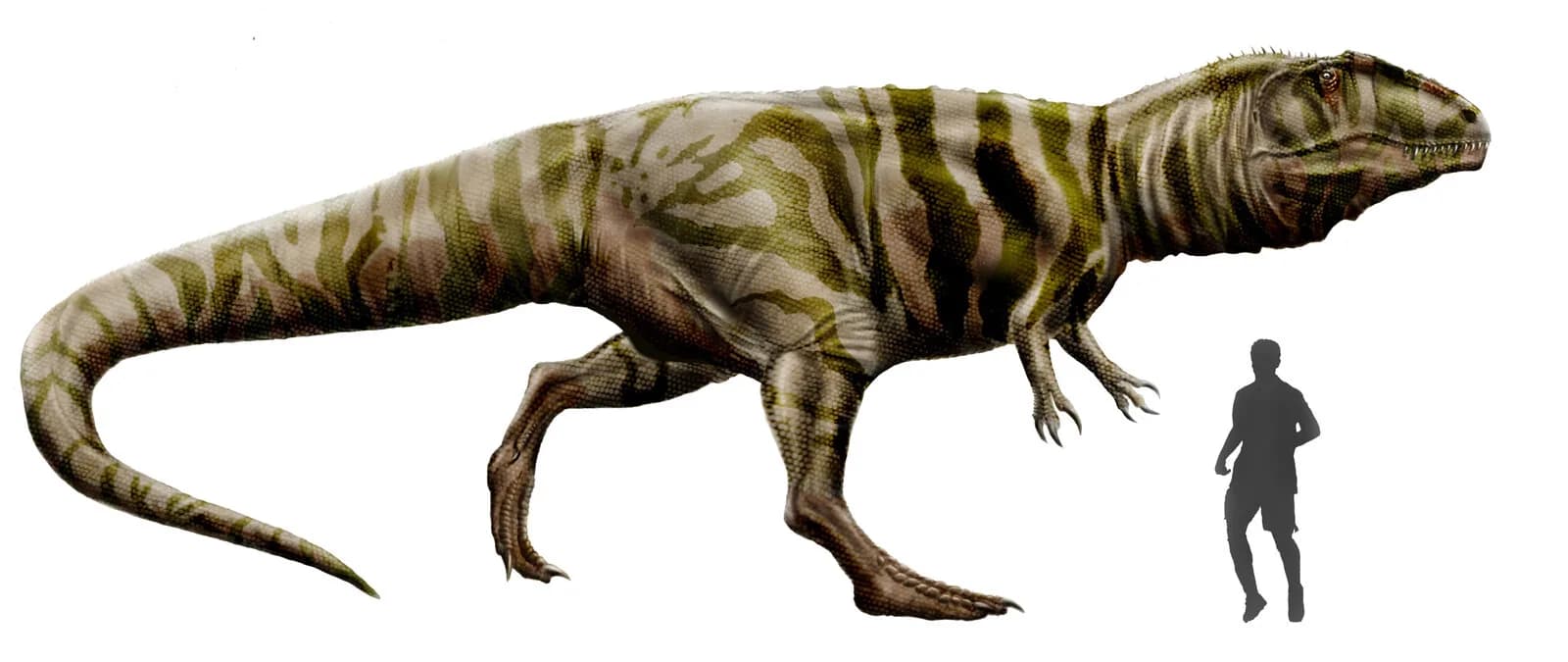
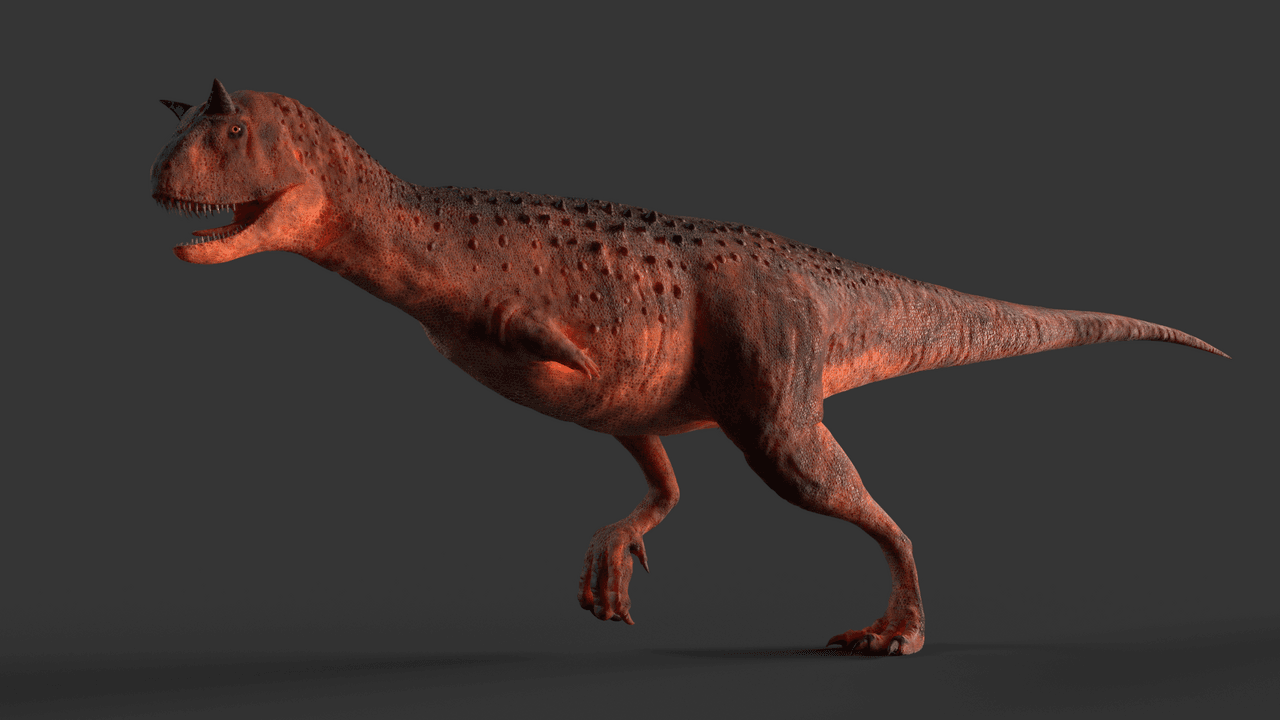
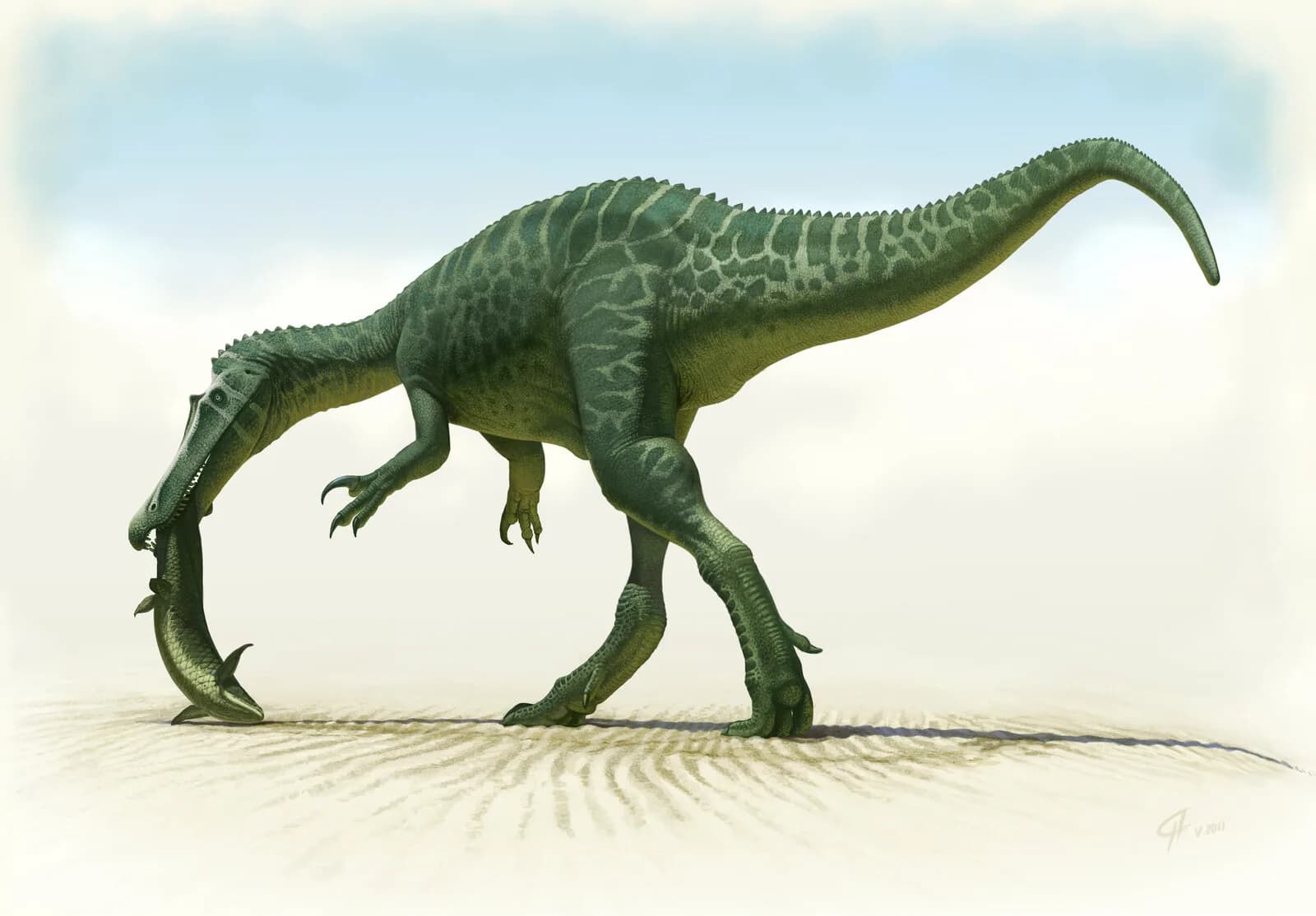
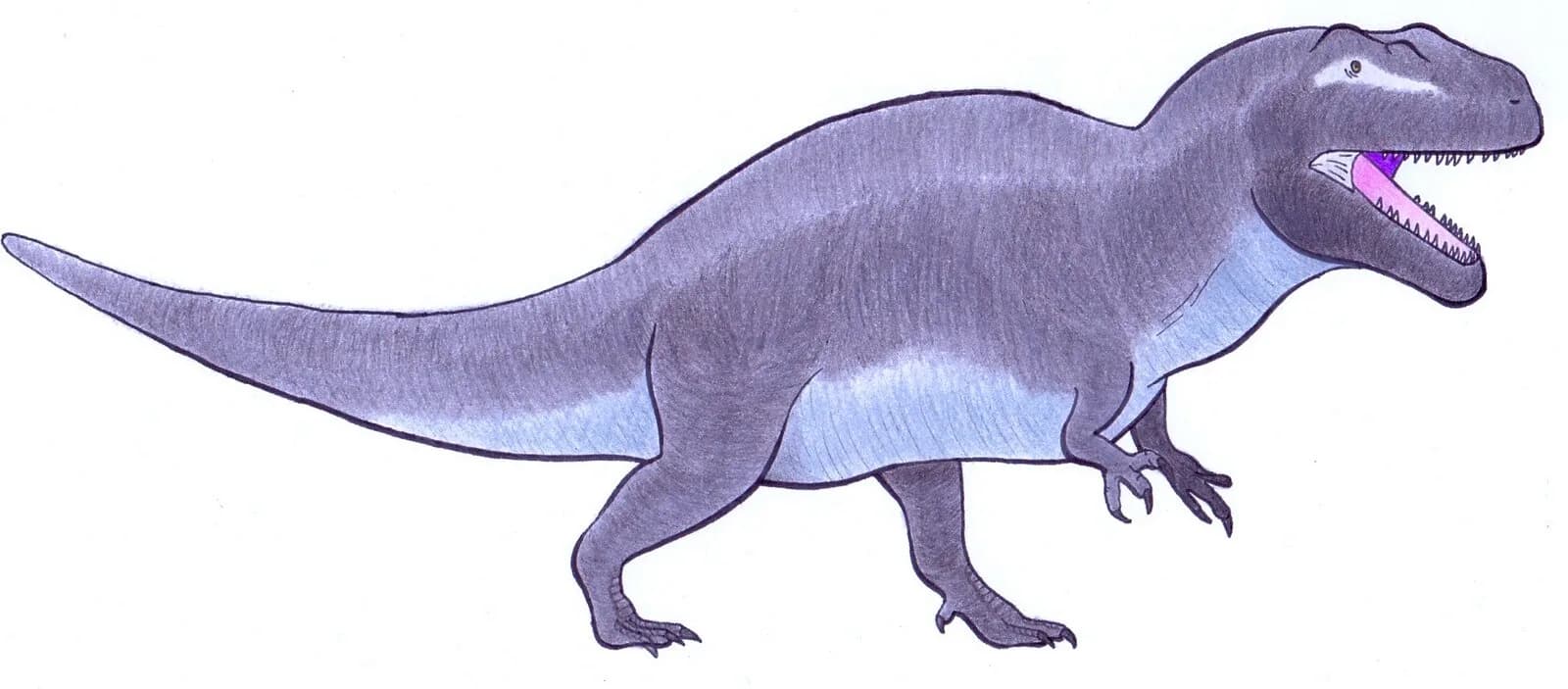
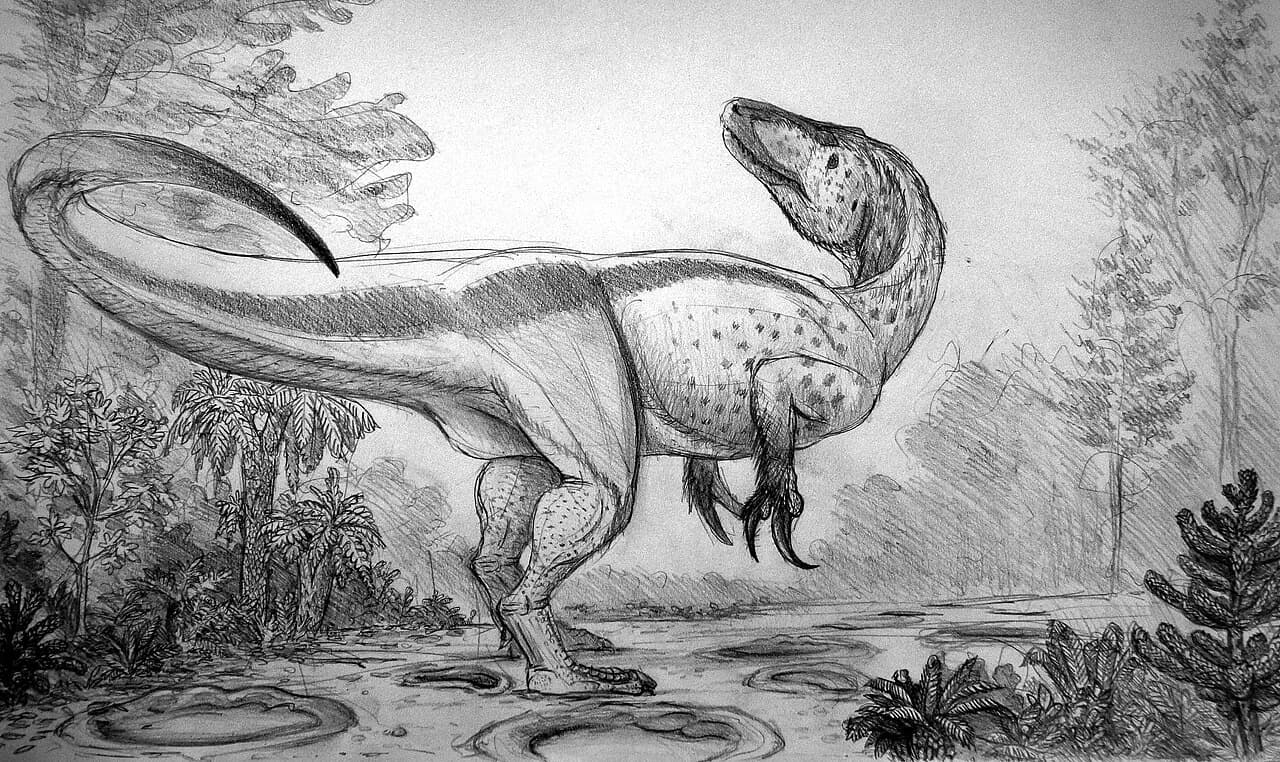
Megaraptor namunhuaiquii was an imposing theropod measuring approximately 8 meters in length, with an estimated height of 3 meters at the hips and a weight of roughly 1 to 1.5 tons. Its most striking feature was a massive 35-centimeter claw on each hand, initially mistaken for a foot claw similar to those of dromaeosaurids. The forelimbs were remarkably long and powerful for a theropod of this size, making Megaraptor a predator with a sleek and athletic silhouette. The skull, though less well known than those of other large theropods, was elongated and relatively narrow, equipped with sharp teeth adapted for active predation. Its overall morphology suggests an agile animal despite its considerable size.
An active carnivore and formidable predator, Megaraptor likely hunted a wide variety of prey in the Patagonian ecosystems of the Late Cretaceous. Its giant 35-centimeter hand claws were devastating weapons, capable of inflicting deep and lethal wounds on its prey. Unlike tyrannosaurs that relied on a crushing bite, Megaraptor primarily used its powerful, clawed forelimbs to seize and slash its victims. Potential prey included medium-sized ornithopods, young titanosaur sauropods, and possibly other smaller animals depending on opportunity. The morphology of its teeth, relatively thin and sharp, reinforced this predation strategy based on speed and precision rather than raw jaw force.
Megaraptor inhabited the floodplains and forests of Patagonia, in the region of Neuquén province in Argentina. The Late Cretaceous environment in this area was characterized by a complex network of rivers, lakes, and floodplains, surrounded by dense forests composed primarily of araucarian conifers, giant ferns, and primitive angiosperms. The Portezuelo Formation, where the holotype specimen was discovered, represents an ancient fluvial system rich in sedimentary deposits containing diverse fauna. The subtropical climate allowed for high biological productivity, supporting a complex food chain. This Patagonian ecosystem harbored a unique faunal community, distinct from that of northern continents.
The anatomy of Megaraptor reveals a highly specialized theropod that long puzzled paleontologists. During its initial discovery in 1996, the giant 35-centimeter claw was interpreted as a foot claw, leading to an erroneous classification among giant dromaeosaurids. Subsequent discoveries revealed that this claw actually belonged to the hand, radically transforming our understanding of this animal. Megaraptor's forelimbs were proportionally very long and muscular, armed with three digits of which the first bore the enormous sickle-shaped claw. The skull was elongated with a narrow snout, equipped with laterally compressed teeth ideal for slicing flesh. The hindlimbs were robust and elongated, suggesting good running ability. The long, rigid tail served as a counterbalance during rapid movements and attacks.
Megaraptor's behavior is reconstructed primarily from its functional anatomy and comparisons with its megaraptorid relatives. Its morphology as an agile predator armed with massive claws suggests an active hunting strategy, probably solitary or in very small groups. The long, clawed forelimbs were likely the primary weapon during attacks, allowing it to grasp and hold prey while inflicting deep wounds with the sickle-shaped claws. The combination of speed and manual armament made Megaraptor a particularly versatile predator, capable of attacking prey of various sizes. Biomechanical studies suggest it could reach considerable speeds thanks to its long hindlimbs, allowing it to pursue agile prey over short distances. Its excellent eyesight, inferred from the size of its orbits, completed its hunter's arsenal.
Megaraptor namunhuaiquii was discovered in 1996 by Argentine paleontologist Fernando Novas in the Portezuelo Formation, Neuquén province, Patagonia, Argentina. The holotype specimen primarily comprised a giant 35-centimeter hand claw that was initially interpreted as a pedal claw, leading Novas to classify the animal among giant dromaeosaurids in his original 1998 description. The name 'Megaraptor' means 'giant thief,' while 'namunhuaiquii' comes from the Mapuche language and means 'lance foot.' It was only with the discovery of more complete specimens of related megaraptorids, notably Australovenator in Australia and Murusraptor in Argentina, that the true nature of Megaraptor was understood: a member of a distinct family of theropods more closely related to tyrannosaurs than to dromaeosaurids. The fossils are housed at the Museo de Geología y Paleontología of the Universidad Nacional del Comahue. Additional fragments attributed to Megaraptor or closely related megaraptorids have since been discovered at several localities across Patagonia.
| Period | Crétacé supérieur / Late Cretaceous |
| Era | Mésozoïque / Mesozoic |
| Age | 84 Ma |
| Location | Neuquén, Patagonie, Argentine / Neuquén, Patagonia, Argentina |
| Length | 8 m |
| Height | ~3 m |
| Weight | ~1 tonne |
| Diet | Carnivore |
| Discovery | 1996 |
When Megaraptor namunhuaiquii was discovered in 1996 by Fernando Novas in Patagonia, the isolated 35-centimeter claw was compared to the sickle-shaped pedal claws of giant dromaeosaurids. This misinterpretation led to classifying the animal among 'super-raptors.' Only with the discovery of Australovenator (Australia) and Murusraptor (Argentina) was the claw's hand attribution established, revealing a distinct megaraptorid family.
Megaraptor namunhuaiquii measured approximately 8 meters in length with a hip height of 3 meters and a weight of roughly 1 to 1.5 tonnes. This megaraptorid lived during the Late Cretaceous (Santonian, ~84 Ma) in the Portezuelo Formation, Neuquén Province, Patagonia, Argentina. Its Mapuche name 'namunhuaiquii' means 'lance foot,' an ironic reference to the claw that was first attributed to the foot.
Despite its evocative name, Megaraptor namunhuaiquii belongs to the Megaraptoridae, a family now considered closer to tyrannosaurs (Tyrannosauroidea) than to dromaeosaurids (raptors). Phylogenetic analysis of its highly developed forelimbs and elongated skull supports this placement. This kinship with tyrannosaurs is surprising, since Megaraptor relied on powerful arms where tyrannosaurs had regressed forelimbs.
Megaraptor namunhuaiquii life reconstruction
Wikimedia Commons
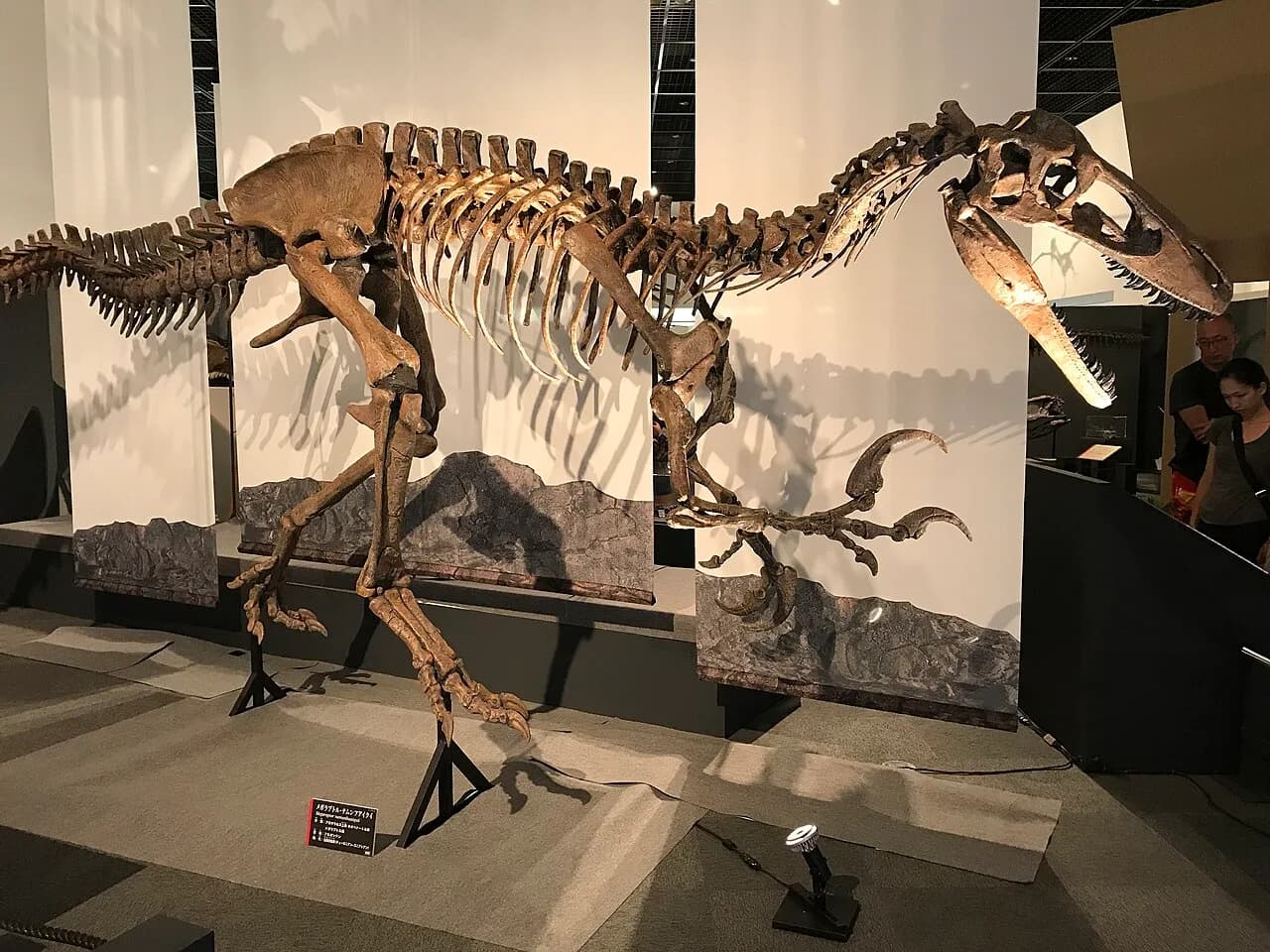
Megaraptor skeleton mount
Wikimedia Commons