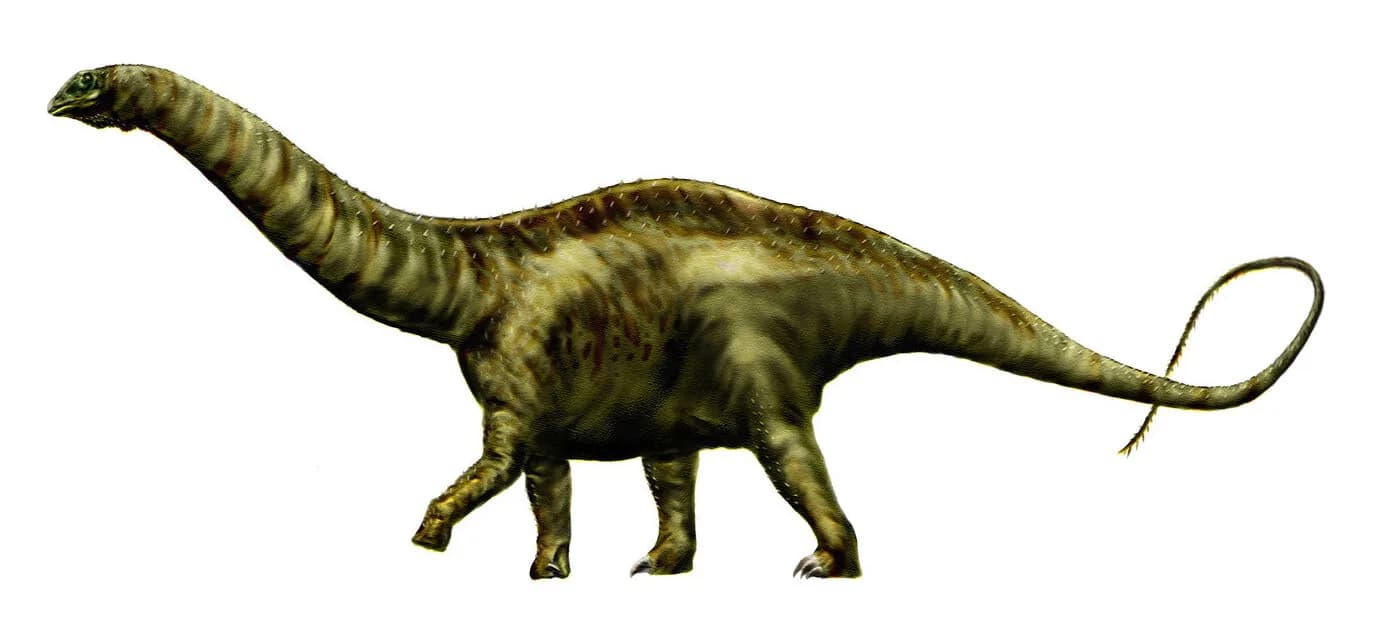
Apatosaure
Apatosaurus ajax was a diplodocid sauropod of the Late Jurassic, described in 1877 from fossils in Colorado, Utah, Wyoming and Oklahoma. Measuring 21 to 23 metres and weighing 16 to 22 tonnes, it browsed 152 to 151 million years ago. Its whip-like tail could crack at supersonic speed, and its name overshadowed « Brontosaurus » for more than a century.
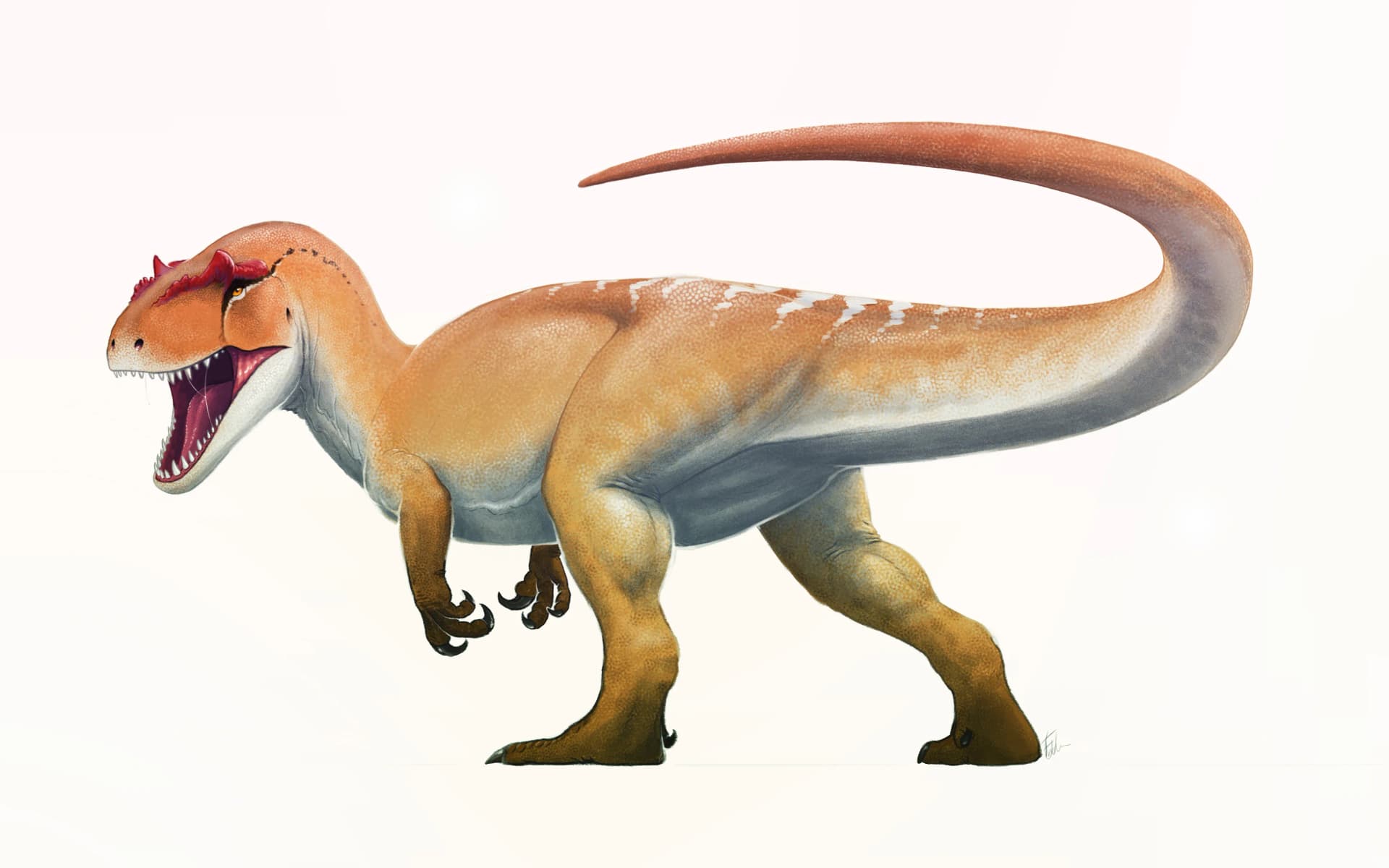
Apatosaurus lived in the Late Jurassic, approximately 152 to 151 million years ago. Long known as 'Brontosaurus,' a century-long taxonomic debate finally concluded in 2015 when an exhaustive phylogenetic study showed sufficient differences to distinguish Brontosaurus as a valid separate genus from Apatosaurus. This nomenclatural saga is one of the most famous in paleontological history. Apatosaurus was part of the rich Morrison Formation fauna, coexisting with Diplodocus, Brachiosaurus, Stegosaurus, and the predator Allosaurus. The Late Jurassic represents the peak of sauropod diversity in North America.
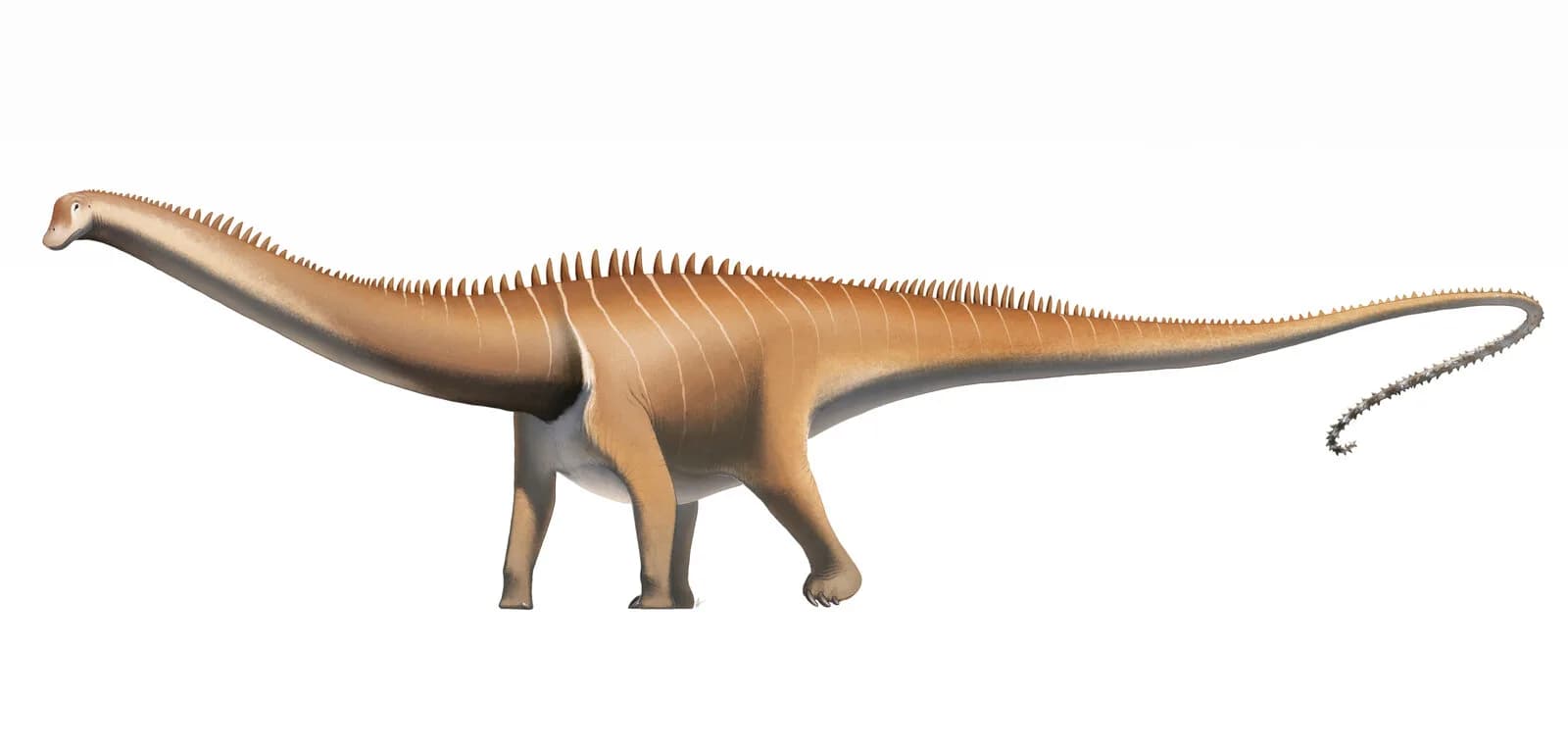
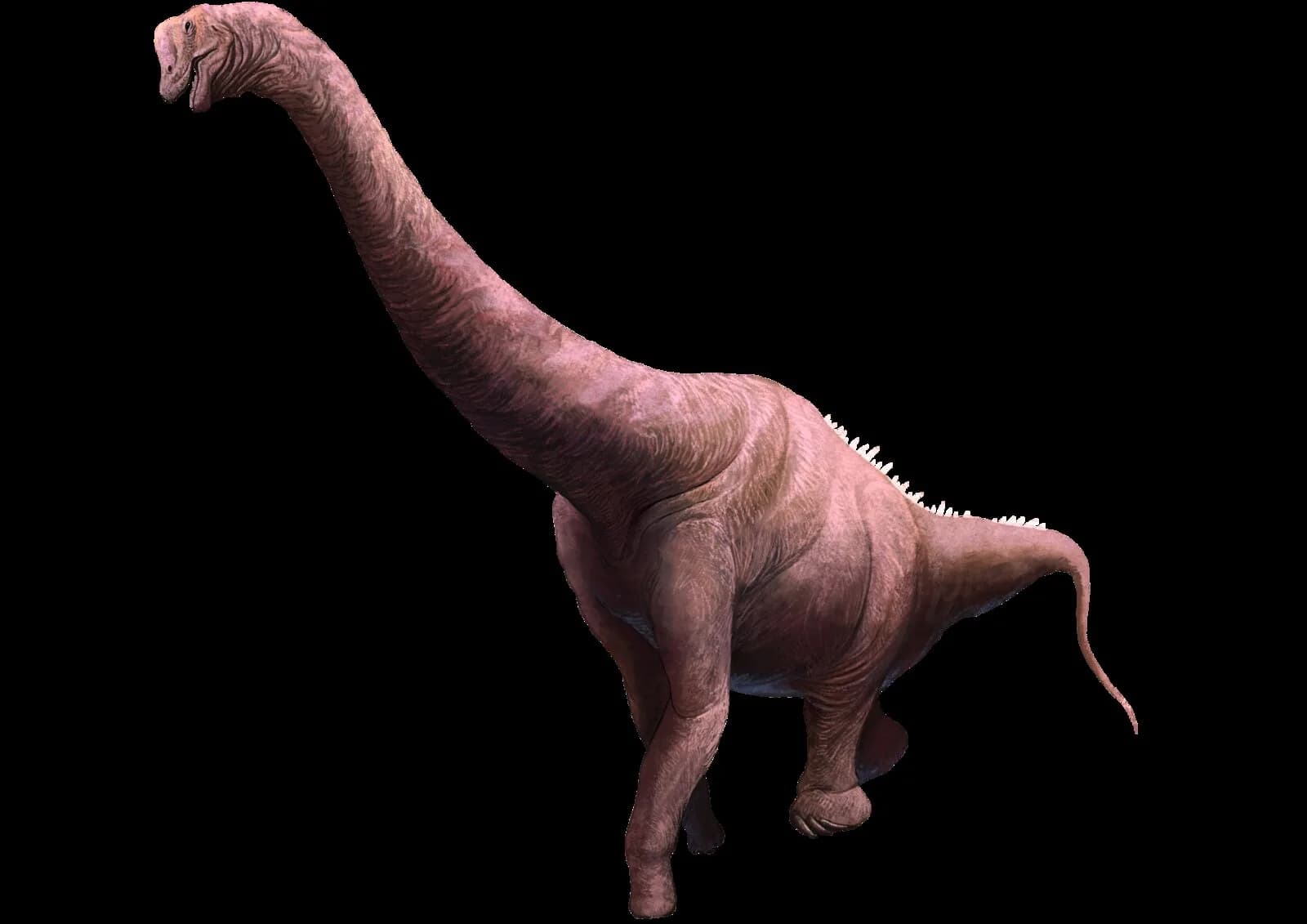
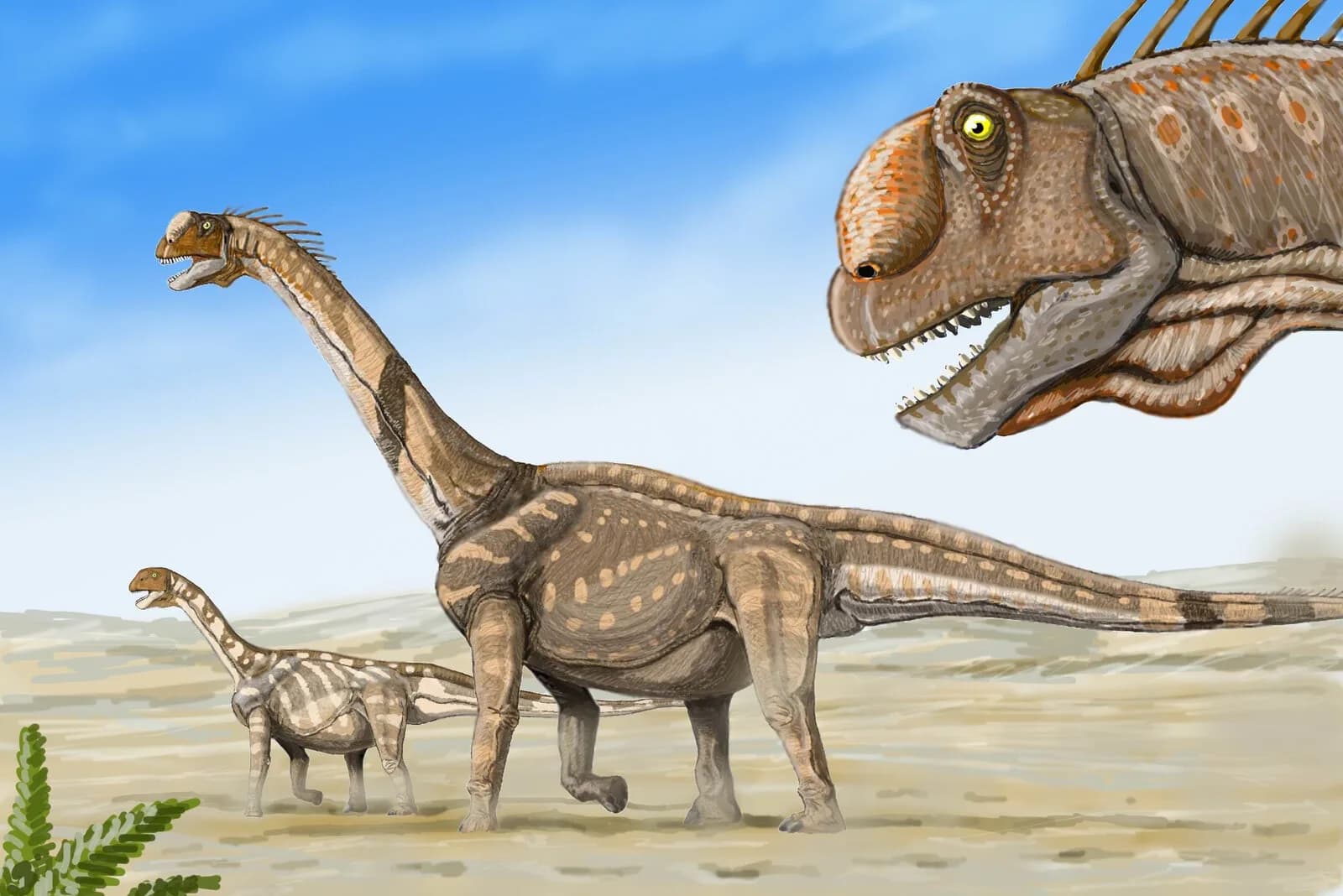
An impressive giant 21 to 23 meters long and weighing 16 to 22 tonnes, Apatosaurus was more robust and massive than Diplodocus despite similar length. Its neck, shorter and thicker than Diplodocus's, was reinforced by very dense and massive cervical vertebrae, giving it a stockier silhouette. Its legs were thick and columnar, like temple pillars, efficiently supporting its considerable weight. Its skull, long confused with that of Camarasaurus, proved to be similar to Diplodocus's — long and narrow with pencil-shaped teeth. The long, tapered tail ended in a thin whip capable of cracking at supersonic speeds.
Herbivorous, Apatosaurus consumed large quantities of low vegetation — ferns, horsetails, and small shrubs. Unlike tall-necked sauropods like Brachiosaurus, it fed primarily at ground level and medium height, sweeping vast areas of vegetation laterally. Dental wear studies suggest it ate close to the ground, sweeping vegetation from side to side using its neck as a pendulum. Its pencil-shaped teeth served to comb leaves from branches rather than grind them. Its daily consumption must have reached several hundred kilograms of plant matter to maintain its imposing body mass. Niche partitioning with Diplodocus and Brachiosaurus allowed these giants to coexist without excessive direct competition.
Apatosaurus lived in the alluvial plains and riparian zones of the Morrison Formation in North America, a habitat shared with Diplodocus, Stegosaurus, and Allosaurus. The Morrison environment was a mix of semi-arid plains and forested corridors along seasonal rivers, with vegetation dominated by ferns, giant horsetails, and araucaria conifers. Apatosaurus fossils have been found in Colorado, Utah, Wyoming, and Oklahoma. Seasonal availability of water and vegetation probably forced herds to migrate between grazing areas. The Morrison ecosystem harbored intense competition among different sauropod species, each specialized for a different vegetation type or feeding height.
Apatosaurus anatomy is distinguished by an exceptionally robust neck, reinforced by additional cervical ribs and more massive vertebrae than other diplodocids. This cervical robustness suggests the neck withstood significant forces, perhaps related to interspecific combat or vigorous feeding techniques. Its long, muscular tail could be cracked like a defensive whip, producing a supersonic sound to deter predators. The dorsal vertebrae were hollow to reduce weight, an adaptation common to sauropods but particularly developed in Apatosaurus. Its wide, padded feet were adapted to support its colossal weight on varied terrain. The extensive pneumatization of its bones, connected to an air sac system similar to birds, considerably reduced its skeletal weight.
Like other diplodocids, Apatosaurus probably used its tail as a defensive weapon, capable of generating supersonic speeds at the tapered tip. Isotopic analyses of its teeth suggest seasonal migrations between humid lowlands and drier highlands. It probably lived in herds of varying sizes, with massive adults providing passive protection to more vulnerable juveniles. Bone growth studies indicate it reached adult size in about 10 years, extremely rapid growth for an animal of this size. Juveniles faced intense predation pressure from Allosaurus and other theropods, favoring rapid growth.
Discovered in 1877 by Othniel Charles Marsh during the famous 'Bone Wars' with Edward Drinker Cope. The 'Brontosaurus vs Apatosaurus' debate divided paleontologists for a century: Marsh had named Apatosaurus in 1877 then Brontosaurus in 1879, and the latter was long considered a synonym of the former. In 2015, an exhaustive phylogenetic study by Tschopp et al. finally concluded that Brontosaurus deserves to be a distinct genus, resurrecting the name 'Brontosaurus' after decades of taxonomic exile. Fossils have been found in Colorado, Utah, Wyoming, and Oklahoma. The most complete specimen is displayed at the Yale Peabody Museum. The story of Apatosaurus illustrates the complexities of dinosaur taxonomy and the importance of constant classification revision.
| Period | Jurassique supérieur / Late Jurassic |
| Era | Mésozoïque / Mesozoic |
| Age | 152–151 Ma |
| Location | Amérique du Nord / North America (Colorado, Utah, Wyoming, Oklahoma) |
| Length | 21–23 m |
| Height | ~4–5 m |
| Weight | 16 000–22 000 kg |
| Diet | Herbivore |
| Discovery | 1877 |
Apatosaurus ajax and Brontosaurus excelsus were long synonymized from 1903 onward. A comprehensive phylogenetic study by Tschopp, Mateus, and Benson published in 2015 concluded that both genera show sufficient anatomical differences to justify their separation. Apatosaurus is more massive and stocky, with a shorter, thicker neck than the more slender Brontosaurus.
Apatosaurus ajax weighed between 16,000 and 22,000 kg — the equivalent of 3 African elephants. A herbivore, it fed mainly on ferns, horsetails, and low shrubs, sweeping vast areas laterally with its neck. Its pencil-shaped teeth combed leaves from branches rather than grinding them, with digestion handled by a voluminous stomach and likely gastroliths.
Biomechanical studies suggest that the long, tapered tail of Apatosaurus ajax could crack at supersonic speeds, generating a sonic boom comparable to a thunderclap. This hypothesis, proposed by Myhrvold and Currie in 1997, remains debated but plausible. The tail also served as a counterbalance to the long neck and as a passive defense against predators like Allosaurus.
Life reconstruction of Apatosaurus louisae
Durbed, CC BY-SA 3.0, via Wikimedia Commons
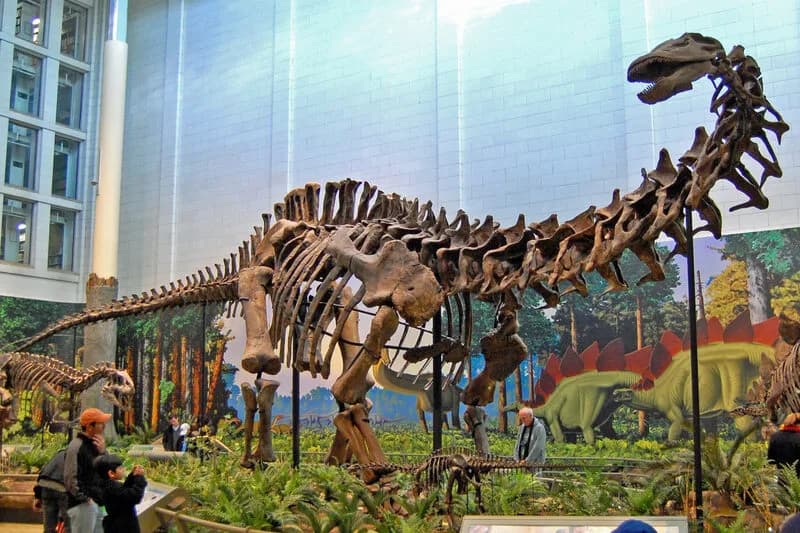
Mounted Apatosaurus louisae skeleton
Tadek Kurpaski, CC BY 2.0