🏆 Top Paléo
Vitesse de pointe estimée par les paléontologues. Du sprinter Carnotaurus aux ornithopodes véloces, voici les champions de course.
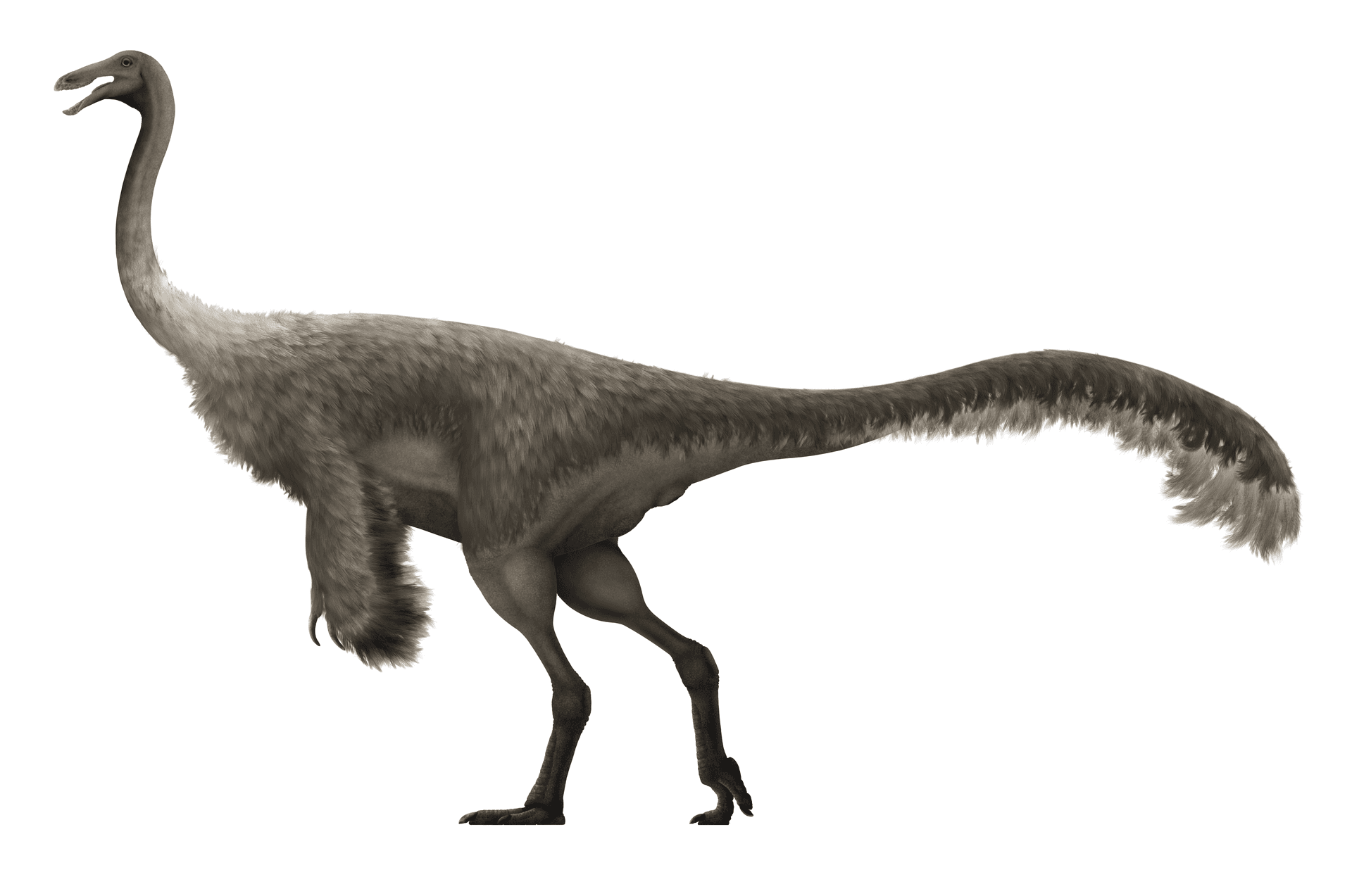
60-70 km/h
L'un des théropodes les plus rapides, jambes fines et longues comme une autruche géante.
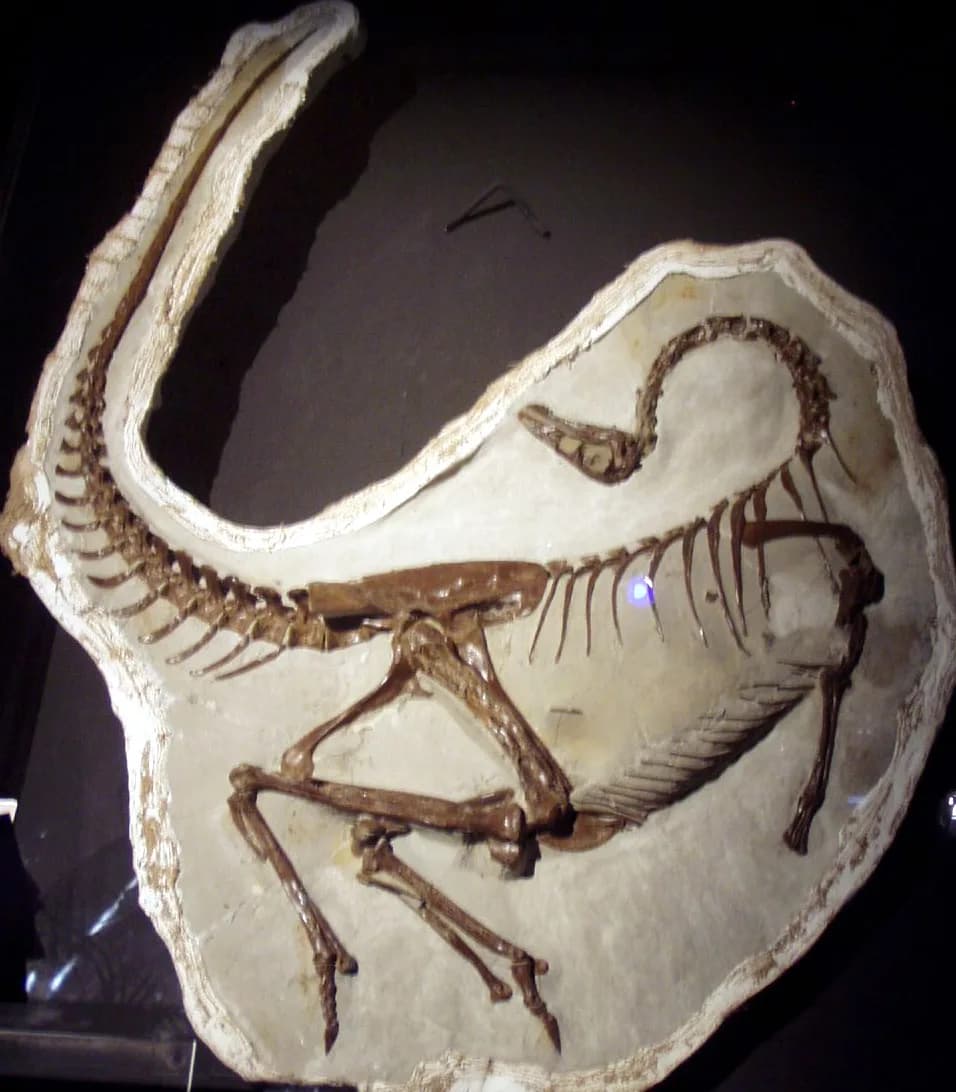
60-70 km/h
Cousin de Gallimimus, anatomie optimisée pour la course.
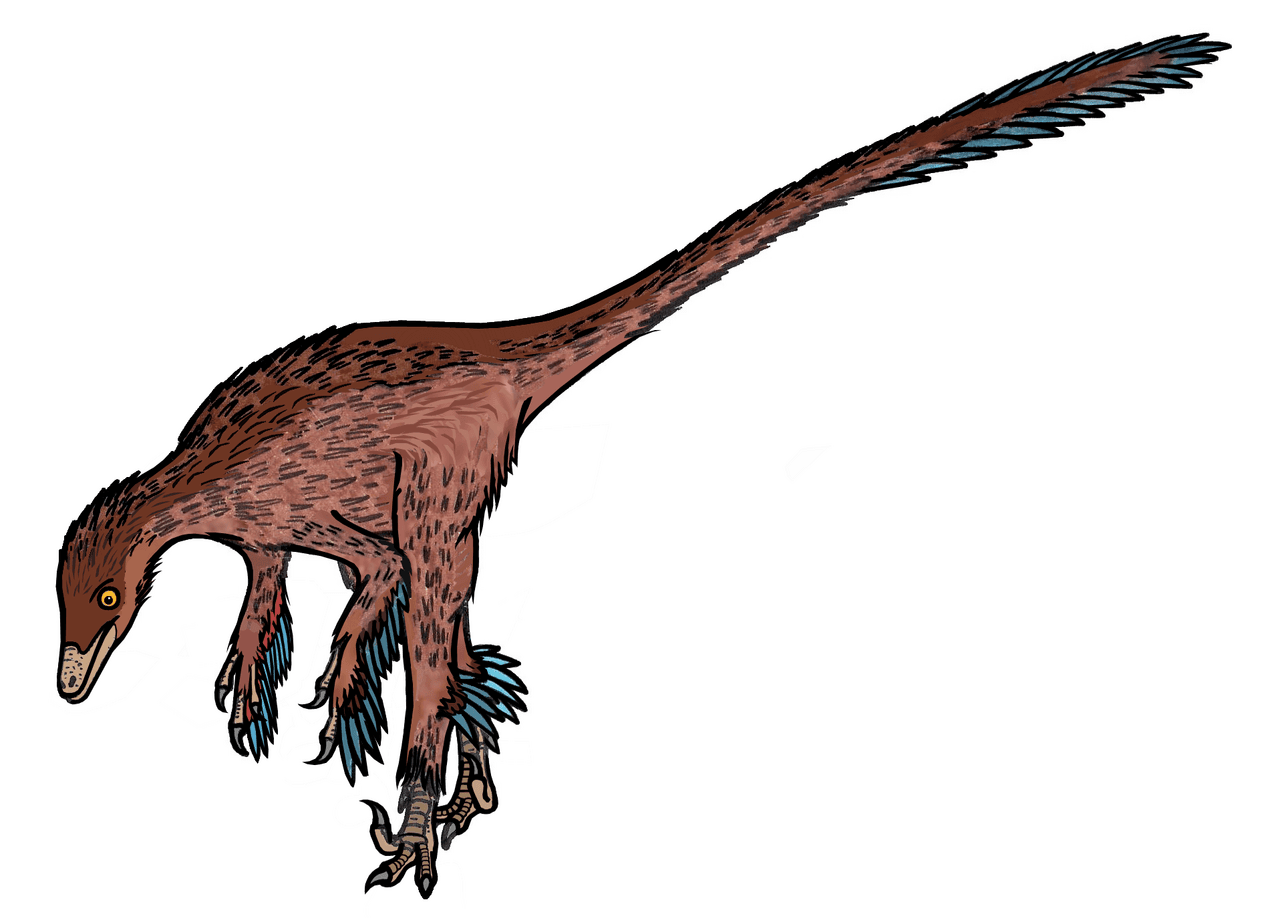
40-50 km/h
Petit théropode au cerveau le plus développé, agile et intelligent.
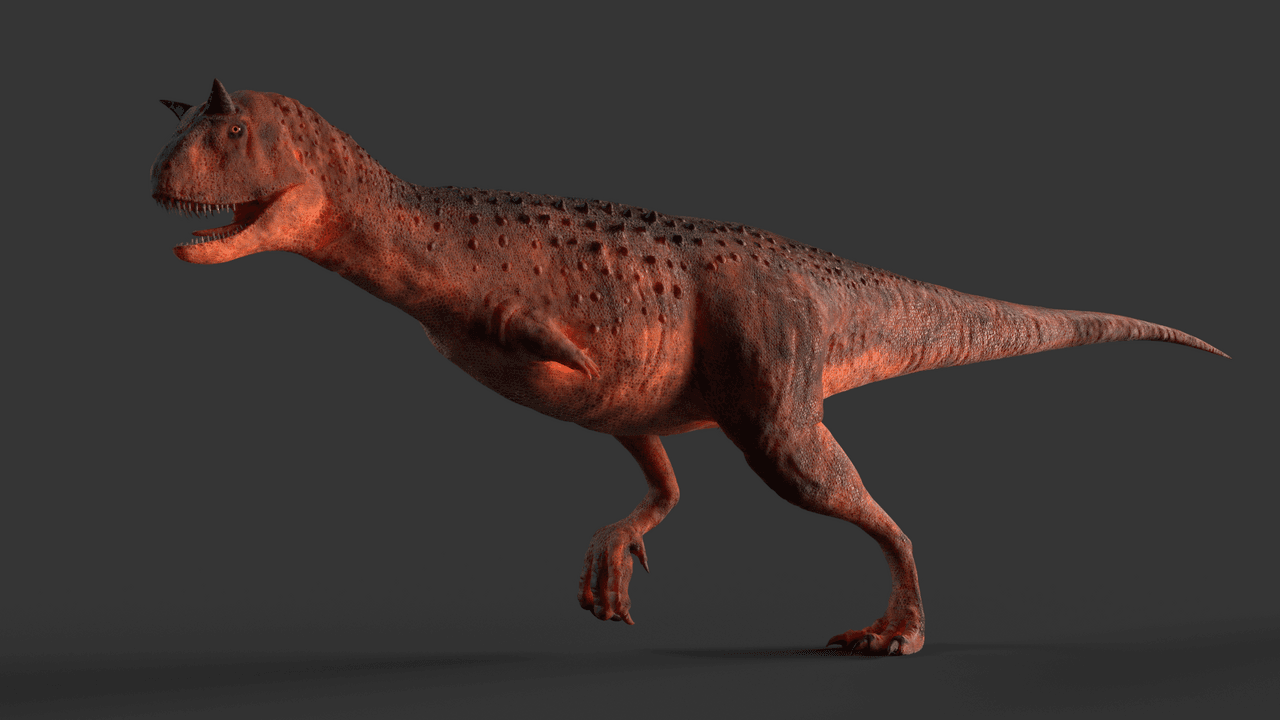
~50 km/h
Le plus rapide des grands carnivores, jambes proportionnellement longues.
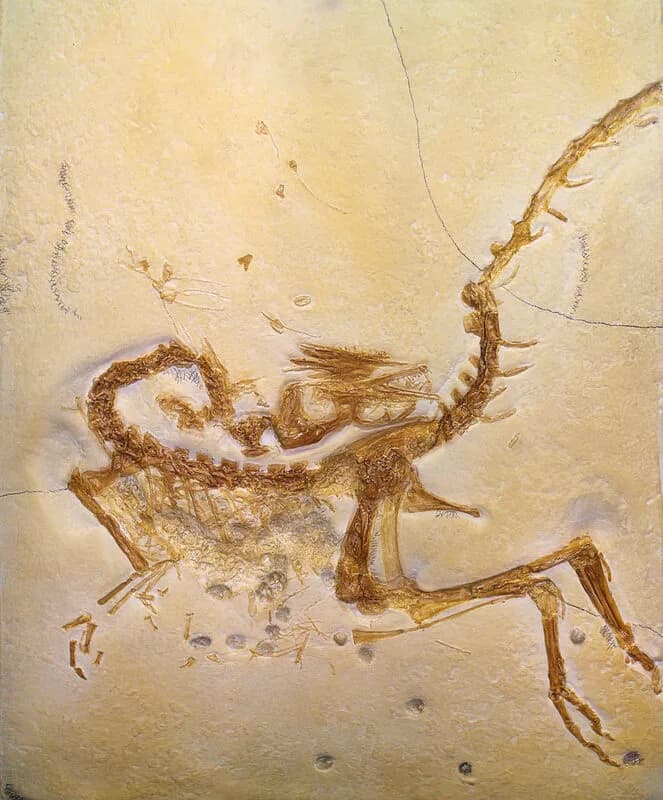
40-50 km/h
Petit théropode (1 m), agile et véloce, célèbre pour Jurassic Park 2.
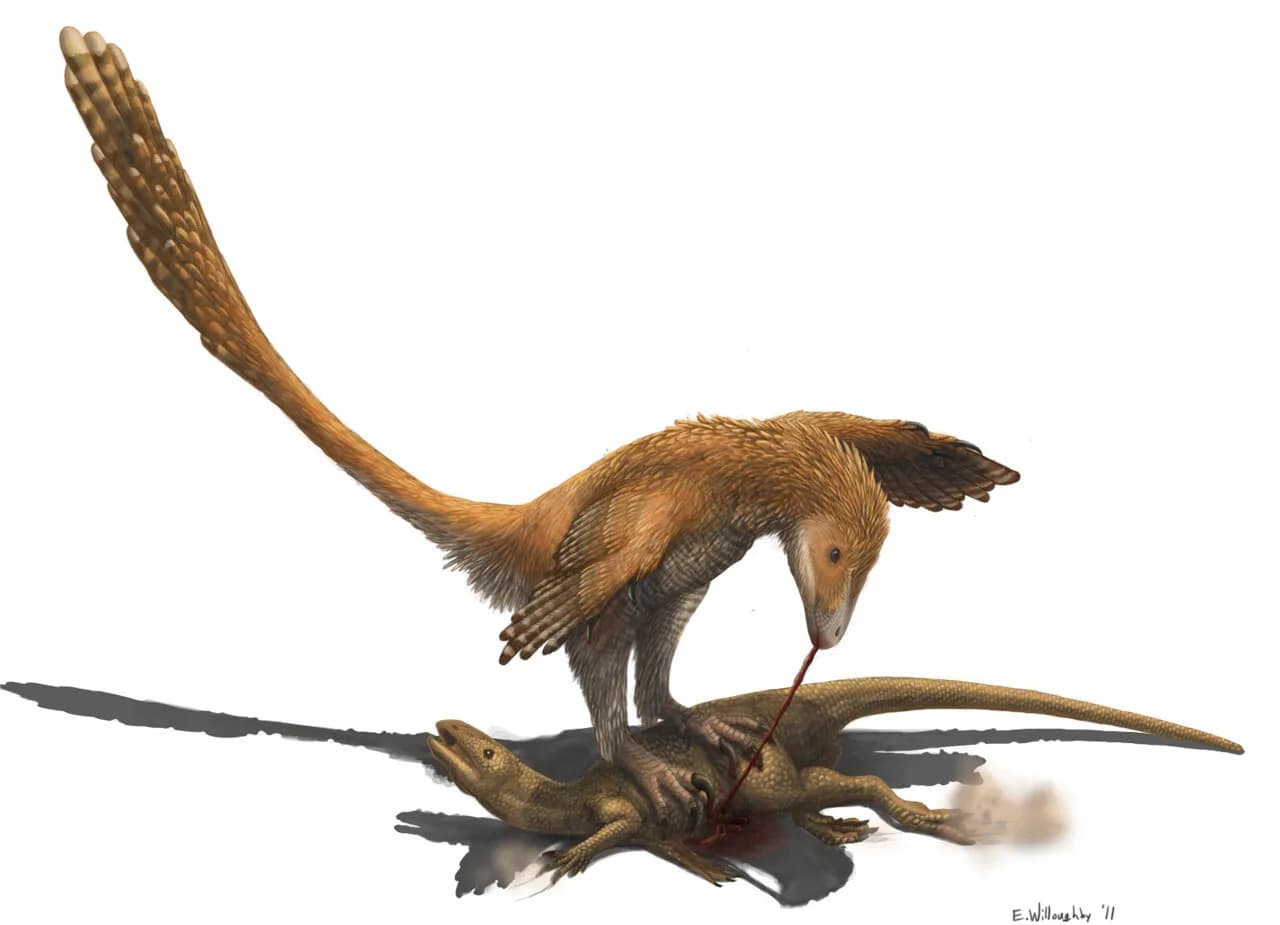
40 km/h
Dromaeosauridé léger, chasseur en meute coordonné.
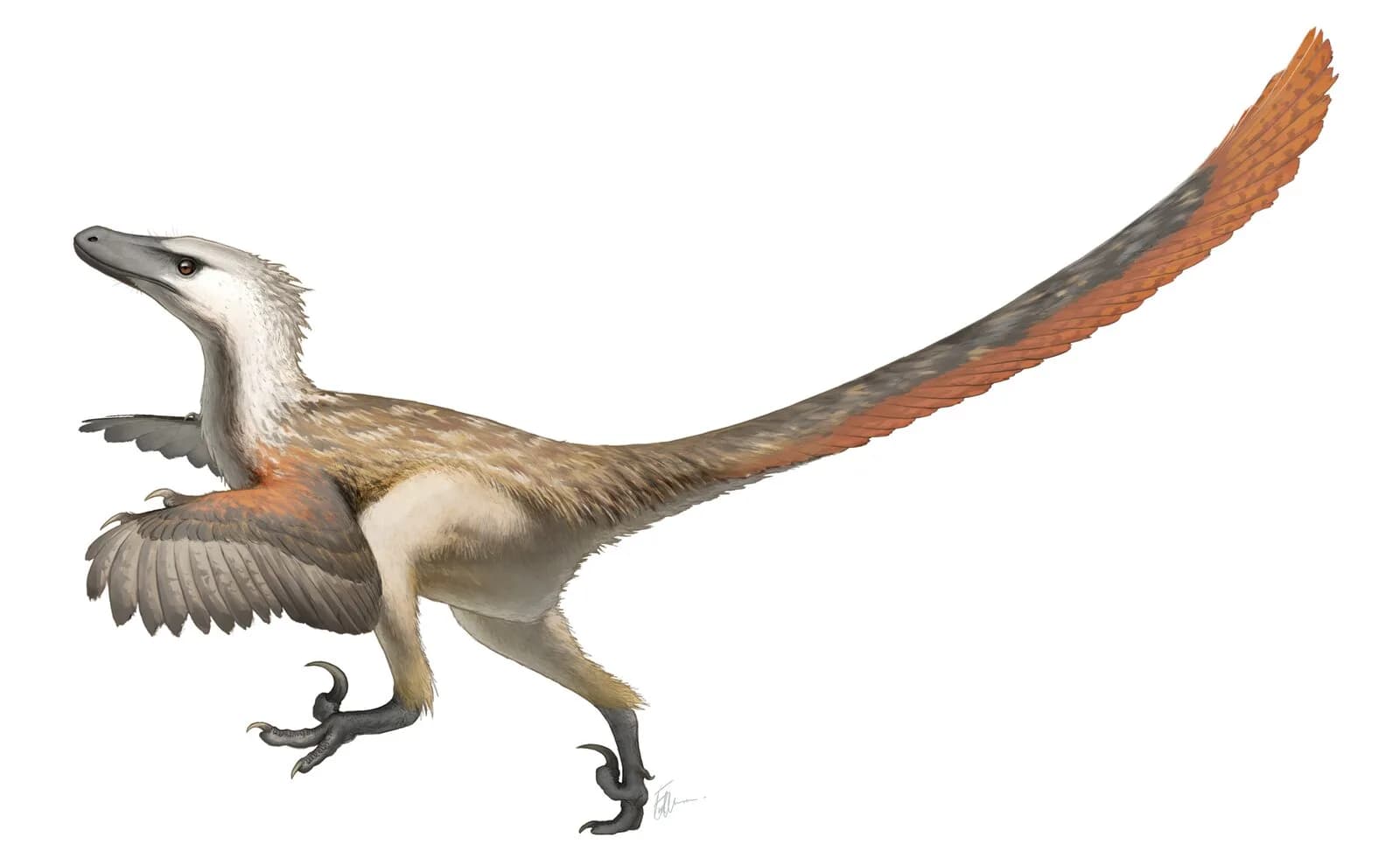
40 km/h
Plus petit que dans Jurassic Park (1.8 m) mais agile.
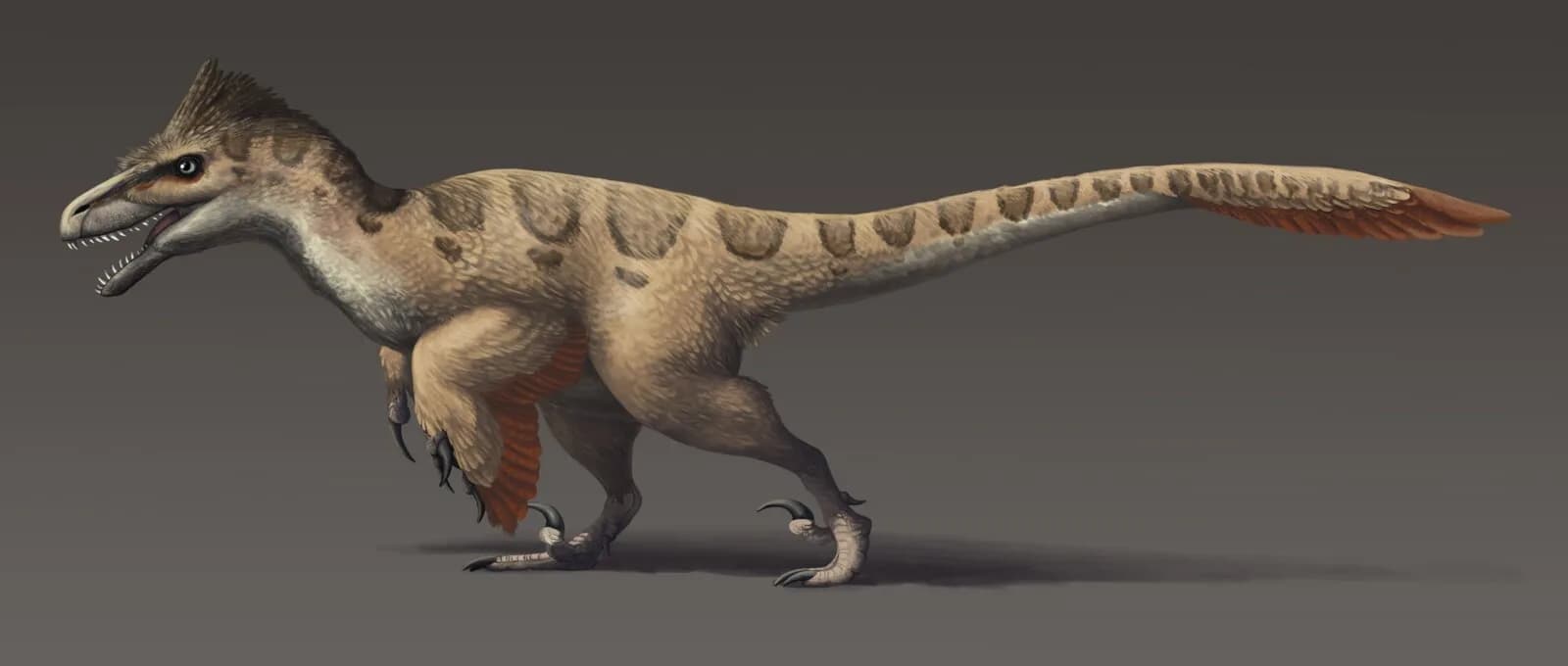
35 km/h
Le plus grand raptor jamais découvert, chasseur en meute du Crétacé.
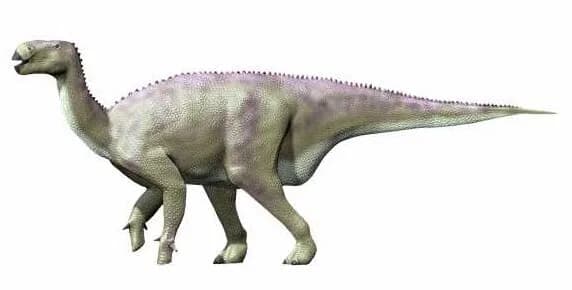
20-25 km/h
Herbivore bipède, vitesse correcte pour échapper aux prédateurs.
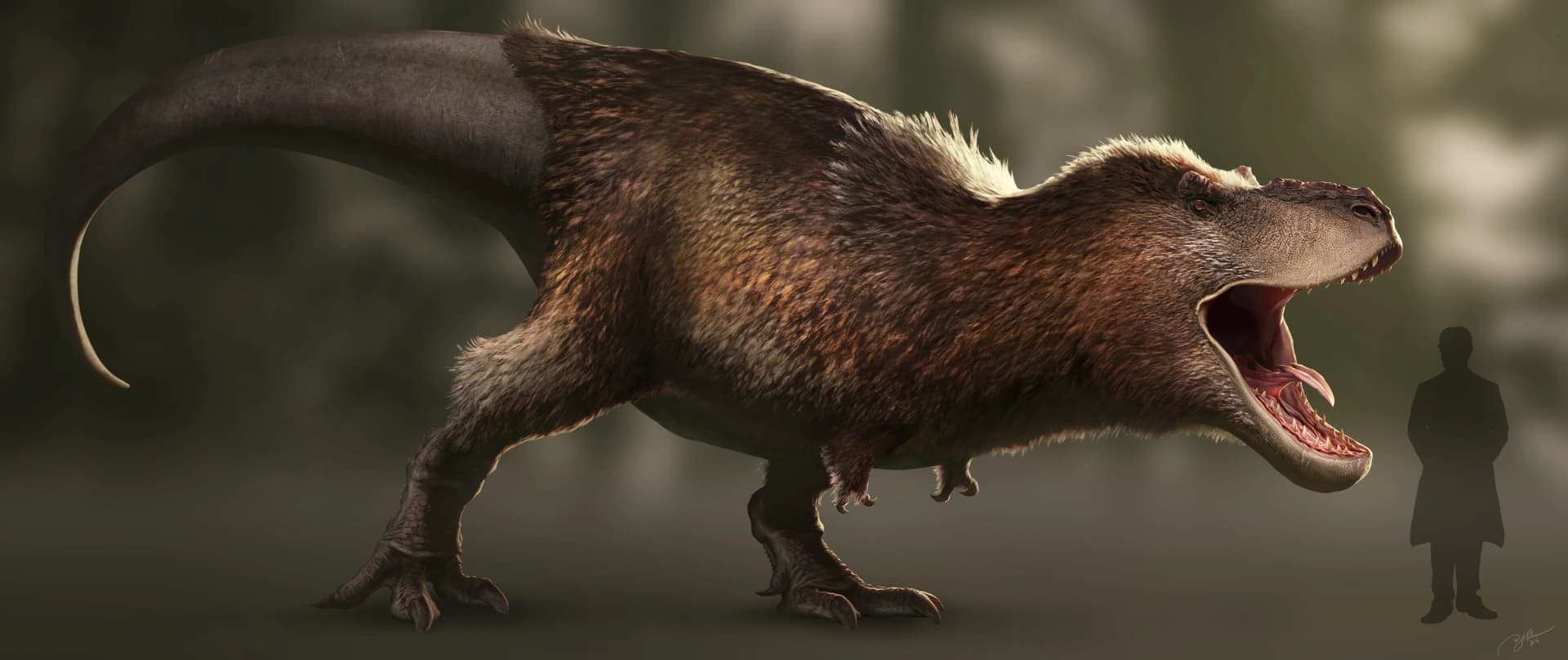
17-25 km/h
Adulte plus lent qu'on pense — sa masse limitait sa vitesse maximale.
Gallimimus bullatus and Ornithomimus edmontonicus share first place with estimated speeds of 60 to 70 km/h. These Late Cretaceous ornithomimosaurs had thin, long legs similar to those of a giant ostrich. Their hollow bones and light weight (150-450 kg) optimised running rather than power.
Compared to Jurassic Park depictions, yes. Current estimates place Tyrannosaurus rex between 17 and 25 km/h at top speed. Its mass of 5 to 9 tonnes mechanically limited its speed — leg bones would have risked fracturing at higher speeds. It compensated through ambush rather than pursuit.
Velociraptor mongoliensis reached about 40 km/h — fast, but far less spectacular than in Jurassic Park. Also, the real Velociraptor measured 1.8 metres (not 2.5 m as in the film) and was covered in feathers. The film's creatures more closely resemble Deinonychus or Utahraptor than the real Velociraptor.
Troodon formosus had the largest brain proportionally to its size among non-avian dinosaurs, estimated at 40 to 50 km/h when running. Its developed brain, forward-facing eyes (binocular vision) and prehensile hands make it the most likely candidate for the title of 'most intelligent dinosaur' of the North American Cretaceous.
Continue l'exploration paléontologique
