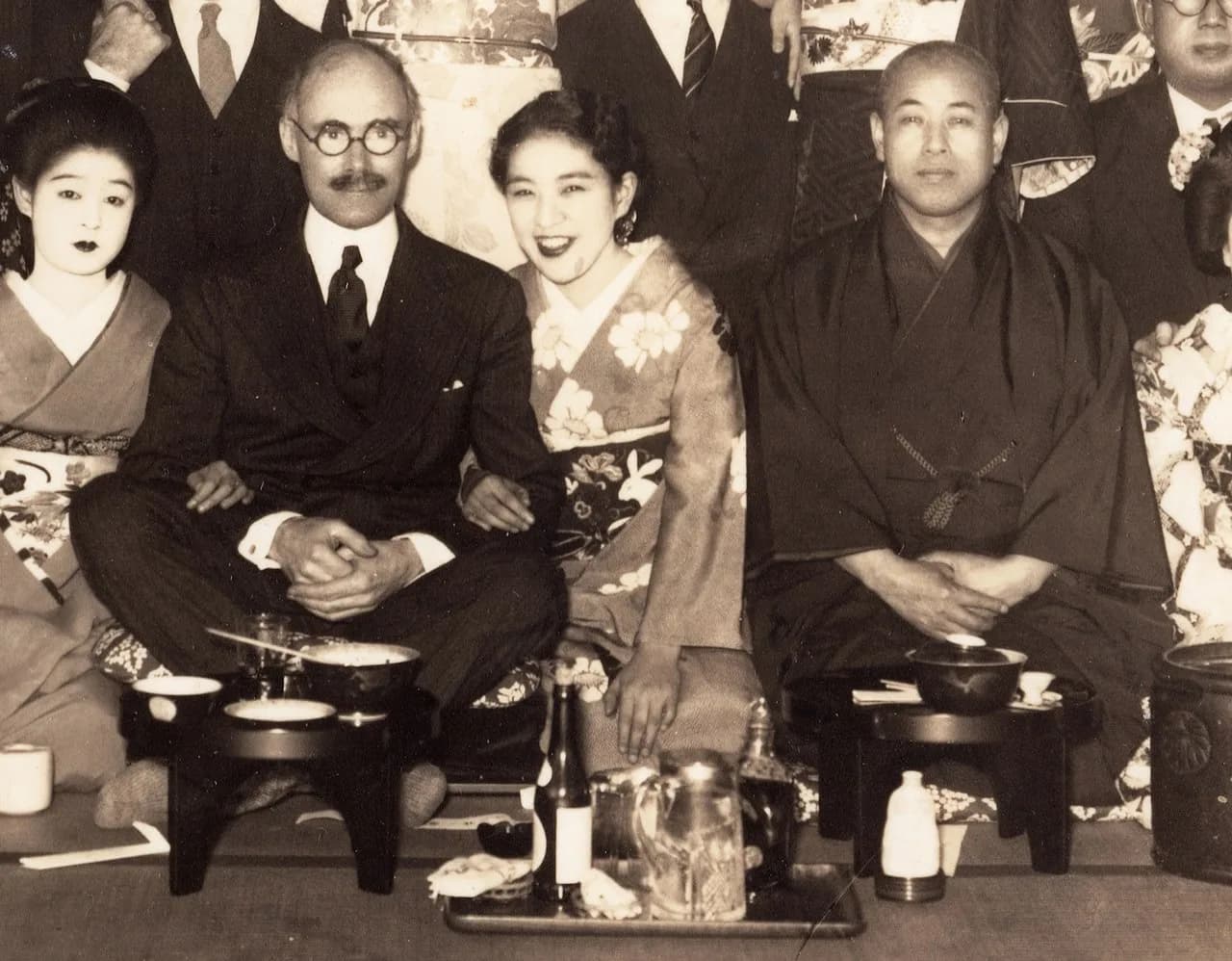
Isoroku Yamamoto commanded the Combined Fleet of the Imperial Japanese Navy and devised the attack on Pearl Harbor. He had nonetheless warned against a long war with the United States, predicting Japan could not hold out beyond six months to a year against American industry. A pioneer of naval aviation, he grasped before many that the carrier would supplant the battleship. His aircraft was shot down on 18 April 1943, after Japanese signals were decrypted.
Isoroku Yamamoto was born on April 4, 1884, in Nagaoka, Niigata Prefecture, into a samurai family of the Nagaoka clan. The sixth son of Sadayoshi Takano, a former samurai turned teacher, he was adopted in 1916 by the Yamamoto family, a common practice in Meiji-era Japan to perpetuate family lines without male heirs. His given name Isoroku means 'fifty-six,' his father's age at the time of his birth. He entered the Naval Academy at Etajima in 1900 and graduated in 1904. At the Battle of Tsushima in May 1905, the decisive victory of the Japanese Navy over the Russian fleet, the young ensign Yamamoto lost two fingers on his left hand from a shell fragment, a wound that would mark his entire life. This experience of naval combat convinced him of the crucial importance of maritime power for island Japan and determined his vocation for naval strategy.
After World War I, Yamamoto was sent to study in the United States, first at Harvard University from 1919 to 1921, then as naval attaché in Washington from 1926 to 1928. These stays gave him a thorough understanding of American industrial power and military potential that few Japanese leaders possessed. He became an expert on oil and understood Japan's vulnerability in energy supply. Back in Japan, he specialized in naval aviation and commanded the aircraft carrier Akagi. He was promoted to rear admiral in 1934 and participated in naval disarmament negotiations in London, where he vehemently defended the Japanese position. Appointed Vice Minister of the Navy in 1936, he openly opposed the Tripartite Pact with Germany and Italy, receiving death threats from ultranationalist extremists. For his own safety, he was appointed Commander-in-Chief of the Combined Fleet in August 1939, a position that removed him from Tokyo and potential assassins but placed him in operational command of the entire Japanese navy.
Convinced that Japan could not win a long war against the United States, Yamamoto conceived the attack on Pearl Harbor as a decisive blow intended to destroy the American Pacific Fleet and force Washington to negotiate peace. On December 7, 1941, six Japanese aircraft carriers launched 353 planes against the Hawaiian naval base, sinking or damaging eight battleships and destroying 188 American aircraft. However, the American aircraft carriers, absent from port that day, escaped destruction, and the oil tanks and repair facilities were spared, omissions that would prove fatal. In June 1942, Yamamoto devised a complex plan to lure the American fleet into a trap at Midway, but the American decryption of Japanese codes allowed Admiral Nimitz to ambush the Japanese force. The Battle of Midway, from June 4 to 7, 1942, cost Japan four aircraft carriers and constituted the decisive turning point of the Pacific War. After Midway, Yamamoto attempted to defend the Solomons and led the Guadalcanal campaign.
Yamamoto's most important decision was the conception of the Pearl Harbor attack, a bold strategic gamble that failed in its ultimate objective of forcing the United States to the negotiating table. Instead of paralyzing American will, the attack galvanized public opinion and united the country in total determination to defeat Japan. His decision not to launch a third wave against Pearl Harbor's oil tanks and port facilities is considered by many historians as a critical error that limited the operation's strategic impact. At Midway, his decision to divide his forces into several groups operating separately violated the principle of concentration and allowed the Americans to defeat a numerically superior force. His insistence on continuing the Guadalcanal campaign through piecemeal reinforcements rather than massive commitment wasted precious resources. Nevertheless, his vision of naval aviation as the decisive weapon revolutionized maritime warfare, and his lucid assessment of the balance of power between Japan and the United States proved tragically accurate.
On April 18, 1943, American P-38 Lightning fighters intercepted Yamamoto's transport aircraft over Bougainville in the Solomon Islands during Operation Vengeance, made possible by the decryption of the Japanese naval code JN-25. The admiral was killed instantly, becoming the highest-ranking Japanese officer eliminated during the war. His death was a terrible blow to Japanese morale, and the details were kept secret for over a month. Yamamoto received a state funeral in Tokyo on June 5, 1943, and was promoted posthumously to Fleet Admiral. In Japan, he is considered a tragic national hero, a strategic genius who foresaw defeat but served his country with honor until death. His famous quote predicting he could only 'run wild for six months to a year' before American industrial power overwhelmed Japan is often cited as the most lucid strategic assessment of the Pacific War. His legacy in world naval doctrine is considerable, having definitively demonstrated the supremacy of carrier aviation over the battleship.
Isoroku Yamamoto himself conceived the Pearl Harbor attack of December 7, 1941, but had previously warned against a prolonged war with the United States, predicting Japan could hold out for only 'six months to a year' against American industrial might. He hoped this decisive strike would force Washington to negotiate peace, but the attack instead galvanized American opinion into total determination to defeat Japan.
On April 18, 1943, American P-38 Lightning fighters intercepted Admiral Isoroku Yamamoto's transport aircraft over Bougainville in the Solomon Islands. This Operation Vengeance was made possible by the decryption of the Japanese naval code JN-25, which revealed Yamamoto's exact itinerary. The admiral was killed instantly, becoming the highest-ranking Japanese officer eliminated during the entire war.
At the Battle of Midway from June 4 to 7, 1942, Isoroku Yamamoto divided his forces into several groups operating separately, violating the principle of concentration. The Americans, having decrypted Japanese codes, set an ambush. Japan lost four aircraft carriers — Akagi, Kaga, Sōryū, and Hiryū — as well as hundreds of irreplaceable experienced pilots. This defeat constituted the decisive turning point of the Pacific War.
Information cross-checked against Wikipedia and reference historical works.
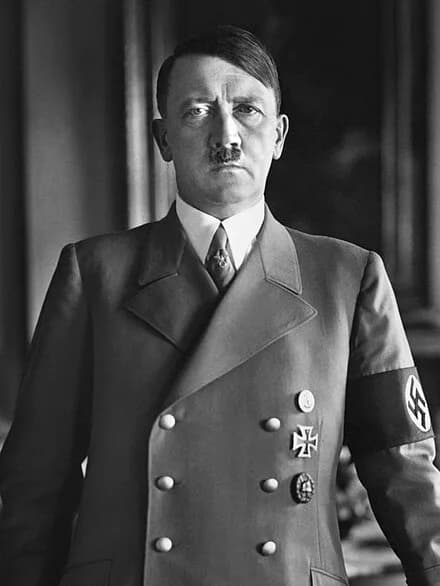
Adolf Hitler
Dictator of Nazi Germany from 1933 to 1945, Adolf Hitler was the primary instigator of World War II and the Holocaust. His racist and expansionist ideology caused the deaths of tens of millions of people worldwide. Appointed chancellor on 30 January 1933, he had dismantled the Weimar Republic within eighteen months and taken absolute power.
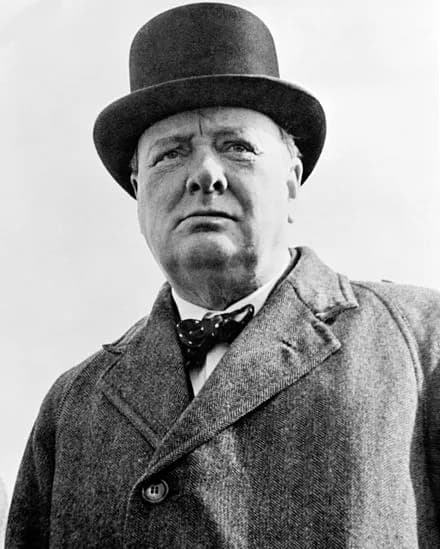
Winston Churchill
Prime Minister of the United Kingdom from 1940 to 1945, Winston Churchill embodied British resistance to Nazi Germany. His rousing speeches and unwavering leadership were instrumental in sustaining British morale through the darkest hours of the war. He refused any negotiated peace after the fall of France.
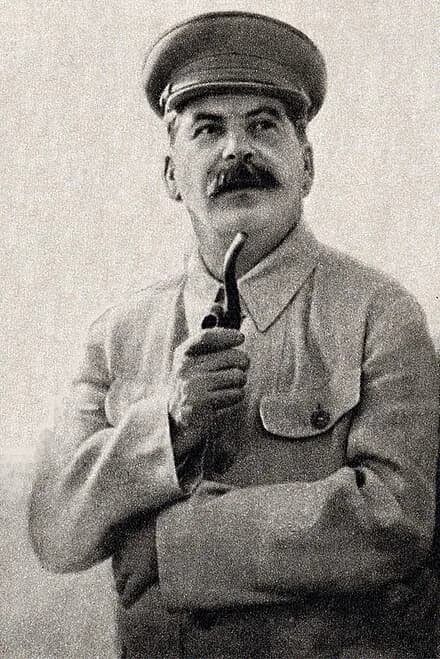
Joseph Stalin
Leader of the Soviet Union from 1924 to 1953, Joseph Stalin transformed the USSR into an industrial and military superpower. His leadership during the Great Patriotic War was decisive in defeating Nazi Germany, but his totalitarian regime caused millions of deaths among his own people.
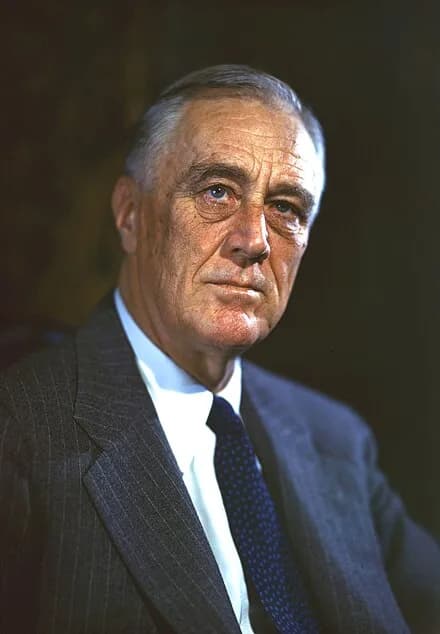
Franklin D. Roosevelt
32nd President of the United States, Franklin D. Roosevelt led the country through the Great Depression and most of World War II. His Lend-Lease program and diplomacy with Churchill and Stalin were decisive in the Allied victory, though he died just weeks before Germany's surrender.
