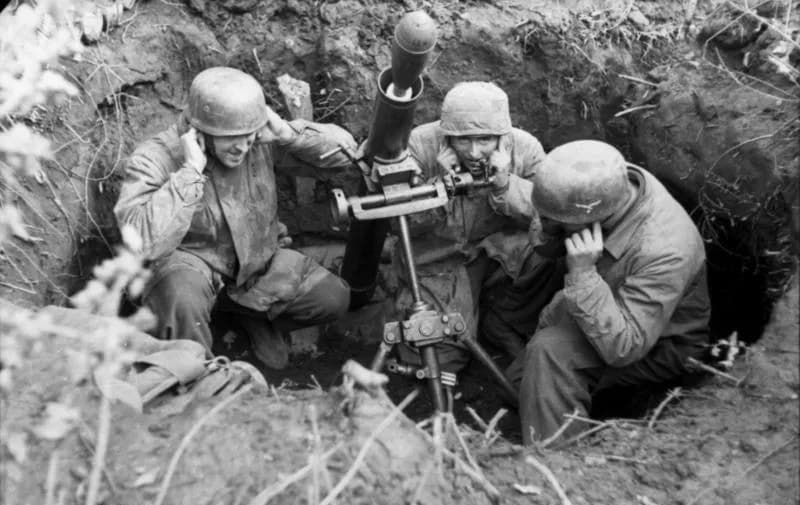
The Italian Front, opened by the Allied landing in Sicily in July 1943, was one of the most difficult theaters of operations in the European war. The fierce fighting through mountainous terrain, from Salerno to Monte Cassino and up to the Alps, was costly for both sides.
Italy presents terrain particularly unfavorable to offensive operations. The peninsula, 1,000 km long and only 150 to 250 km wide, is traversed along its entire length by the Apennine mountain chain with peaks exceeding 2,000 meters. Numerous rivers cross the peninsula from east to west, forming natural obstacles for forces attacking from south to north. Narrow valleys and winding roads severely limit the use of armor and channel troop movements into predictable corridors that defenders can easily cover. Climate varies from warm Mediterranean in the south to rigorous Alpine conditions in the north, with freezing winters at altitude. This mountainous terrain systematically favors the defender and allows a reduced number of well-positioned troops to block forces far superior in number. The Germans brilliantly exploited these natural advantages by constructing a series of fortified defensive lines across the peninsula, the most famous being the Gustav Line.
Allied forces in Italy were multinational: the US 5th Army under General Mark Clark and the British 8th Army under General Montgomery (succeeded by Oliver Leese then McCreery) formed the 15th Army Group under General Harold Alexander's command. Contingents included American, British, Canadian, French (French Expeditionary Corps under General Juin), Polish (2nd Polish Corps under General Anders), New Zealand, South African, Indian, and Brazilian (Brazilian Expeditionary Force) troops. The French Expeditionary Corps distinguished itself particularly in the breakthrough of the Gustav Line in May 1944, with Moroccan goumiers and Algerian and Tunisian tirailleurs fighting with exceptional bravery in mountainous terrain. On the German side, Field Marshal Albert Kesselring commanded forces with remarkable defensive skill, disposing of approximately 25 divisions including elite units such as the 1st Parachute Division and the Hermann Göring Division. The Germans benefited from shorter supply lines and terrain that multiplied their defensive capability.
The Italian campaign began with the landing in Sicily (Operation Husky) on July 10, 1943, which precipitated Mussolini's fall on July 25. The landing at Salerno on September 9, 1943 (Operation Avalanche) was nearly repulsed by a violent German counterattack. Naples was taken on October 1 after a popular uprising. The Allies then hit the Gustav Line, whose linchpin was Monte Cassino monastery, perched at 520 meters altitude overlooking the Liri Valley. Four bloody battles took place at Monte Cassino from January to May 1944. The 6th-century Benedictine monastery was controversially destroyed by Allied bombing on February 15, 1944, with the Germans then using the ruins as an even more effective defensive position. The Anzio landing (January 22, 1944), intended to outflank the Gustav Line, turned into a siege when Allied troops remained confined to the beachhead for four months. The breakthrough finally came in May 1944 thanks to the French Expeditionary Corps. Rome was liberated on June 4, 1944, two days before D-Day in Normandy, which overshadowed this victory. Fighting continued on the Gothic Line in northern Italy until the German surrender on May 2, 1945.
The Italian Front was costly for both sides. The Allies suffered approximately 313,000 killed, wounded, and missing. German losses were approximately 435,000 men. Italian civilians also paid a terrible price, with approximately 153,000 killed and historic cities devastated. The campaign tied down a significant number of German divisions that could have reinforced Normandy or the Eastern Front: up to 25 Wehrmacht divisions were immobilized in Italy. The liberation of Rome, the first Axis capital to fall, had a considerable psychological impact even though it was overshadowed by D-Day. The Provence landings (August 1944) used Italy as a launch base. The campaign also contributed to the collapse of the Italian fascist regime and the civil war between resistance fighters and troops of Mussolini's Republic of Salò. The French Expeditionary Corps in Italy, composed mainly of North African soldiers, made a decisive contribution to Allied victory while also raising controversies related to violence committed by some goumiers against the Italian civilian population (the marocchinate).
The Italian Front is often called the forgotten theater of World War II, overshadowed by D-Day and the great offensives on the Eastern Front. Yet its strategic importance and legacy are considerable. The Allied military cemeteries dotting Italy, from Sicily to Bologna, testify to the sacrifice of dozens of nationalities. The Polish cemetery at Monte Cassino, where soldiers of General Anders who finally took the monastery on May 18, 1944, are buried, is a place of Polish national pilgrimage. Monte Cassino monastery, rebuilt identically after the war, has once again become a major spiritual and cultural center. The controversy over the bombing of the monastery continues to divide historians: Allied commanders claimed the Germans were using it as an observation post, which the Germans have always denied. The experience of mountain combat in Italy influenced postwar military doctrine on operations in difficult terrain. The participation of soldiers from the French colonial empire in the Italian campaign helped fuel postwar independence demands in North Africa.
The Italian campaign began with the landing in Sicily (Operation Husky) on July 10, 1943, precipitating Mussolini's fall on July 25. The Salerno landing followed on September 9, 1943. Monte Cassino was the scene of four bloody battles from January to May 1944. The 6th-century Benedictine abbey was controversially destroyed by Allied bombing on February 15, 1944. The final breakthrough came from the French Expeditionary Corps in May 1944.
The Italian Front tied down up to 25 Wehrmacht divisions under Field Marshal Albert Kesselring's command. These forces could not reinforce Normandy or the Eastern Front. Despite its heavy human cost (313,000 Allied and 435,000 German casualties), the campaign served as a launch base for the Provence landings of August 1944 and contributed to the collapse of the Italian fascist regime and the Italian civil war.
The French Expeditionary Corps (CEF) under General Alphonse Juin particularly distinguished itself during the Gustav Line breakthrough in May 1944. Moroccan goumiers and Algerian and Tunisian tirailleurs fought with exceptional bravery in mountainous terrain, achieving what was thought impossible. Rome was liberated on June 4, 1944, two days before D-Day in Normandy. The participation of North African soldiers in this victory fueled postwar independence demands in the Maghreb.
Information cross-checked against Wikipedia and reference historical works.
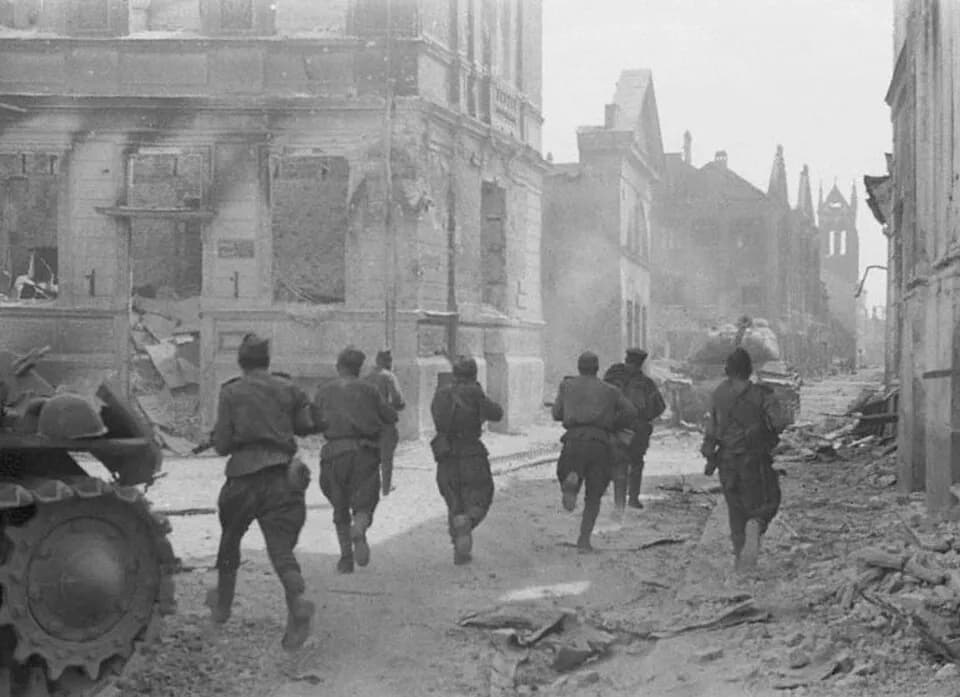
Eastern Front
The Eastern Front was the largest and deadliest theatre of operations in World War II. The clash between Nazi Germany and the Soviet Union caused over 30 million deaths and decided the outcome of the war in Europe. Four out of five German soldiers killed in the conflict fell there.
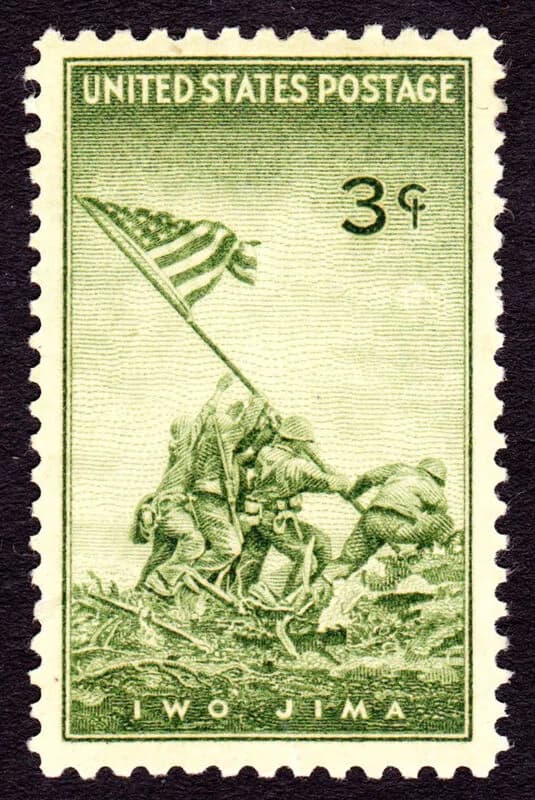
Pacific Theater
The Pacific Theater primarily pitted the United States against Imperial Japan in a naval and amphibious war spanning thousands of kilometers of ocean. From Pearl Harbor to Hiroshima, this fierce campaign concluded with the use of the first atomic bombs in history.
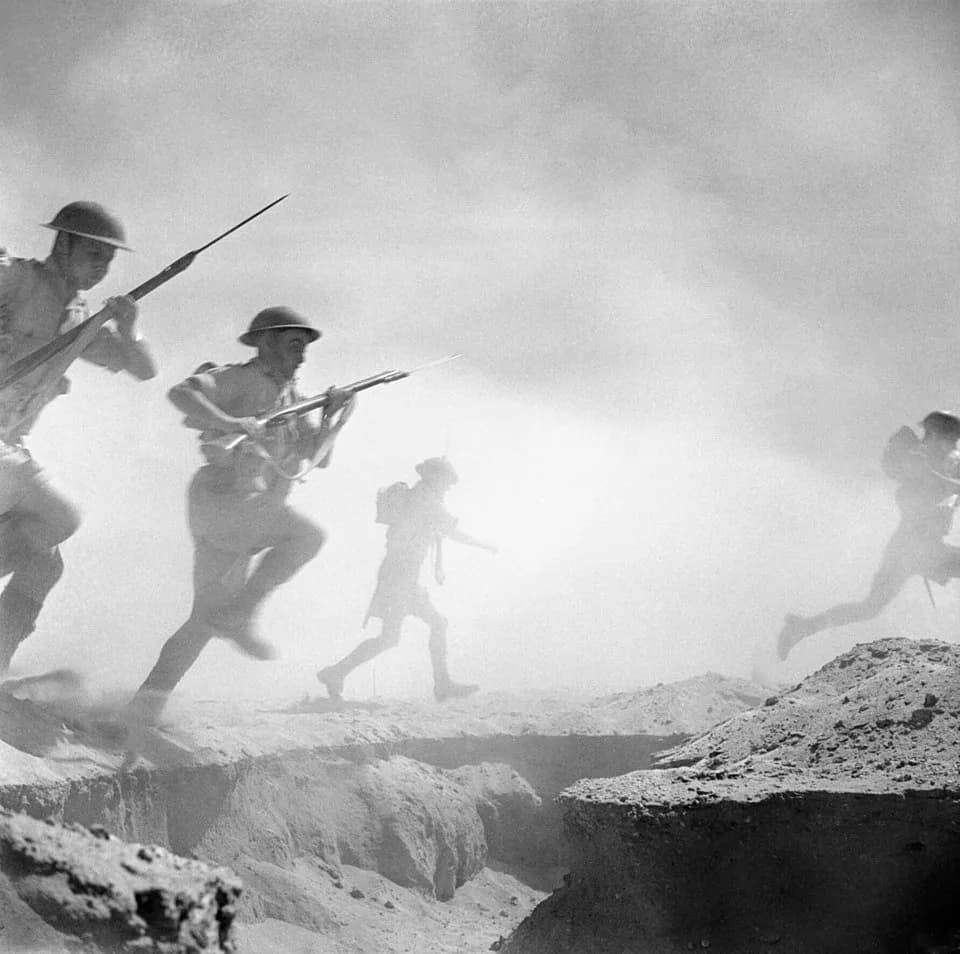
North African Campaign
The North African Campaign saw Axis and Allied forces clash in the deserts of Libya, Egypt and Tunisia. Theater of Rommel's desert war and Montgomery's decisive victory at El Alamein, it concluded with the surrender of 250,000 Axis soldiers in May 1943.
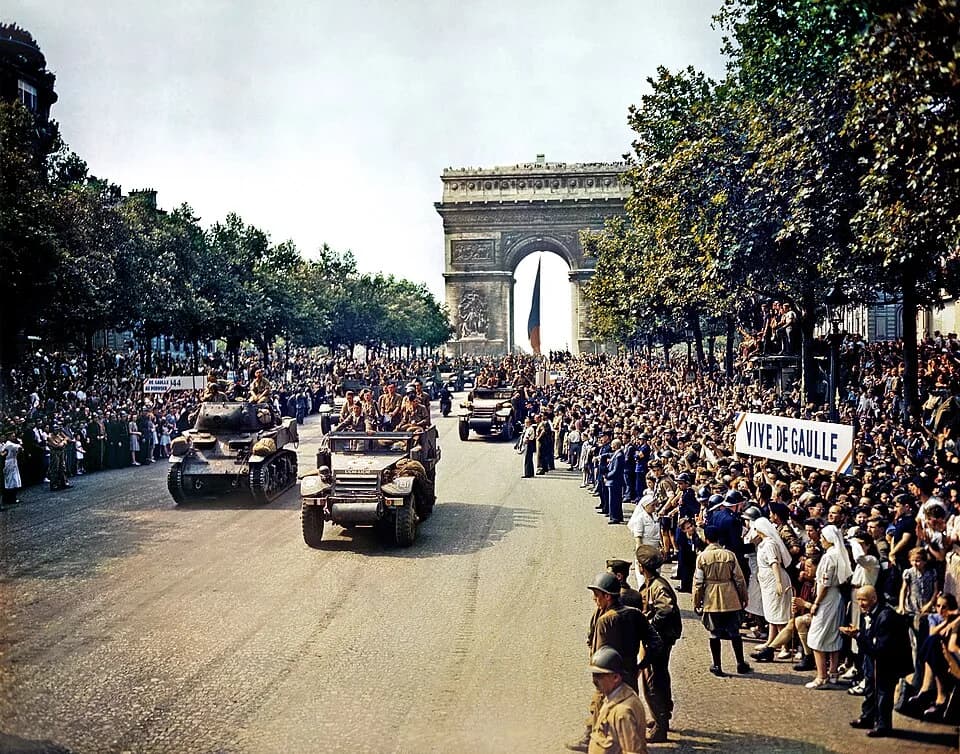
Western Front (1944-1945)
The Western Front, opened by the Normandy landings on June 6, 1944, saw Allied forces liberate France, Belgium and the Netherlands before invading Germany. From the Avranches breakthrough to the Rhine crossing, this eleven-month campaign ended the Third Reich from the west.
