
About Roof Lizard
Biography coming soon.
Paleontological Comparison
Dorsal plates and thagomizer vs horns and frill.
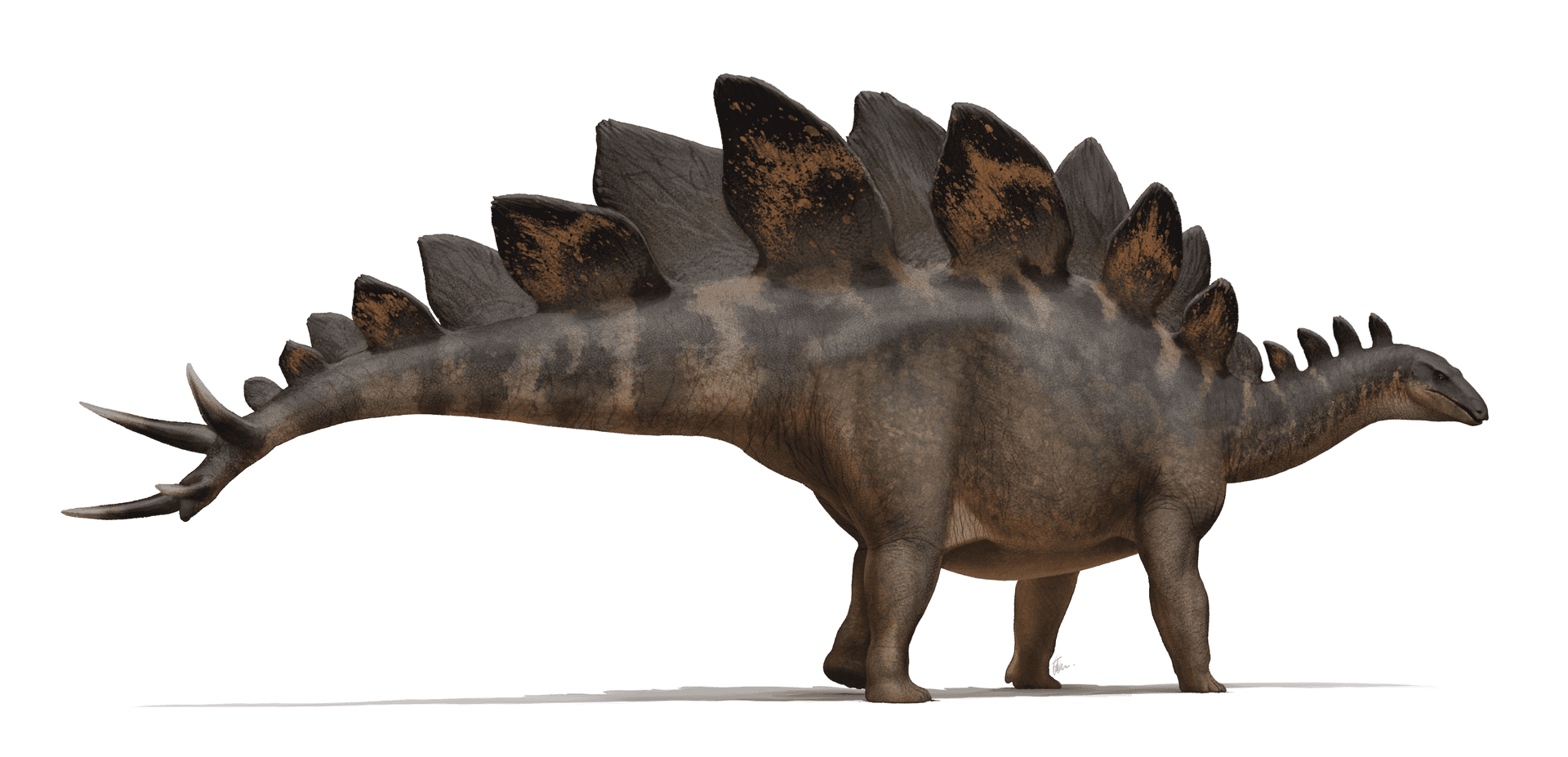
Stegosaurus stenops
Era: Mesozoic
Period: Late Jurassic
Diet: Herbivore
Region: North America, Europe
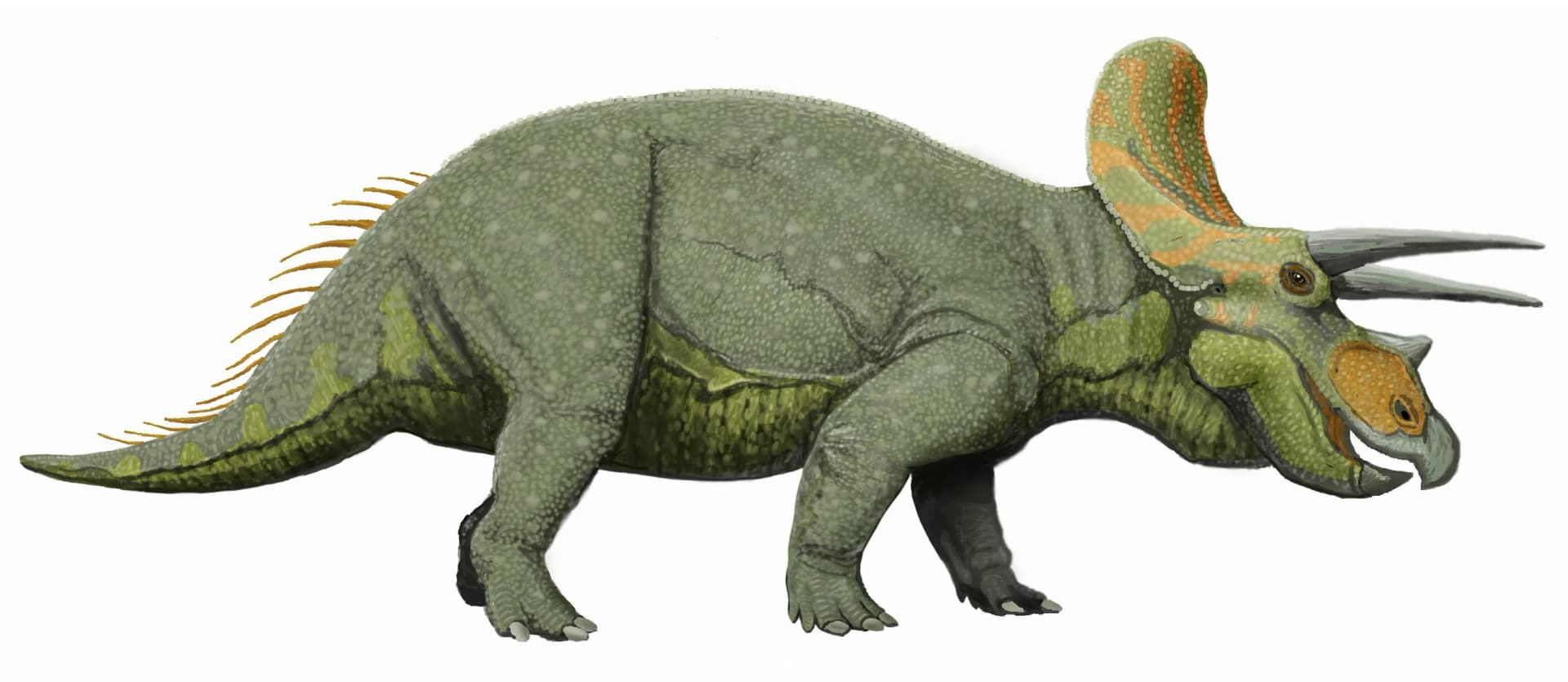
Triceratops horridus
Era: Mesozoic
Period: Late Cretaceous
Diet: Herbivore
Region: North America
| Criterion | Roof Lizard | Three-Horned Face |
|---|---|---|
| Length | 7-9 m m | 7.9-9 m m |
| Height | 4 m m | 3 m m |
| Weight | 2.5-4 tonnes t | 6-12 tonnes t |
| Era | Mesozoic | Mesozoic |
| Diet | Herbivore | Herbivore |
Verdict (physical categories)
Three-Horned Faceleads (2/3)
Note: size is only one factor. Speed, bite force, intelligence and hunting strategy matter too.
Biography coming soon.
Biography coming soon.
No. Stegosaurus stenops lived in the Late Jurassic (155-150 Ma) in North America. Triceratops horridus lived in the Late Cretaceous (68-66 Ma). They are separated by approximately 80 million years — the same gap as between T-Rex and us. Stegosaurus is actually temporally closer to Brachiosaurus than to Triceratops.
The 17 bony plates (osteoderms) of Stegosaurus stenops were vascularised — traversed by blood vessels — suggesting thermoregulation (heat dissipation/absorption) rather than passive protection. The tail armed with 4 spikes (the thagomizer) was the real defensive weapon.
Triceratops horridus objectively had better active defence with its 3 horns (up to 90-100 cm) and 1.5 m bony frill. Stegosaurus stenops's thagomizer (4 spikes of 60-90 cm) was effective but limited to the rear zone. An adult Triceratops could resist a T-Rex, which Stegosaurus could not do against Allosaurus.
Keep exploring paleontology