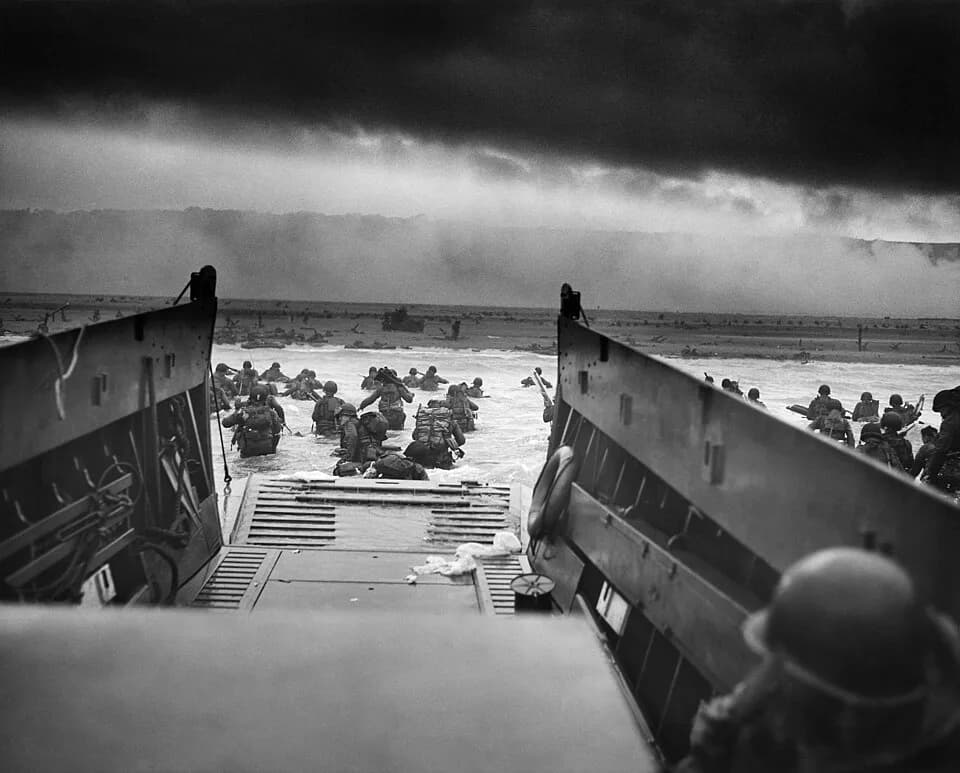
Operation Overlord was the code name for the Battle of Normandy, the largest amphibious operation in history. From the D-Day landings to the liberation of Paris, this 80-day campaign opened the second front in Europe and marked the beginning of the end for Nazi Germany.
The planning of Overlord began in January 1943 with the appointment of British General Frederick Morgan as head of COSSAC (Chief of Staff to the Supreme Allied Commander). The initial plan called for a three-division landing on the Norman coast. When Eisenhower was named Supreme Commander in December 1943, he expanded the plan to five landing beaches with three airborne divisions. Normandy was chosen over the Pas-de-Calais (closer but more heavily fortified) because of its lower density of defenses and favorable beaches. The logistics were titanic: 3 million soldiers were assembled in England along with millions of tons of equipment. Special technical innovations were developed: the Mulberry artificial harbors, the PLUTO undersea pipeline (Pipe-Line Under The Ocean), and Hobart's Funnies — specialized tanks including flamethrower tanks, mine-clearing tanks, and bridging tanks. Operation Fortitude, the deception plan, was essential: a fake army group commanded by Patton in Kent simulated a planned attack toward the Pas-de-Calais.
D-Day was originally set for June 5, 1944, but was postponed by 24 hours due to a storm. Eisenhower made the historic decision to launch the operation on June 6 despite marginal weather conditions. At 00:15, paratroopers from the American 82nd and 101st Airborne and the British 6th Airborne jumped behind enemy lines. At 5:30 AM, a massive naval bombardment from 7 battleships and 24 cruisers pounded the coastal defenses. The first assaults on the five beaches — Utah, Omaha, Gold, Juno, and Sword — began between 6:30 and 7:45 AM. Omaha Beach was a hellscape: the intact defenses of the German 352nd Division mowed down the first waves. But on the other four beaches, progress was satisfactory. By the end of June 6, 156,000 men were ashore. The following weeks saw fierce combat in the Norman hedgerow country, the Battle of Caen which lasted six weeks, and then the breakout at Avranches through Operation Cobra on July 25. The German encirclement in the Falaise Pocket in August and the liberation of Paris on August 25 concluded the operation.
The Allied forces assembled for Overlord were the largest ever gathered for an amphibious operation. On D-Day, 156,000 men landed or were parachuted in, transported by an armada of 6,939 vessels including 1,213 warships. Air cover was provided by 11,590 Allied aircraft that flew 14,674 sorties on June 6 — compared to only 319 sorties by the Luftwaffe. Naval forces included 7 battleships, 23 cruisers, 104 destroyers, and hundreds of assault ships. In total, during the Battle of Normandy, 2 million soldiers landed in France. The German forces in Normandy initially numbered 380,000 men under Rommel's command (Army Group B), with 6 infantry divisions and one Panzer division in the landing zone. However, the elite armored divisions — Panzer Lehr, 12th SS Panzer, and 2nd Panzer — were positioned further inland and could not intervene quickly due to the lack of authorization from Hitler and Allied air superiority that prohibited any daytime movement.
Operation Overlord was a decisive success. In 80 days, the Allies landed 2 million men, liberated Normandy and northwestern France, and destroyed the German capacity to fight in the West. The Falaise-Chambois Pocket (August 12-21) was the coup de grace: 50,000 German soldiers were captured and 10,000 killed, with the destruction of most of Army Group B's equipment. Total Allied casualties for the entire Battle of Normandy amounted to approximately 225,000 (killed, wounded, and missing), including 37,000 killed in action. The Germans lost approximately 450,000 men (killed, wounded, and prisoners), 2,000 tanks, and 1,500 artillery pieces. After Normandy, the speed of the Allied advance was astonishing: Paris was liberated on August 25, Brussels on September 3, and Antwerp on September 4. Within three months, the Allies had liberated virtually all of France and Belgium.
Overlord fundamentally changed the balance of the war in Europe. The opening of the second front forced Germany to fight on two major land fronts simultaneously, accelerating its defeat. The liberation of France restored a major European power to the Allied camp and provided bases for continuing operations. The operation demonstrated the ability of Western democracies to conduct military operations of unprecedented complexity, combining naval, air, and ground power in a multinational coalition. It also established American leadership in the Western alliance — a role the United States would retain throughout the Cold War. Overlord marked the pinnacle of inter-Allied military cooperation and remains the supreme reference in amphibious planning. The American cemeteries at Colleville-sur-Mer and the landing beaches have become memorial sites visited by millions of people each year, symbolizing the sacrifice made for freedom.
This article draws on historical works, military archives and recognized academic publications.
On June 6, 1944, 156,000 men landed or were parachuted onto five beaches — Utah, Omaha, Gold, Juno, and Sword — transported by an armada of 6,939 vessels including 1,213 warships. Allied air cover comprised 11,590 aircraft (14,674 sorties) against only 319 Luftwaffe sorties. By day's end, Allied forces were established on all beaches despite catastrophic losses at Omaha Beach.
The Battle of Normandy (June 6 - August 25, 1944) cost the Allies approximately 225,000 men (killed, wounded, and missing), including 37,000 killed in action. The Germans lost approximately 450,000 men, 2,000 tanks, and 1,500 artillery pieces. The Falaise-Chambois Pocket (August 12-21) was the coup de grâce: 50,000 German soldiers captured and 10,000 killed, with destruction of most of Army Group B's equipment.
Operation Fortitude was the Allied deception plan designed to convince the German high command that the main landing would target the Pas-de-Calais rather than Normandy. A fake army group commanded by Patton in Kent simulated an imminent attack. Ultra intelligence confirmed the deception worked: elite German armored divisions (Panzer Lehr, 12th SS Panzer) remained in reserve after June 6, allowing the Allies to consolidate their bridgeheads.
Information cross-checked against Wikipedia and reference historical works.
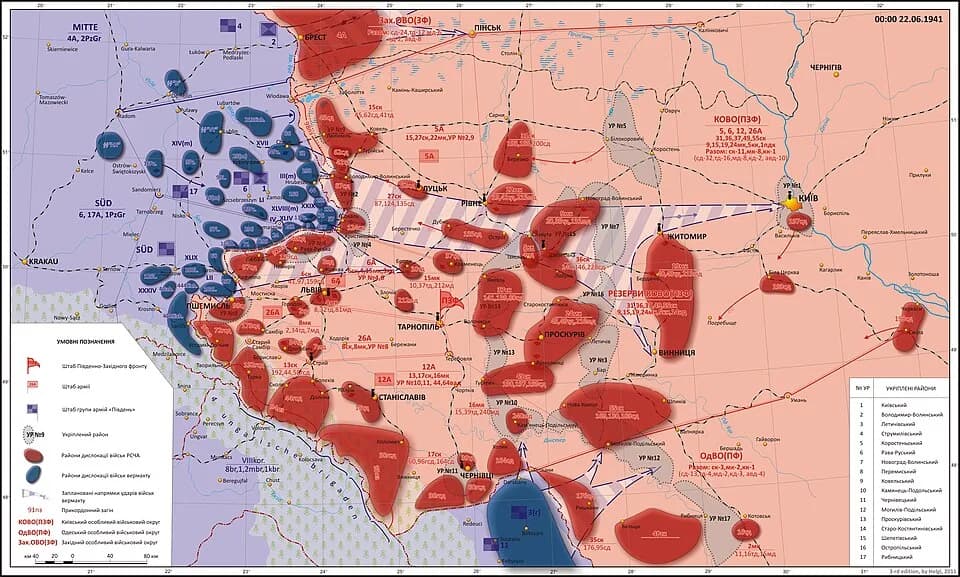
Operation Barbarossa
Operation Barbarossa was Nazi Germany's invasion of the Soviet Union, the largest military operation in history. With 3.8 million soldiers engaged, it opened the Eastern Front and was Hitler's fatal strategic error that led to the destruction of the Third Reich.
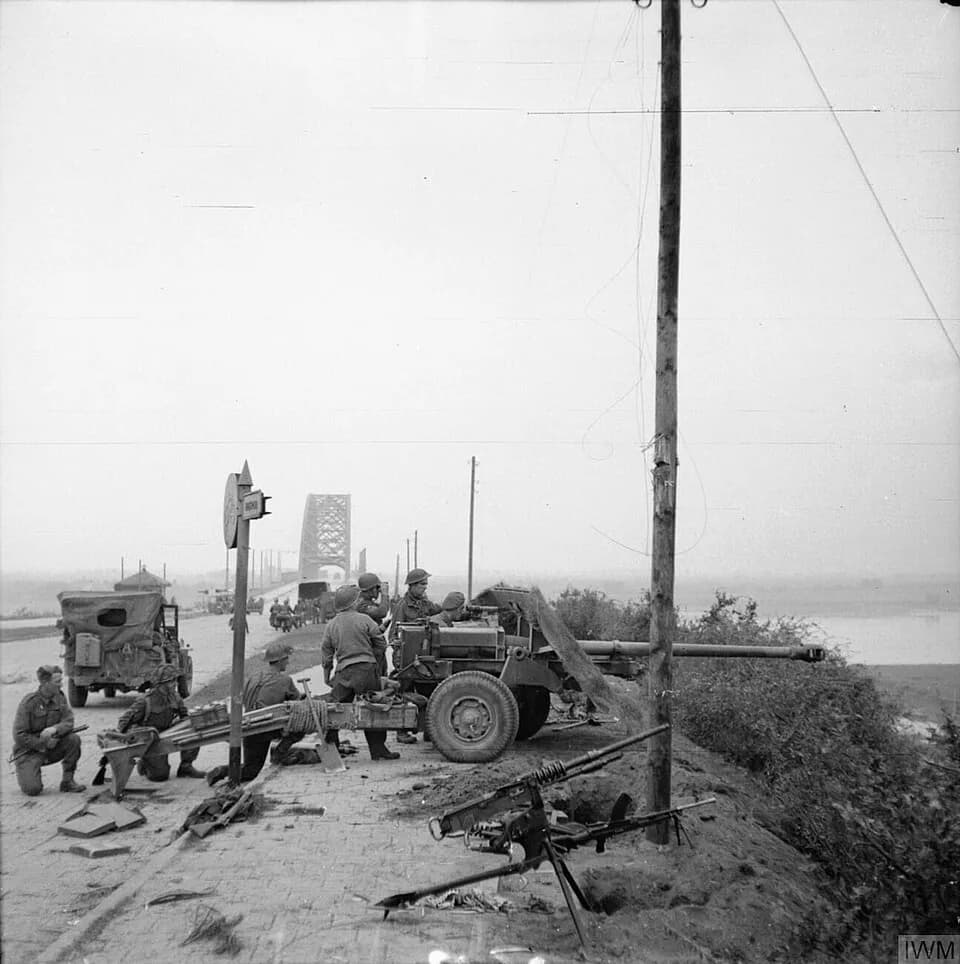
Operation Market Garden
Operation Market Garden was the largest airborne operation in history, aiming to capture a series of bridges in the Netherlands to allow Allied armor to bypass the Siegfried Line and invade Germany. Its failure at Arnhem prolonged the war by several months.
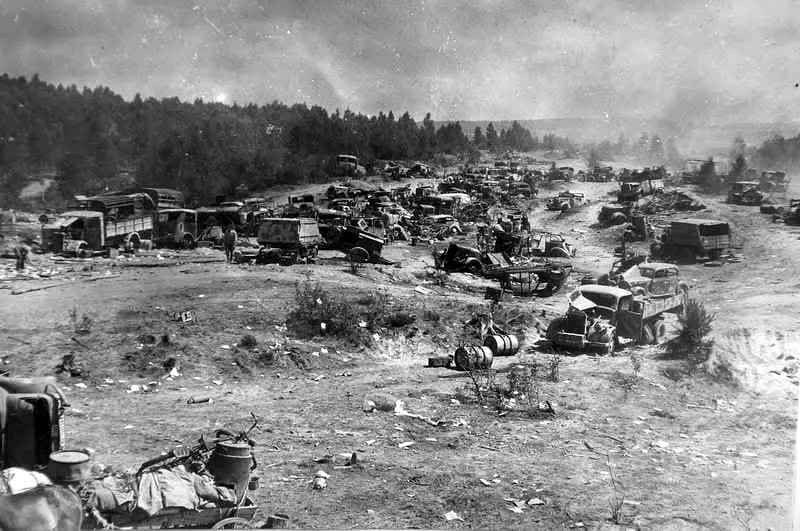
Operation Bagration
Operation Bagration was the Soviet offensive that destroyed the German Army Group Center in Belarus during the summer of 1944. More devastating than Stalingrad, it annihilated 28 German divisions and advanced 600 km in two months, liberating Belarus and reaching the gates of Warsaw.
Operation Torch
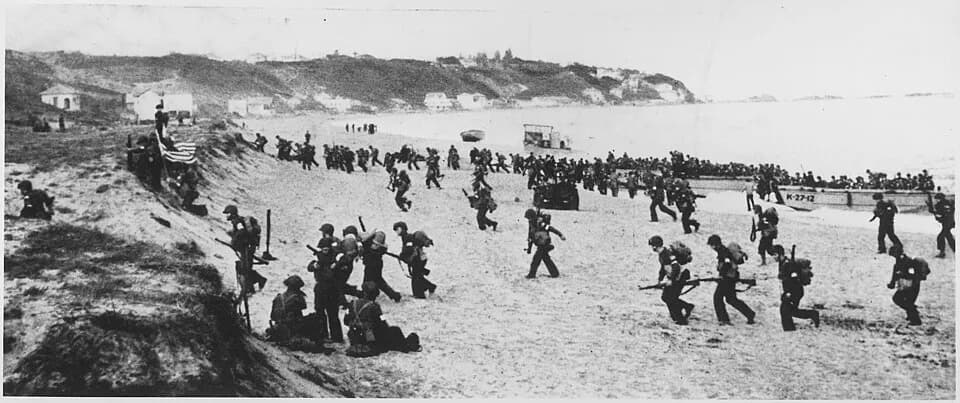
Operation Torch was the Allied landing in French North Africa on November 8, 1942, the first major engagement of American forces against the Axis. This operation marked the beginning of the liberation of the Mediterranean basin and forged the Anglo-American alliance that would lead to victory in Europe.
