
About Ankylosaurus
Biography coming soon.
Paleontological Comparison
Tail club vs horns: ultimate defense duel.
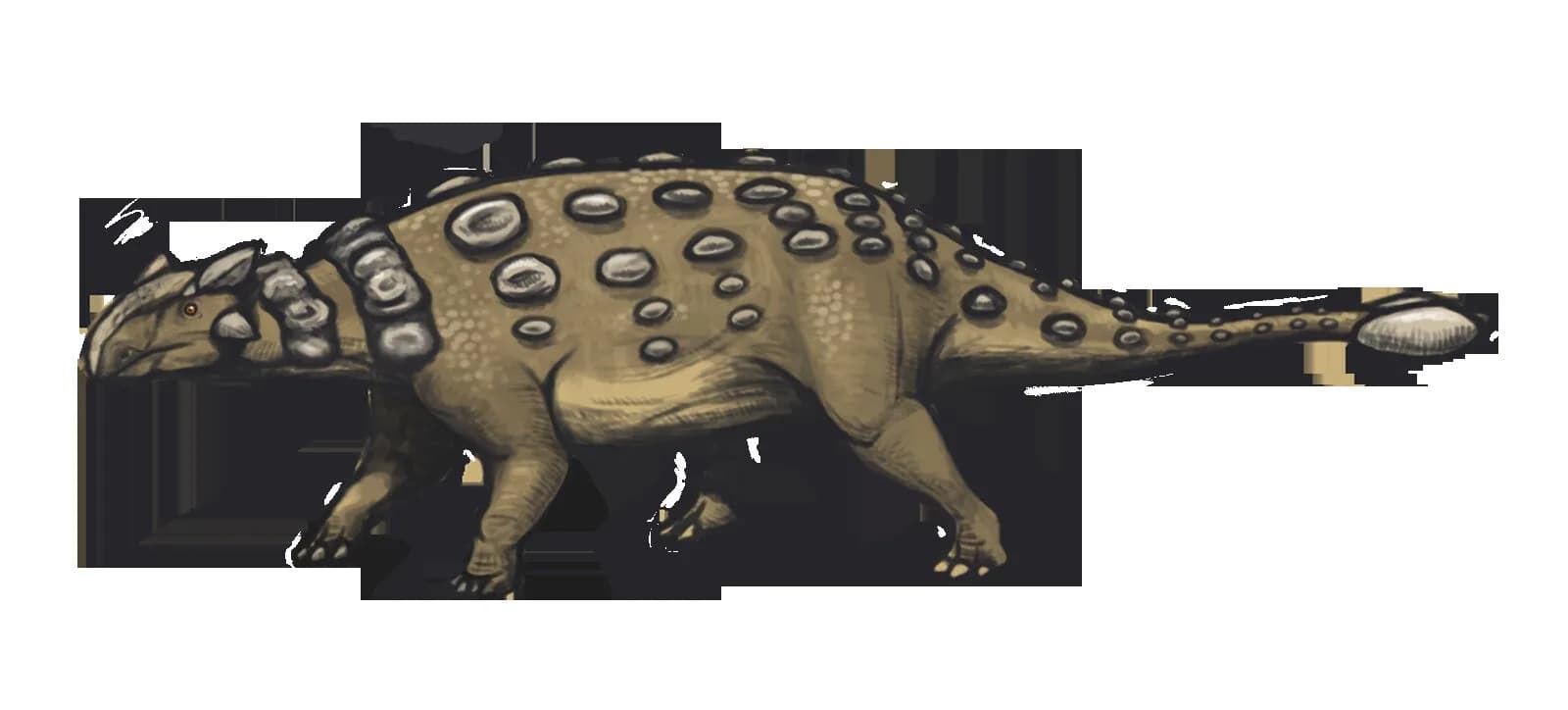
Ankylosaurus magniventris
Era: Mesozoic
Period: Late Cretaceous (Maastrichtien)
Diet: Herbivore
Region: North America (Montana, Wyoming, Alberta)
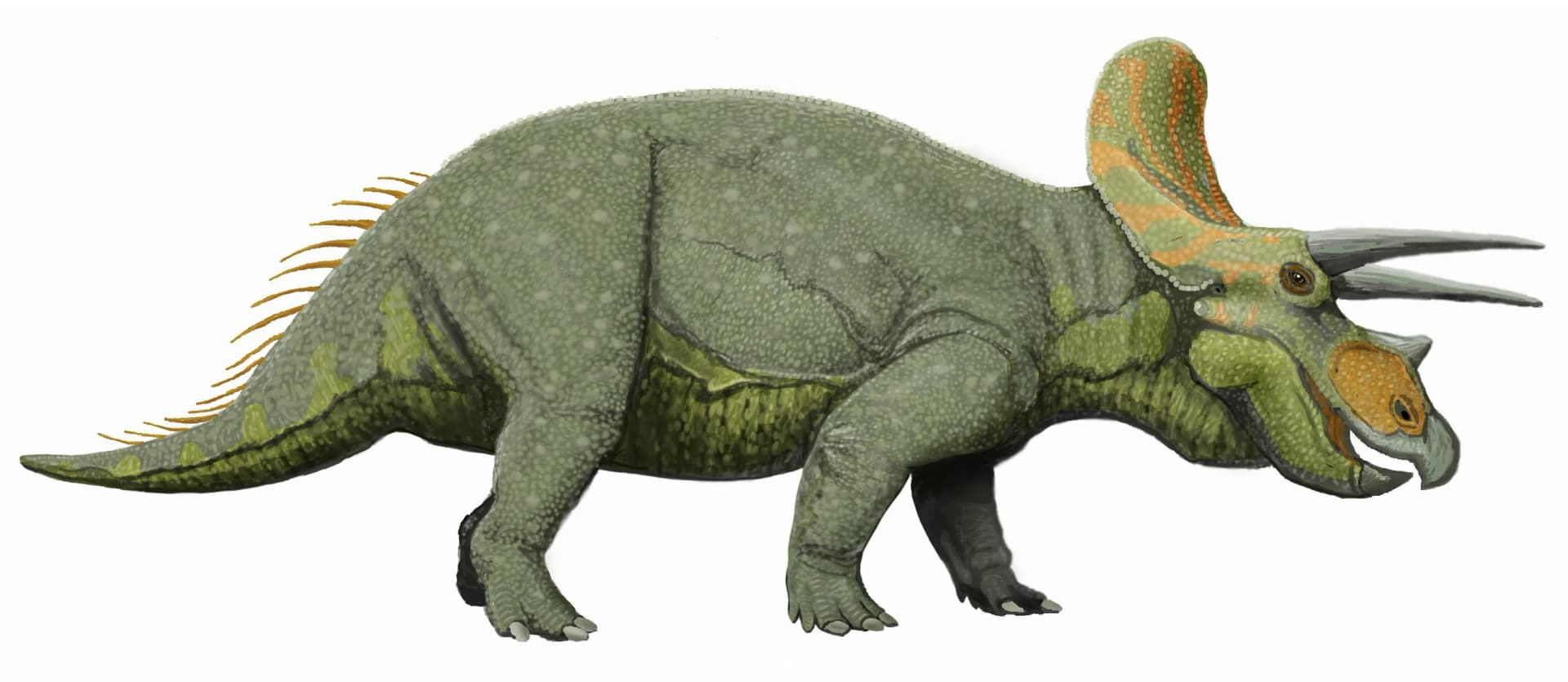
Triceratops horridus
Era: Mesozoic
Period: Late Cretaceous
Diet: Herbivore
Region: North America
| Criterion | Ankylosaurus | Three-Horned Face |
|---|---|---|
| Length | 6–8 m m | 7.9-9 m m |
| Height | ~1.7 m m | 3 m m |
| Weight | 4 000–8 000 kg t | 6-12 tonnes t |
| Era | Mesozoic | Mesozoic |
| Diet | Herbivore | Herbivore |
Verdict (physical categories)
Three-Horned Faceleads (3/3)
Note: size is only one factor. Speed, bite force, intelligence and hunting strategy matter too.
Biography coming soon.
Biography coming soon.
Yes — Ankylosaurus magniventris and Triceratops horridus are two of the last non-avian dinosaurs, both dating from the Late Cretaceous (68-66 Ma) in North America. They coexisted in the same Hell Creek Formation ecosystems (Montana, Dakota) alongside Tyrannosaurus rex.
Two complementary strategies. Ankylosaurus magniventris's tail club was 360° defensive-offensive but required turning the back. Triceratops horridus's horns allowed active frontal attack. Against T-Rex, Triceratops had the advantage in direct attack; Ankylosaurus was nearly invulnerable from the back but vulnerable in the belly if flipped.
Triceratops, clearly. It weighed 6 to 12 tonnes at 7.9 to 9 metres long, against 4 to 8 tonnes and 6 to 8 metres for Ankylosaurus. Triceratops relied on bulk and three facial horns; Ankylosaurus, squatter and lower to the ground, on continuous bony armour and a tail club.
Keep exploring paleontology