
About Ankylosaurus
Biography coming soon.
Paleontological Comparison
The armored tank vs the plate-bearer: which defense wins?
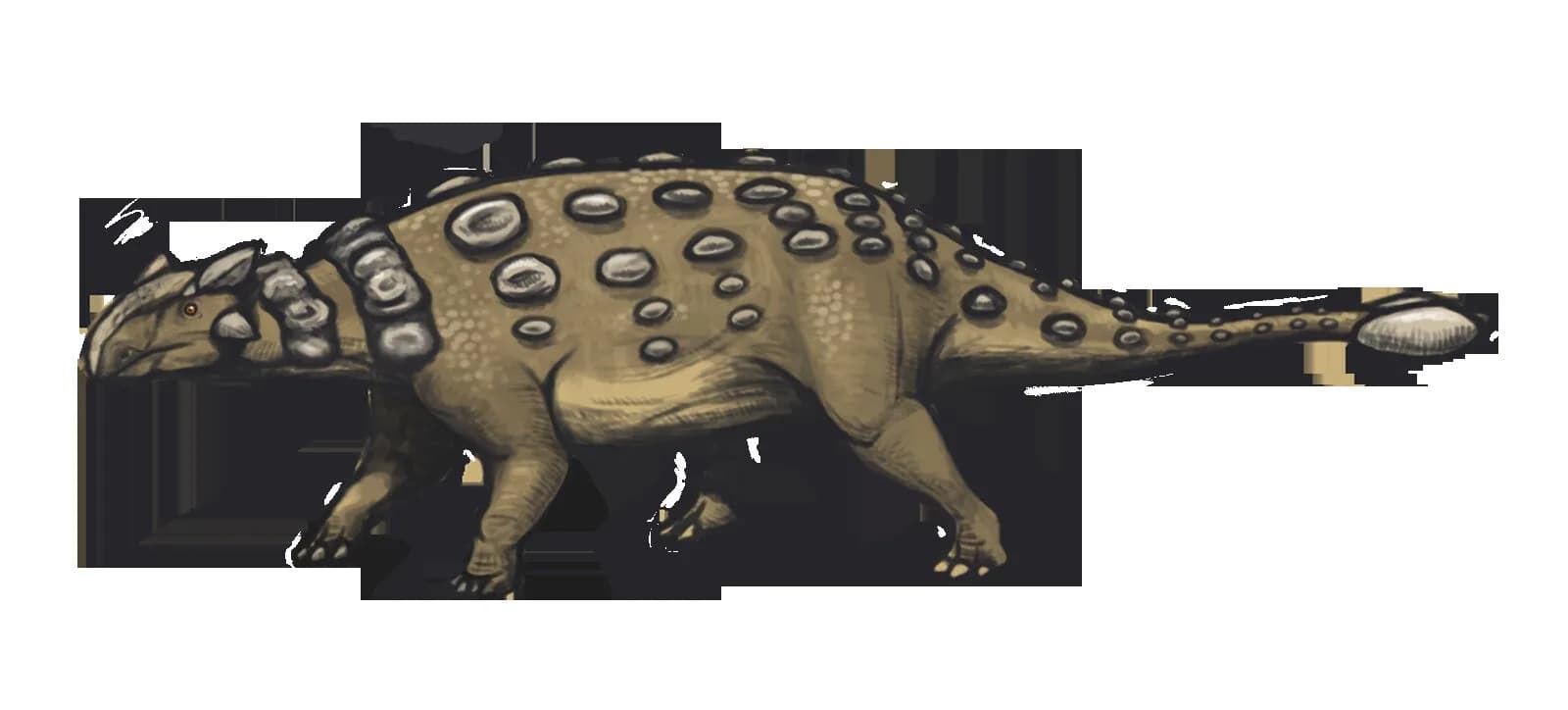
Ankylosaurus magniventris
Era: Mesozoic
Period: Late Cretaceous (Maastrichtien)
Diet: Herbivore
Region: North America (Montana, Wyoming, Alberta)
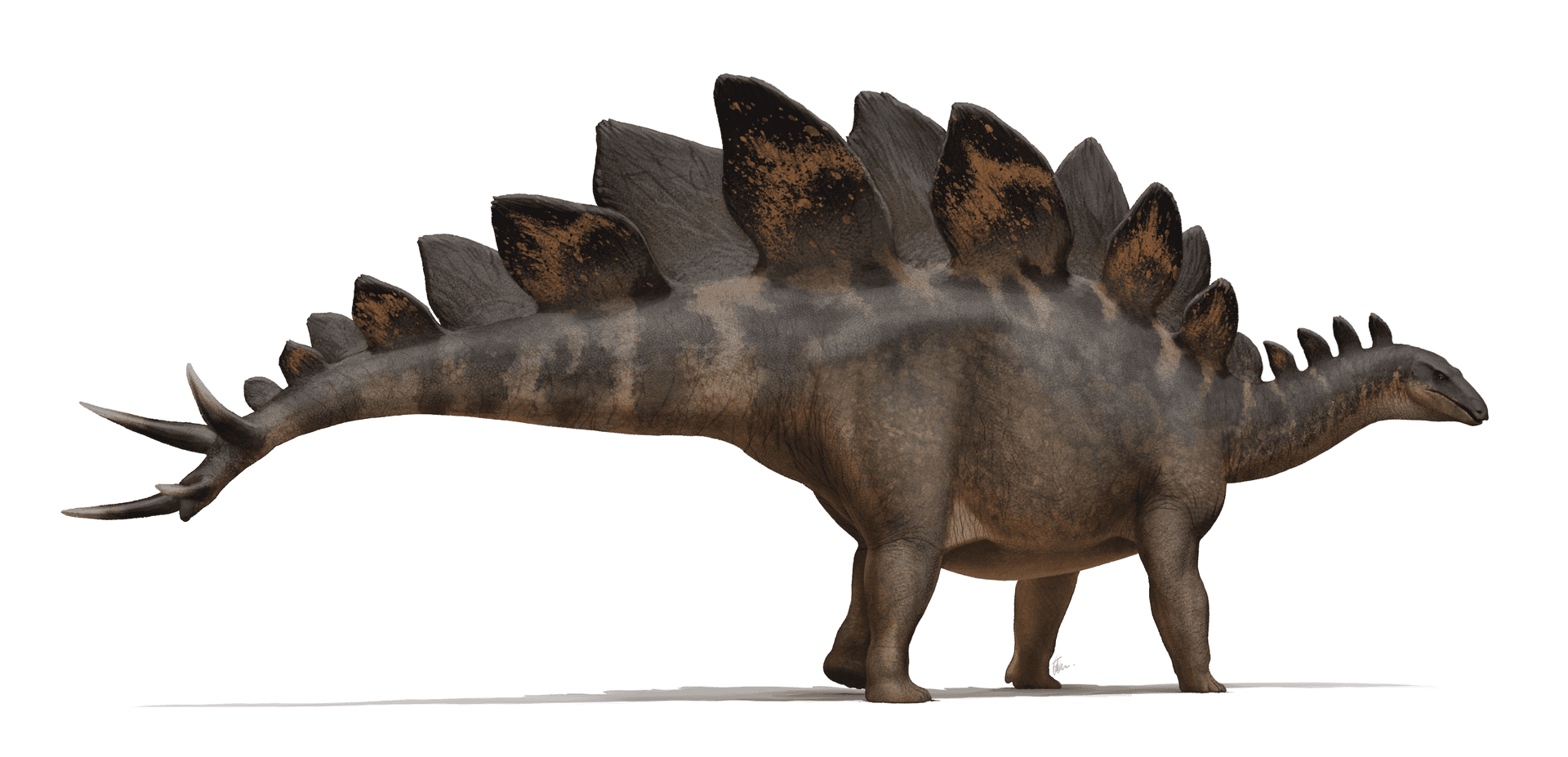
Stegosaurus stenops
Era: Mesozoic
Period: Late Jurassic
Diet: Herbivore
Region: North America, Europe
| Criterion | Ankylosaurus | Roof Lizard |
|---|---|---|
| Length | 6–8 m m | 7-9 m m |
| Height | ~1.7 m m | 4 m m |
| Weight | 4 000–8 000 kg t | 2.5-4 tonnes t |
| Era | Mesozoic | Mesozoic |
| Diet | Herbivore | Herbivore |
Verdict (physical categories)
Roof Lizardleads (2/3)
Note: size is only one factor. Speed, bite force, intelligence and hunting strategy matter too.
Biography coming soon.
Biography coming soon.
Ankylosaurus magniventris was better protected overall: complete bony armour (osteoderms fused on the back, flanks and skull), bony eyelids and a tail club of 2-3 tonnes capable of fracturing a T-Rex's bones. Stegosaurus stenops only had dorsal plates and 4 tail spikes, leaving the belly unprotected.
Biomechanical calculations estimate that Ankylosaurus magniventris's tail club could generate sufficient forces to fracture the tibia or fibula bones of a Tyrannosaurus rex. Several T-Rex fossils show lower limb injuries consistent with this type of impact, though causality remains difficult to formally prove.
Never. Stegosaurus lived 155 to 145 million years ago, in the Late Jurassic; Ankylosaurus appears 68 to 66 million years before present, at the very end of the Cretaceous. Nearly 80 million years separate them — more than what separates us today from Ankylosaurus itself.
Keep exploring paleontology