
About Different Lizard
Biography coming soon.
Paleontological Comparison
Allosaurus the classic vs Carnotaurus the horned sprinter: who wins?
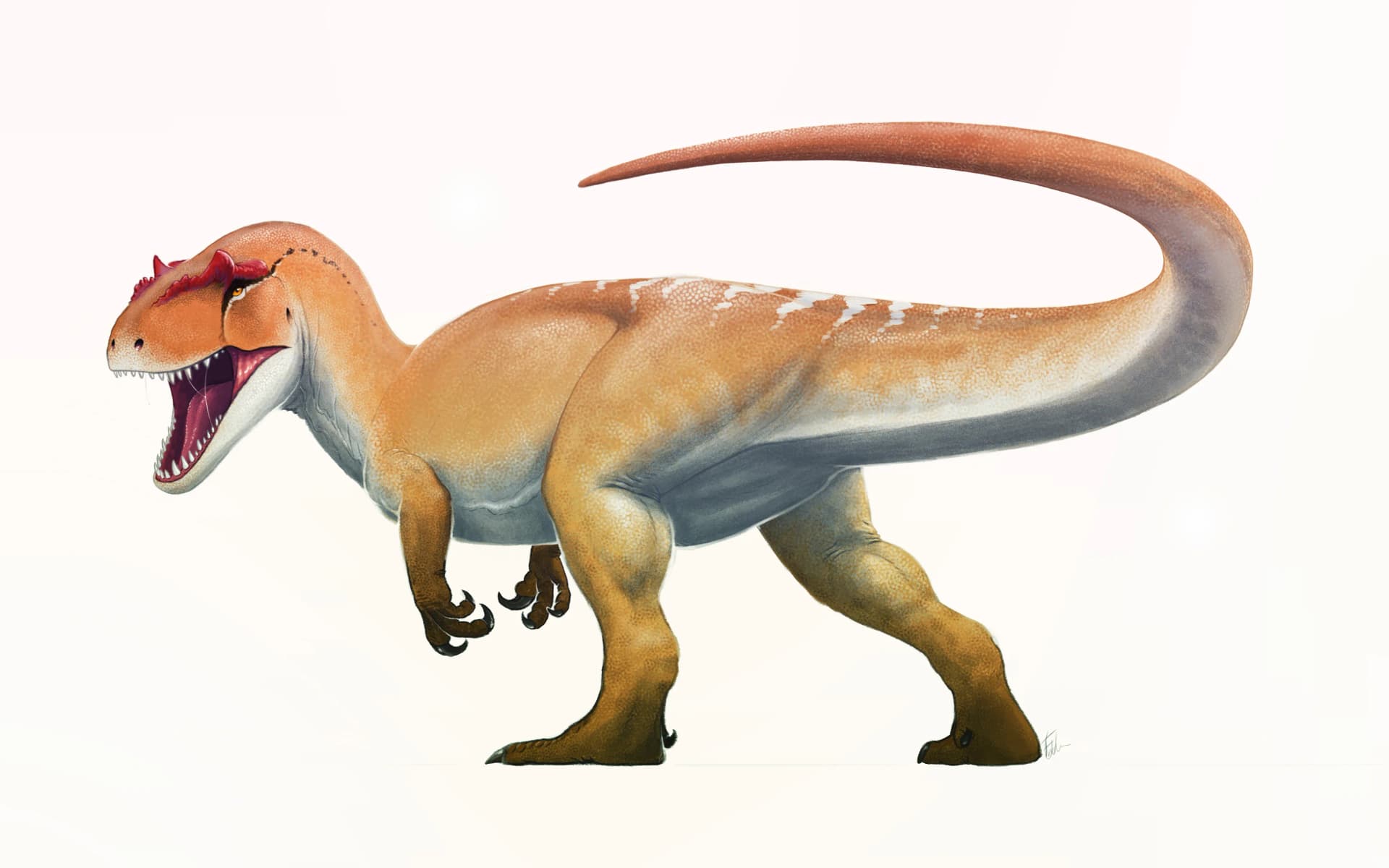
Allosaurus fragilis
Era: Mesozoic
Period: Late Jurassic
Diet: Carnivore
Region: North America, Europe
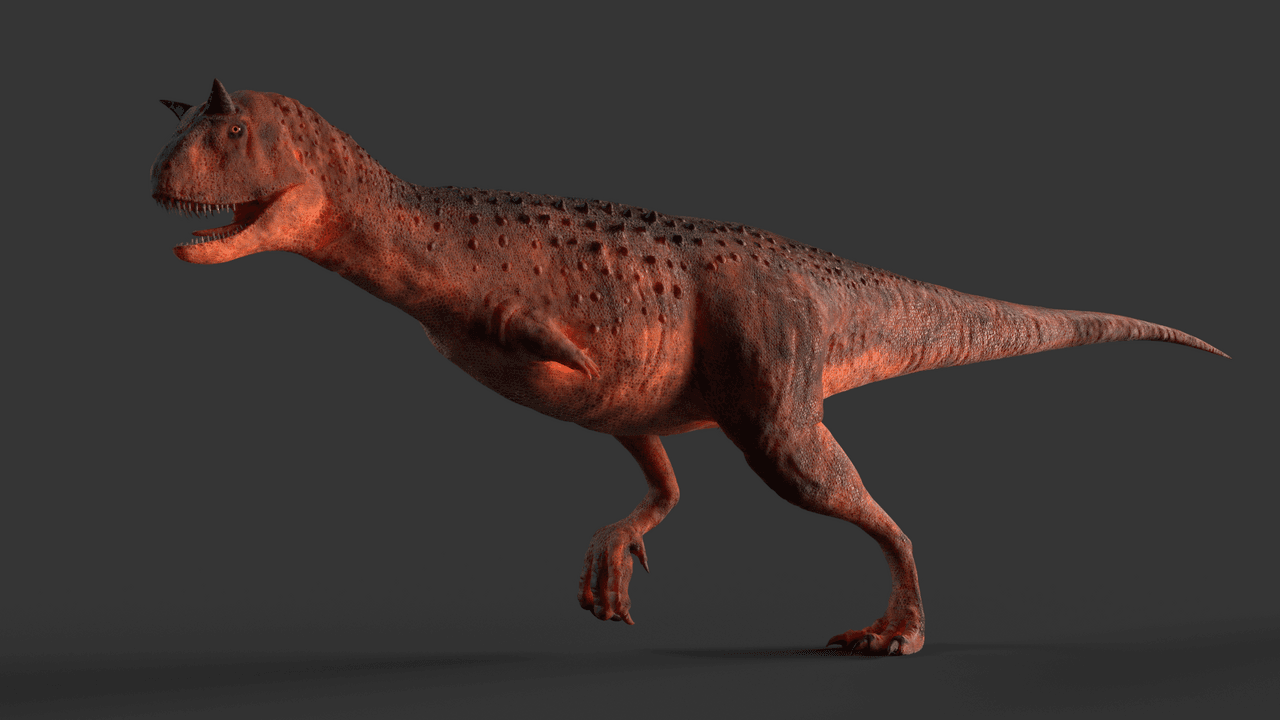
Carnotaurus sastrei
Era: Mesozoic
Period: Late Cretaceous
Diet: Carnivore
Region: South America (Argentina)
| Criterion | Different Lizard | Meat-Eating Bull |
|---|---|---|
| Length | 8.5-9 m m | 7.5-9 m m |
| Height | 3-3.5 m m | 3-3.5 m m |
| Weight | 1.5-2 tonnes t | 1.35-2.1 tonnes t |
| Era | Mesozoic | Mesozoic |
| Diet | Carnivore | Carnivore |
Verdict (physical categories)
Different Lizardleads (2/3)
Note: size is only one factor. Speed, bite force, intelligence and hunting strategy matter too.
Biography coming soon.
Biography coming soon.
No. Allosaurus fragilis lived in North America and Europe in the Late Jurassic (155-150 Ma). Carnotaurus sastrei lived in South America (Patagonia, Argentina) in the Late Cretaceous (72-69 Ma). Separated by 80 million years and distinct continents, they never coexisted.
Carnotaurus sastrei was the fastest of the large carnivorous theropods, with an estimated speed of ~50 km/h. Its hindlimbs with exceptional proportions (short femur, long tibia) resemble those of a modern sprinter. Its arms were the most vestigial of all theropods — practically useless, all its power was in the legs.
Carnotaurus sastrei is the only known theropod with true brow horns — two robust horns above the eyes. Their function remains debated: intraspecific combat (male-male clashes), sexual display or territorial signalling. Too short for hunting, they were not used to attack prey.
Keep exploring paleontology