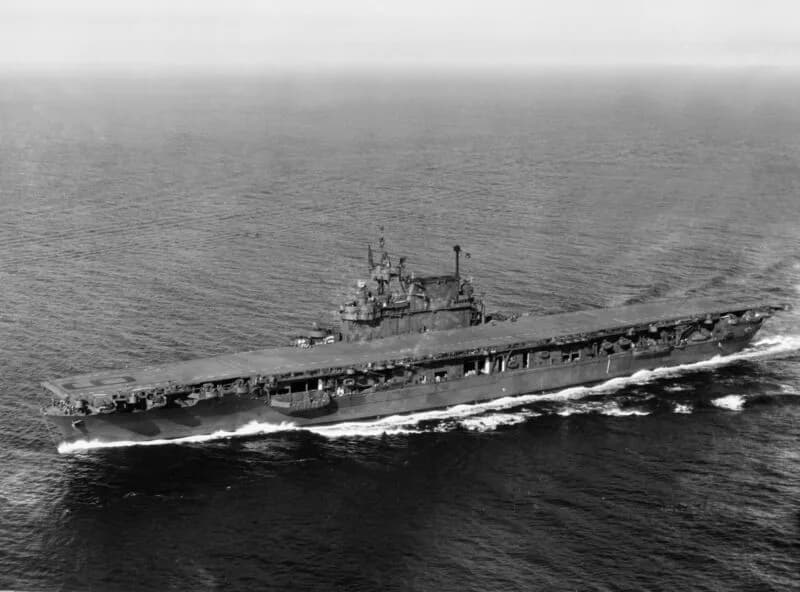
The USS Enterprise (CV-6) is the most decorated aircraft carrier in US Navy history and the most famous ship of World War II. Nicknamed the Big E, it participated in virtually every major naval battle of the Pacific, from Midway to Okinawa.
The USS Enterprise (CV-6) was the sixth aircraft carrier in the US Navy and the second of the Yorktown class. Her keel was laid on July 16, 1934, at Newport News Shipbuilding in Virginia, and she was launched on October 3, 1936. With a displacement of 25,500 tons at full load, a length of 247 meters, and a flight deck width of 33 meters, she represented the state of the art in American interwar naval construction. Her propulsion by eight Babcock & Wilcox boilers and four Parsons turbines developed 120,000 horsepower, giving her a maximum speed of 32.5 knots. She could carry up to 90 aircraft in standard configuration: F4F Wildcat fighters (later F6F Hellcats), SBD Dauntless dive bombers (later SB2C Helldivers), and TBD Devastator torpedo bombers (later TBF Avengers). The crew numbered approximately 2,200 men. Enterprise was commissioned on May 12, 1938, and assigned to the Pacific Fleet at Pearl Harbor, where she operated during fleet exercises in the years before the war.
Enterprise's technical characteristics evolved considerably during the war with multiple upgrades. Her initial configuration included eight 5-inch guns in single mounts for anti-aircraft defense. As combat progressed, anti-aircraft armament was massively reinforced: by 1944, she carried 40 Bofors 40mm guns and 50 Oerlikon 20mm guns, transforming the ship into an anti-aircraft fortress. The 800-foot flight deck enabled continuous air operations, and three elevators connected the hangar to the flight deck. The hydraulic catapult system allowed aircraft launch even in rough seas. Radars, initially absent, were progressively installed: CXAM then SK air search radar, FD fire control radar. Enterprise's damage control system was exemplary and contributed to her survival despite numerous hits received. Her damage control teams repaired the ship at stunning speed, allowing her to return to combat while the Japanese believed her sunk multiple times. Her 32.5-knot speed allowed her to head into the wind for air operations while maintaining her position in the fleet formation.
Enterprise participated in virtually every major naval battle of the Pacific. On December 7, 1941, she was at sea 200 miles from Pearl Harbor, returning from Wake Island — this chance saved her from destruction. Her aircraft were the first to engage the Japanese after the attack. In April 1942, she escorted Colonel Doolittle's B-25 bombers for the famous raid on Tokyo. At the Battle of Midway (June 1942), her SBD Dauntless dive bombers, led by Lieutenant Commander McClusky, sank the Japanese carriers Akagi and Kaga in five minutes, reversing the course of the Pacific War. During the Guadalcanal campaign, she fought at the battles of Eastern Solomons and Santa Cruz, suffering severe damage but remaining operational. In October 1942, when carriers Hornet and Wasp were sunk, Enterprise was temporarily the ONLY operational American carrier in the Pacific. In 1944-1945, she participated in the battles of the Philippines, Iwo Jima, and Okinawa. She was hit by kamikazes three times but survived each attack.
Enterprise did not have variants per se, but her configuration evolved radically during the war. In 1943, she underwent a major modernization at Bremerton that transformed her profile: new tripod mast, SK radar, massive reinforcement of anti-aircraft armament. Her air group also evolved: F4F Wildcats were replaced by the markedly superior F6F Hellcats, TBD Devastators (which had suffered catastrophic losses at Midway) were replaced by TBF Avengers, and SBD Dauntlesses were gradually supplanted by SB2C Helldivers. In 1945, Enterprise was converted to a night carrier with an air group specialized in nighttime operations, a unique capability that allowed her to conduct strikes other carriers could not. This specialization made her an irreplaceable strategic asset. After the war, despite a public campaign to preserve her as a museum ship, Enterprise was decommissioned in 1947 and scrapped in 1958-1960, a decision many naval historians consider a tragedy.
The USS Enterprise is the most decorated ship in US Navy history, receiving 20 battle stars for her World War II service, more than any other American vessel. The Navy Unit Commendation and Presidential Unit Citation recognized her exceptional service. Her nickname Big E became legendary, and Japanese propagandists dubbed her the Grey Ghost because she reappeared in combat when they believed her sunk. Enterprise embodies American resilience in the Pacific: she was hit by bombs in three different battles, struck by three kamikazes, yet always returned to combat. Her participation in the Battle of Midway — the decisive moment when her aviators changed the course of the war in five minutes — is one of the most famous episodes in world naval history. Her legacy lives on through ships bearing her name: the nuclear carrier USS Enterprise (CVN-65), in service from 1961 to 2012, and the future CVN-80. The Big E remains a powerful symbol of American naval power and the sacrifice of the Greatest Generation.
At the Battle of Midway (June 4-7, 1942), USS Enterprise's SBD Dauntless dive bombers, led by Lieutenant Commander McClusky, sank the Japanese carriers Akagi and Kaga in five fatal minutes, reversing the course of the Pacific War. USS Yorktown and USS Hornet contributed to sinking two more Japanese carriers, for a total of four Japanese carriers lost against one American.
Japanese propaganda nicknamed USS Enterprise the 'Grey Ghost' because she reappeared in combat every time they believed her sunk. The Big E was hit by bombs in three different battles and struck three times by kamikazes, but her damage control teams repaired the ship each time at stunning speed. In October 1942, she was temporarily the only operational American carrier in the entire Pacific.
USS Enterprise (CV-6) received 20 battle stars for her World War II service, more than any other American vessel, along with the Presidential Unit Citation and Navy Unit Commendation. Despite a public campaign to preserve her as a museum ship, Enterprise was decommissioned in 1947 and scrapped between 1958 and 1960, a decision many naval historians consider a tragedy.
Information cross-checked against Wikipedia and reference historical works.
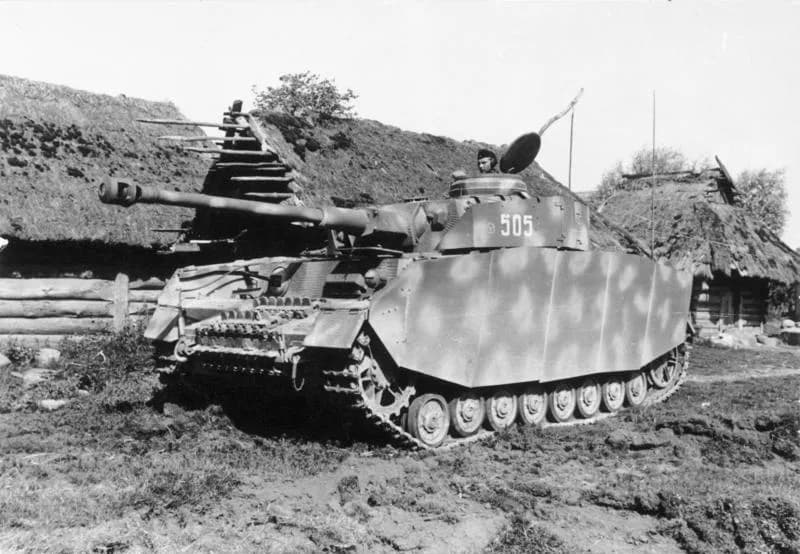
Panzer IV
The Panzerkampfwagen IV was the most produced German medium tank of World War II, with over 8,500 built. Originally designed as an infantry support tank, it evolved into the backbone of the Panzer divisions on every front. It is the only German tank in production from 1939 to 1945.
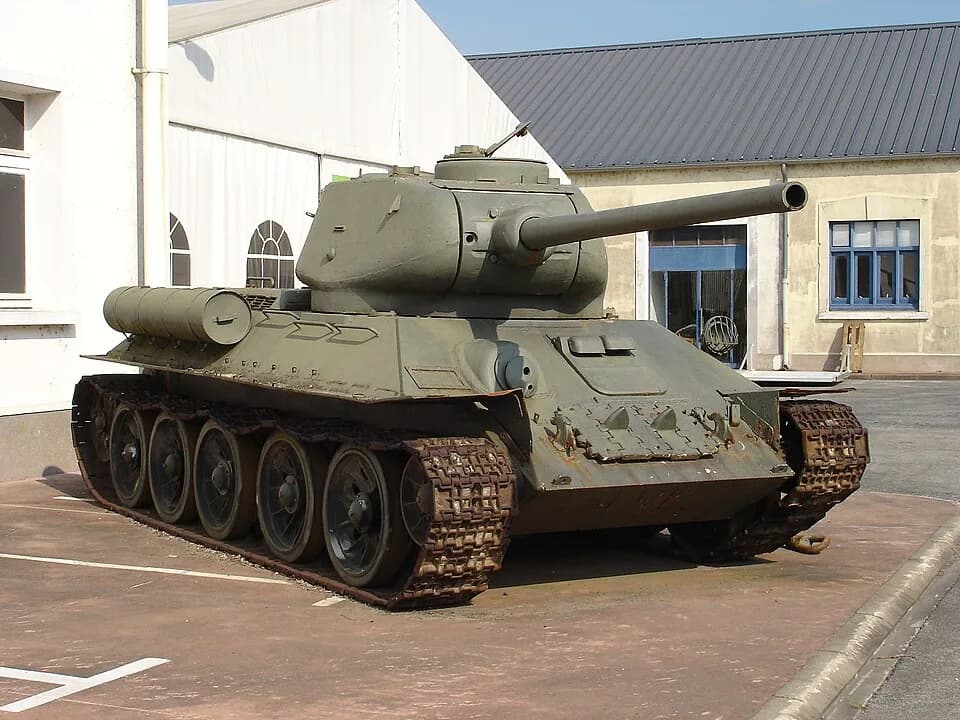
T-34
The T-34 is widely considered the best medium tank of World War II and one of the most influential in military history. Produced in over 84,000 units, its combination of sloped armor, mobility and firepower shocked the Germans in 1941 and shifted the balance of power on the Eastern Front.
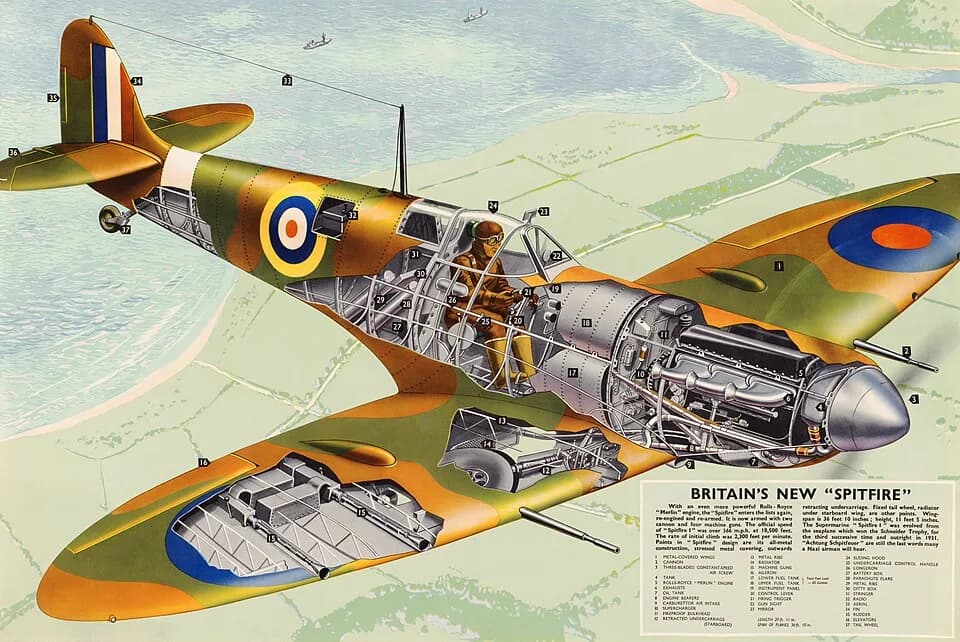
Supermarine Spitfire
The Supermarine Spitfire is the iconic fighter aircraft of the Royal Air Force and a symbol of British resistance during the Battle of Britain. Designed by R.J. Mitchell, its combination of elliptical wings, Rolls-Royce Merlin engine and exceptional agility made it one of the finest fighters of the war.
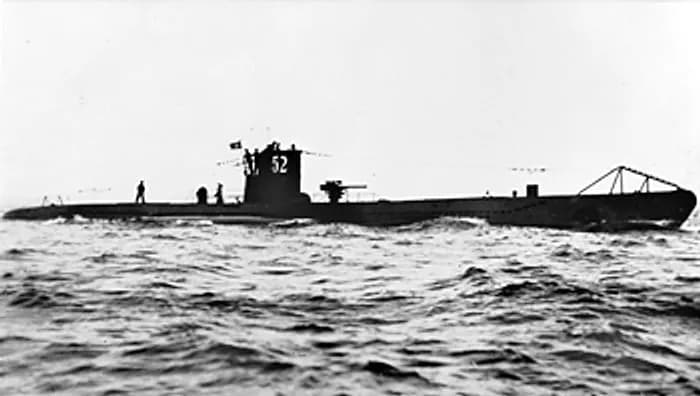
U-Boat Type VII
The Type VII U-boat is the most produced submarine in history with 703 built. The backbone of the Kriegsmarine during the Battle of the Atlantic, these vessels nearly severed the vital supply lines between America and Britain, threatening Great Britain's very survival.
