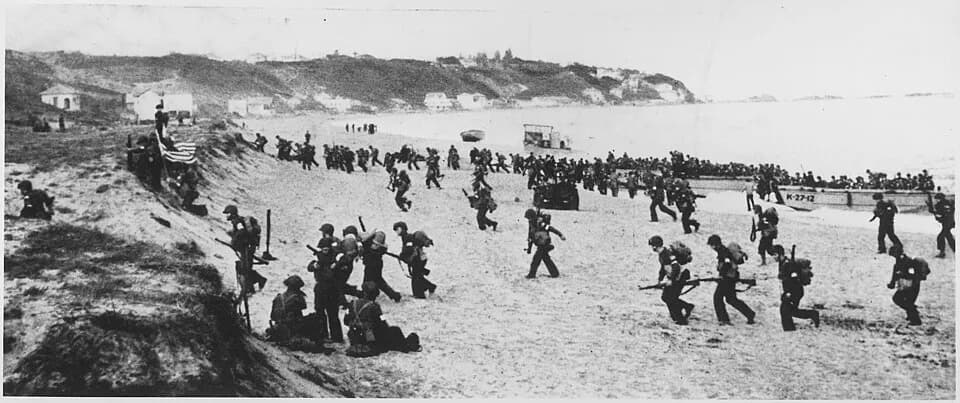
Operation Torch was the Allied landing in French North Africa on November 8, 1942, the first major engagement of American forces against the Axis. This operation marked the beginning of the liberation of the Mediterranean basin and forged the Anglo-American alliance that would lead to victory in Europe.
Torch was born from a strategic compromise between the Allies. The Americans (Marshall, Eisenhower) wanted a landing in France as early as 1942 or 1943, but the British (Churchill, Brooke) considered Allied forces insufficient and preferred a peripheral approach through the Mediterranean. Roosevelt sided with Churchill: American forces needed to fight the Germans somewhere in 1942 for political reasons, including the midterm elections. French North Africa (Morocco, Algeria, Tunisia) was chosen as the target: Rommel's forces would be caught in a pincer between the Torch forces from the west and Montgomery's 8th Army from the east. Eisenhower was named commander in chief. The political question was delicate: North Africa was under Vichy control, and the sentiments of the French forces were uncertain. Secret negotiations were conducted with sympathetic French officers through diplomat Robert Murphy. General Clark carried out a spectacular clandestine mission by submarine near Algiers in October 1942 to meet French contacts and gauge their willingness to support the Allied operation.
On November 8, 1942, three amphibious forces converged simultaneously on North Africa. The Western Task Force under Patton landed in Morocco (Casablanca, Port Lyautey, Safi) after a direct transatlantic crossing from the United States — an unprecedented logistical feat. The Center Task Force under Fredendall struck Oran in Algeria. The Eastern Task Force under Ryder, with a strong British component, targeted Algiers. French resistance varied considerably: in Algiers, the coup by the resistance group known as the 'Forty' neutralized the Vichy authorities and fighting ceased quickly. In Oran, resistance was more serious, lasting three days of combat. In Morocco, the fighting was the heaviest, particularly at sea where the French navy at Casablanca engaged the American fleet. Admiral Darlan, commander of Vichy forces who happened to be in Algiers, negotiated a ceasefire on November 10 after some hesitation. Hitler retaliated by invading the Free Zone of France through Operation Anton and by rushing troops into Tunisia by air to establish a defensive perimeter.
Operation Torch committed 107,000 soldiers in the first wave, transported by 350 warships and 500 transports — the largest amphibious fleet assembled up to that date. The forces were predominantly American, as it was hoped that the Vichy French, still bitter over the British attack at Mers-el-Kebir, would resist Americans less than they would the British. The Western Task Force fielded 35,000 men with 250 tanks. The Center Task Force committed 39,000 men. The Eastern Task Force deployed 33,000 men with a significant British component. The U.S. Navy provided massive naval cover including 3 battleships, 7 aircraft carriers, and 8 cruisers. The Vichy French forces in North Africa numbered approximately 120,000 soldiers, but their willingness to fight was uncertain and their equipment obsolete. The French navy at Casablanca included the unfinished battleship Jean Bart, which was scuttled in port, along with cruisers and destroyers. After the ceasefire, French forces gradually joined the Allies and would form the nucleus of the French Liberation Army.
Torch was a strategic success despite tactical difficulties. French North Africa was conquered in eight days with relatively modest losses: approximately 1,400 Allied and 1,300 French killed. However, the race to Tunisia failed: the Germans, reacting with their characteristic speed, airlifted troops to Tunis and Bizerte and established a bridgehead before the Allies could arrive. The subsequent Tunisia Campaign lasted six additional months from November 1942 to May 1943, including the humiliating defeat at Kasserine Pass in February 1943 where inexperienced American troops were routed by the Afrika Korps. Politically, the deal with Darlan, a former Vichy collaborator, scandalized Allied public opinion and the Gaullists, but proved pragmatically effective in securing a swift ceasefire. Darlan's assassination on December 24, 1942, simplified the political situation considerably. The de Gaulle-Giraud rivalry was gradually resolved in favor of de Gaulle.
Torch had a considerable impact on the course of the war. It opened the Mediterranean basin to the Allies, relieved besieged Malta, and led to the surrender of 250,000 Axis soldiers in Tunisia in May 1943 — more than at Stalingrad. It served as a springboard for the invasions of Sicily in July 1943 and Italy in September 1943, which triggered the fall of Mussolini. For American forces, it was a crucial baptism of fire: the mistakes made in North Africa in command, tactics, and logistics were corrected before the landings in Europe. Eisenhower, Bradley, and Patton gained the combat experience that would prepare them for Overlord. Torch also laid the foundations of inter-Allied cooperation, with an integrated Anglo-American command that would serve as the model for SHAEF. Finally, it enabled the rallying of French North African forces — 250,000 men who would form the French Liberation Army and participate in the campaigns in Italy, Provence, and Germany.
Operation Torch took place on November 8, 1942 in French North Africa, with three simultaneous landings in Morocco (Patton) and Algeria at Oran (Fredendall) and Algiers (Ryder). Eisenhower commanded the entire operation. In total, 107,000 soldiers landed in the first wave, transported by 350 warships and 500 transports — the largest amphibious fleet assembled to that date.
French North Africa was conquered in eight days with approximately 1,400 Allied and 1,300 French killed. But the race to Tunisia failed: Germany airlifted troops to Tunis before the Allies arrived. The Tunisia Campaign lasted six additional months, including the defeat at Kasserine Pass in February 1943. It concluded with the surrender of 250,000 Axis soldiers in May 1943 — more than Stalingrad.
The deal with Admiral Darlan, a former senior Vichy official who happened to be in Algiers, scandalized Allied public opinion and Gaullists because it legitimized a notorious collaborator. However, it secured a swift ceasefire on November 10, 1942 and the rallying of French North African forces. Darlan's assassination on December 24, 1942 simplified the political situation and opened the path for de Gaulle over Giraud.
Information cross-checked against Wikipedia and reference historical works.
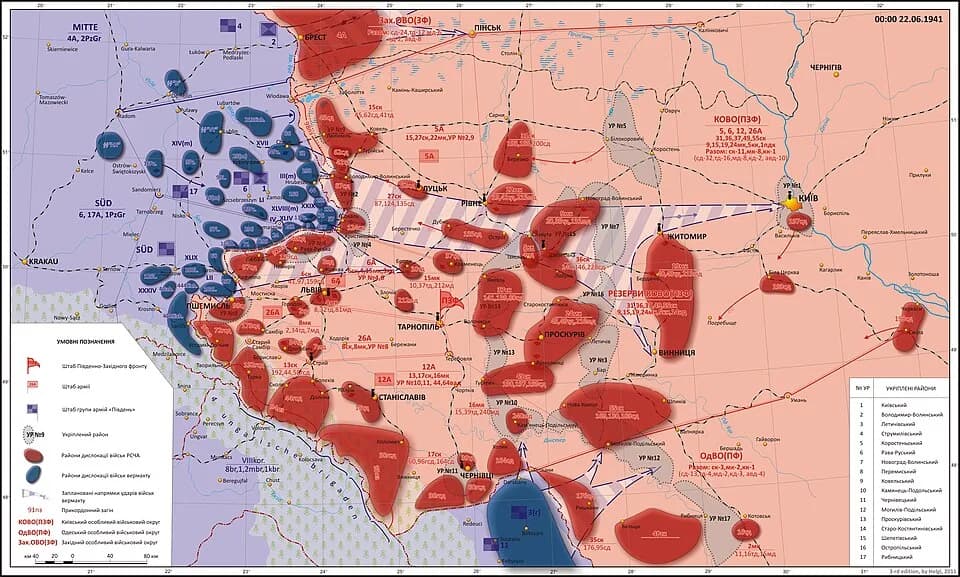
Operation Barbarossa
Operation Barbarossa was Nazi Germany's invasion of the Soviet Union, the largest military operation in history. With 3.8 million soldiers engaged, it opened the Eastern Front and was Hitler's fatal strategic error that led to the destruction of the Third Reich.
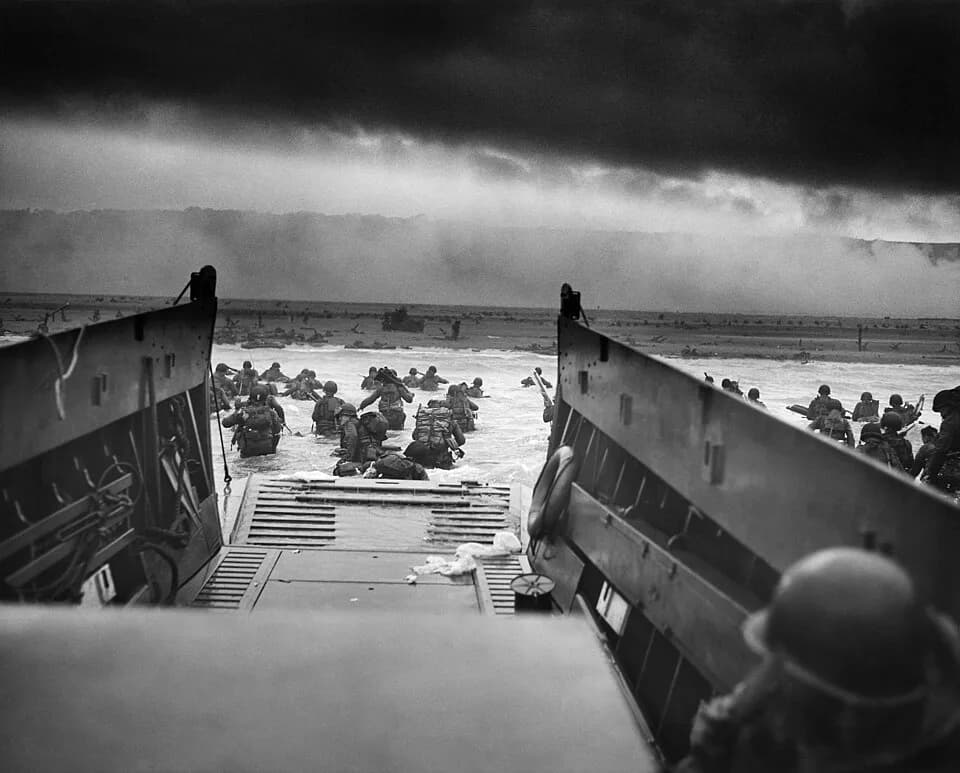
Operation Overlord
Operation Overlord was the code name for the Battle of Normandy, the largest amphibious operation in history. From the D-Day landings to the liberation of Paris, this 80-day campaign opened the second front in Europe and marked the beginning of the end for Nazi Germany.
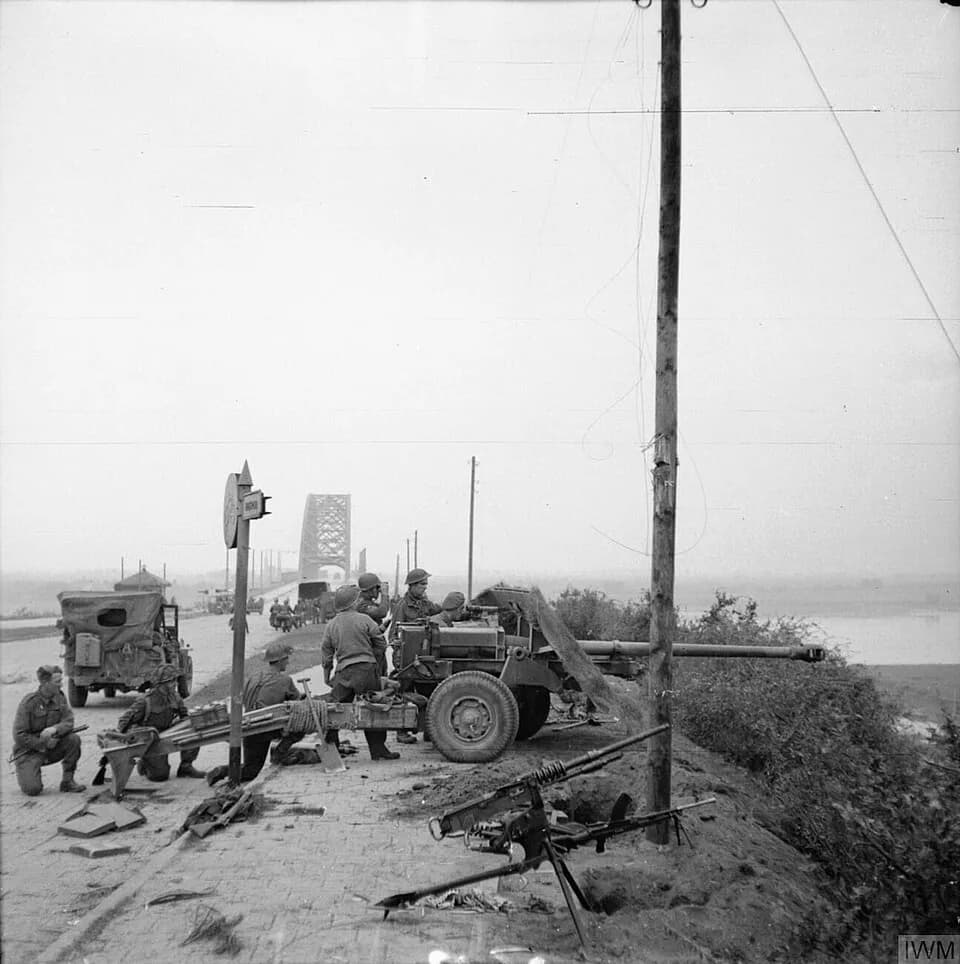
Operation Market Garden
Operation Market Garden was the largest airborne operation in history, aiming to capture a series of bridges in the Netherlands to allow Allied armor to bypass the Siegfried Line and invade Germany. Its failure at Arnhem prolonged the war by several months.
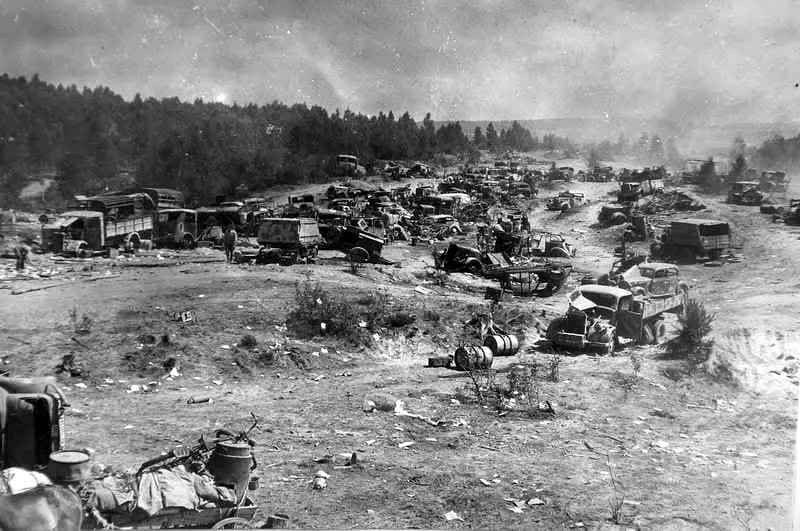
Operation Bagration
Operation Bagration was the Soviet offensive that destroyed the German Army Group Center in Belarus during the summer of 1944. More devastating than Stalingrad, it annihilated 28 German divisions and advanced 600 km in two months, liberating Belarus and reaching the gates of Warsaw.
