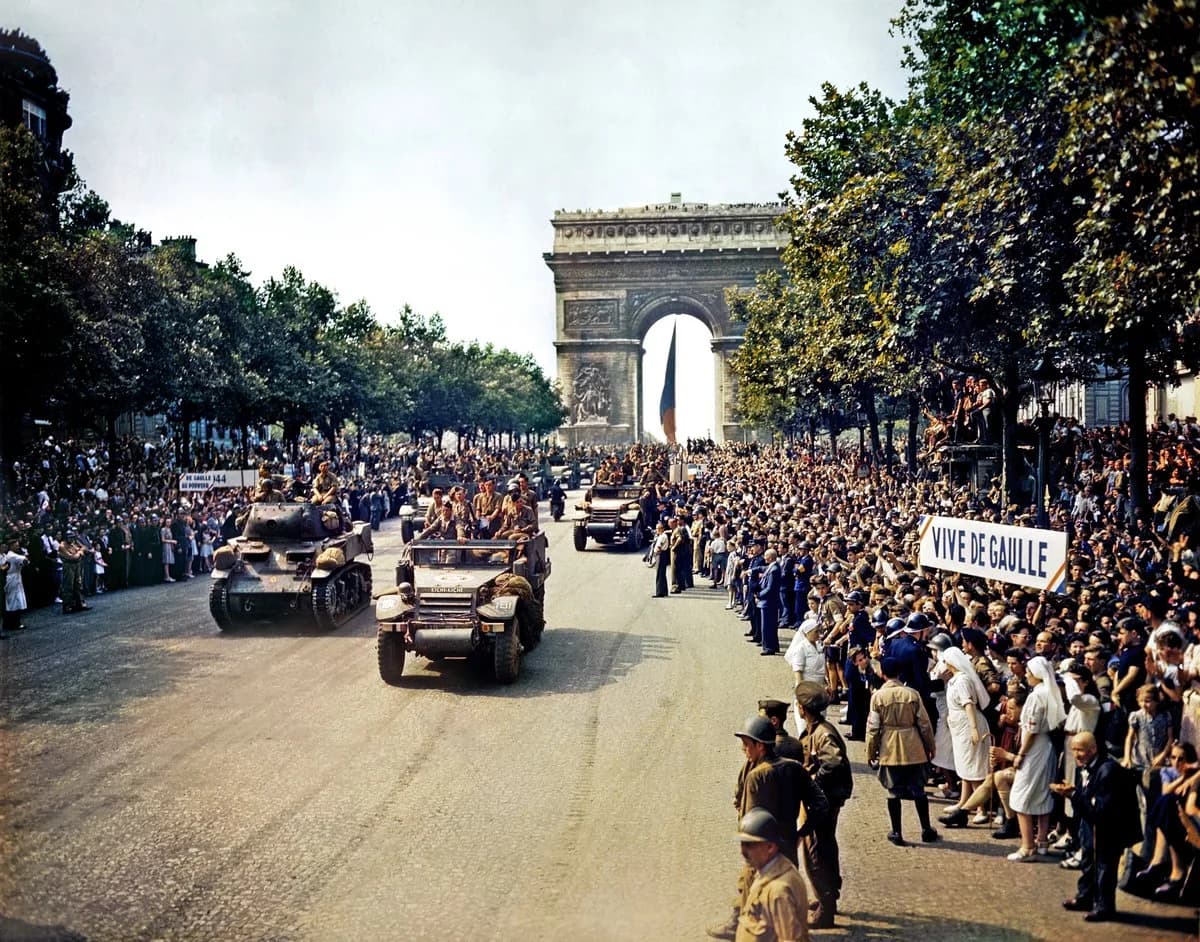
France went through one of the most complex and painful ordeals of World War II: a crushing defeat in 1940, German occupation, the collaborationist Vichy regime, but also an internal resistance and a share in the Liberation battles alongside the Allies. The country was fought over, divided and occupied for four years.
France entered the war on September 3, 1939, by declaring war on Germany after the invasion of Poland, in accordance with its alliance commitments. The French army was then considered the most powerful in Europe, with 5 million men available for mobilization, the supposedly impregnable Maginot Line, and an arsenal of 3,000 tanks. Yet France suffered from deep weaknesses: a military doctrine frozen in the lessons of 1918 favoring static defense, an aging command under Marshal Gamelin, and a society deeply divided between left and right. The Phoney War (September 1939 - May 1940) saw French and British armies remain inactive behind the Maginot Line for eight months while Germany conquered Poland, then Denmark and Norway. This inaction sapped troop and civilian morale. On May 10, 1940, Germany launched its western offensive, and in six weeks, France, supposedly invincible, collapsed in the greatest military catastrophe in its history.
France's collapse in May-June 1940 constituted an unprecedented national trauma. Panzer divisions broke through at Sedan on May 13, bypassing the Maginot Line through the Ardennes, deemed impassable. The breakthrough cut Allied armies in two, trapping Franco-British forces in a pocket around Dunkirk. After the evacuation of 340,000 soldiers to England, the Germans resumed their advance on June 5. Paris was declared an open city and occupied on June 14. The government fled to Bordeaux. Marshal Philippe Pétain, 84-year-old hero of Verdun, was appointed head of government on June 16 and requested an armistice, signed on June 22, 1940, in the same railway carriage at Compiègne where the 1918 armistice had been signed. France was divided into an occupied zone in the north and a so-called free zone in the south, administered by the Vichy regime under Pétain's authority. State collaboration with Nazi Germany, formalized at the Montoire meeting between Pétain and Hitler on October 24, 1940, permanently stained national honor. The Vichy regime actively participated in the persecution of Jews, culminating in the Vel d'Hiv roundup on July 16, 1942, when 13,000 Parisian Jews were arrested by French police.
Against occupation and collaboration, the French Resistance organized progressively. On June 18, 1940, General Charles de Gaulle launched his call to resistance from London over the BBC airwaves, founding the Free French Forces (FFL). The FFL fought alongside the Allies on every front: in Africa (Bir Hakeim, 1942), Italy (Monte Cassino, Garigliano), then France with General Leclerc's 2nd Armored Division and General de Lattre de Tassigny's 1st Army. Internally, the Resistance organized into networks and movements: Combat, Libération, Franc-Tireur in the south; Ceux de la Résistance, Défense de la France in the north. Jean Moulin, sent by de Gaulle, unified these movements within the National Council of the Resistance (CNR) in May 1943 before being arrested and killed by Klaus Barbie's Gestapo. The maquis, notably in Vercors, Glières, and the Massif Central, waged guerrilla warfare against the occupier. The French Forces of the Interior (FFI) numbered approximately 400,000 fighters at the time of the Liberation.
France's liberation began with the Normandy landings on June 6, 1944, and the Provence landings on August 15, 1944. Paris was liberated on August 25, 1944, by Leclerc's 2nd Armored Division and the Parisian FFI insurrection. De Gaulle walked down the Champs-Élysées on August 26 in a moment of intense national emotion. The purge that followed Liberation was both legal and savage: approximately 10,000 people were killed in extrajudicial purges, thousands of women were shaved for horizontal collaboration, and official courts handed down approximately 7,000 death sentences (of which fewer than 800 were carried out). Pétain was sentenced to death but his sentence was commuted to life imprisonment by de Gaulle. Pierre Laval was shot. The human cost of the war for France was heavy: approximately 567,000 dead including 350,000 civilians, 76,000 Jews deported of whom only 2,500 survived, entire cities destroyed such as Saint-Lô, Caen, and Le Havre.
World War II profoundly shaped contemporary French national identity. Gaullism, an ideology founded on national independence and the refusal of submission, was born from this experience. De Gaulle forged the resistancialist myth — the idea that all of France had resisted, minimizing collaboration — which structured national memory until the 1970s. Marcel Ophüls' film The Sorrow and the Pity (1971) and historian Robert Paxton's work (Vichy France, 1972) shattered this myth by revealing the extent of collaboration. In 1995, President Jacques Chirac recognized for the first time the responsibility of the French state in the deportation of Jews. The CNR's March 1944 program, which planned for Social Security, nationalizations, and women's suffrage, was implemented after the Liberation and constitutes the foundation of today's French social model. Franco-German reconciliation, initiated by de Gaulle and Adenauer with the Élysée Treaty in 1963, is one of the most positive and lasting consequences of this devastating conflict.
The French army had 5 million mobilizable soldiers and 3,000 tanks in May 1940, but suffered from a doctrine frozen in 1918 lessons favoring static defense. The German breakthrough at Sedan on May 13, 1940, through the supposedly impassable Ardennes, bypassed the Maginot Line and cut off Allied armies in Belgium. Paris was occupied on June 14. Marshal Philippe Pétain signed the armistice on June 22 in the same railway carriage at Compiègne as in 1918.
The Vichy regime actively participated in the persecution of Jews. The culminating point was the Vel d'Hiv roundup on July 16, 1942, organized by the French police: 13,000 Parisian Jews were arrested. In total, 76,000 Jews were deported from France, of whom only 2,500 survived. In 1995, President Jacques Chirac acknowledged for the first time the responsibility of the French state in these deportations, breaking the resistancialist myth forged by de Gaulle.
The French Forces of the Interior (FFI) numbered approximately 400,000 fighters at the time of the Liberation in 1944. The internal Resistance had organized into networks such as Combat, Libération, Franc-Tireur in the south, and Ceux de la Résistance in the north. Jean Moulin, sent by de Gaulle, had unified these movements within the National Council of the Resistance in May 1943, before being arrested and killed by Klaus Barbie's Gestapo.
Information cross-checked against Wikipedia and reference historical works.
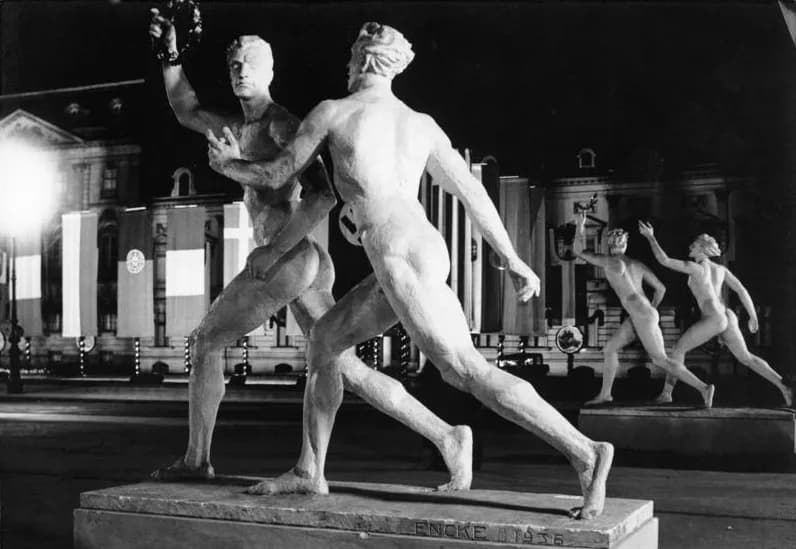
Nazi Germany
The Third Reich, led by Adolf Hitler from 1933 to 1945, plunged the world into World War II and perpetrated the Holocaust, causing tens of millions of deaths before its unconditional surrender in May 1945. Born of Hitler's appointment as chancellor on 30 January 1933, the regime dismantled the Weimar Republic within months and turned Germany into a one-party state.
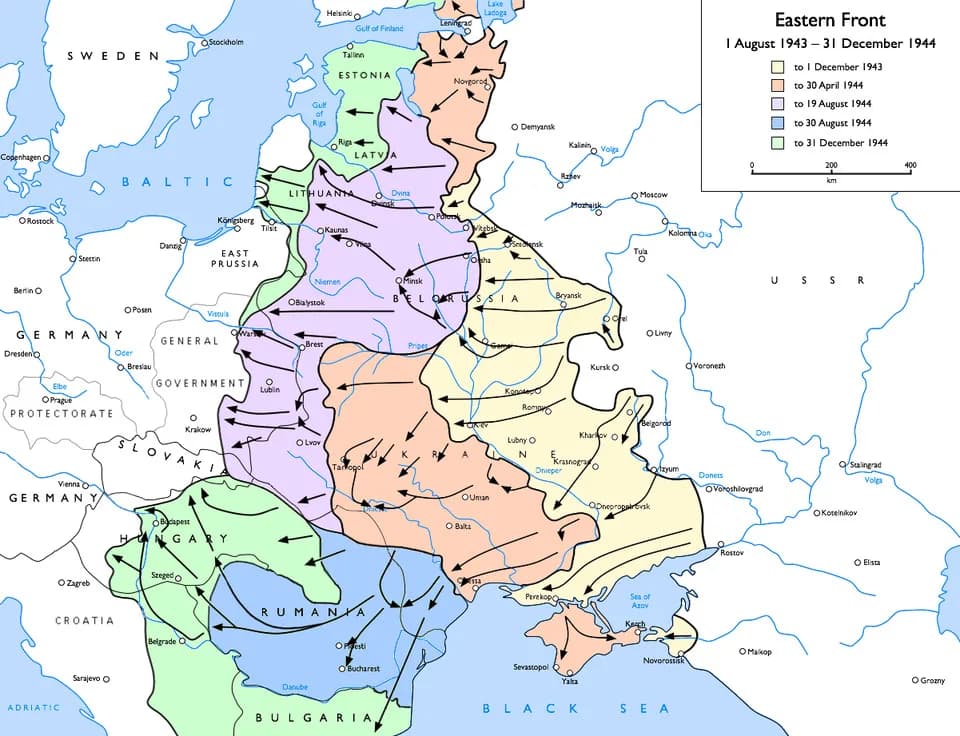
Soviet Union
The Union of Soviet Socialist Republics, led by Joseph Stalin during World War II, played a decisive role in the defeat of Nazi Germany at the cost of 27 million dead, the heaviest losses of the entire conflict. Its factories were moved beyond the Urals in 1941 to keep producing.
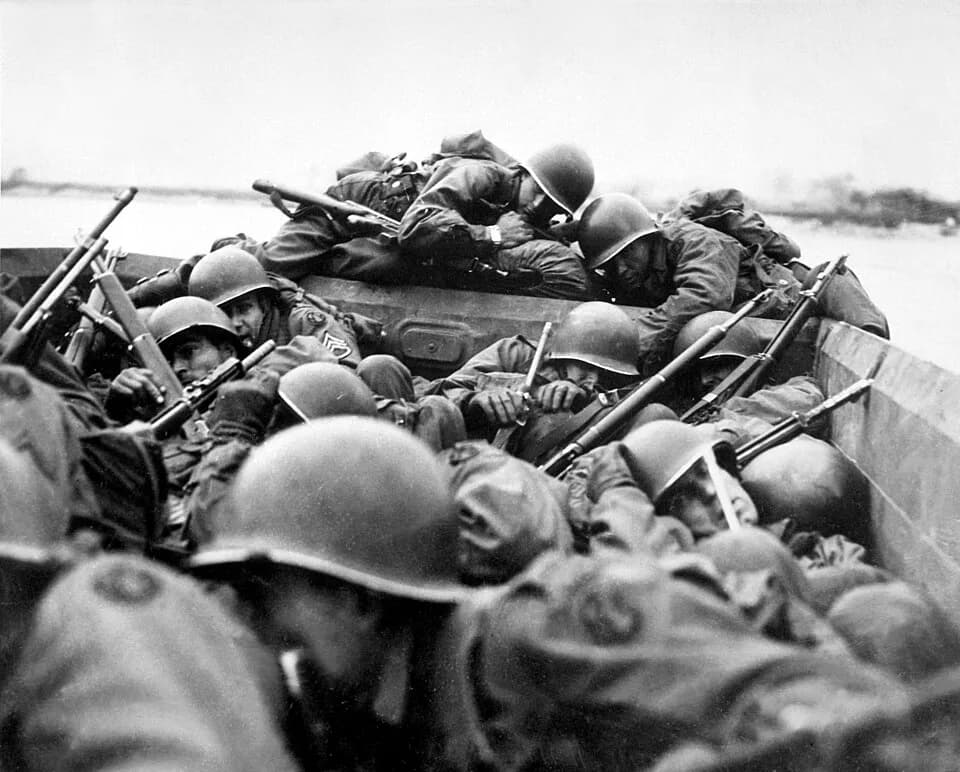
United States
The United States, drawn into the war after the attack on Pearl Harbor on 7 December 1941, became the arsenal of democracy and the decisive industrial and military power that helped the Allies to victory on both theatres of operations. Its war production alone exceeded that of all the Axis powers combined.
United Kingdom
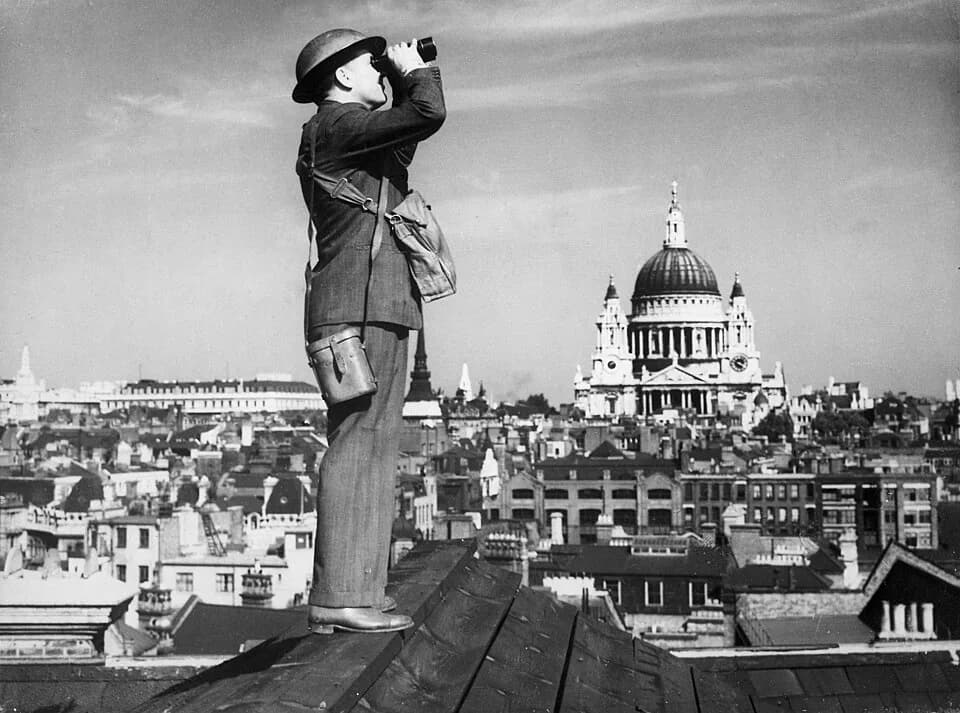
The United Kingdom of Great Britain and Northern Ireland, led by Winston Churchill from May 1940, was the only major European power to fight Nazi Germany without interruption from September 1939 to May 1945. For a year after the fall of France, it stood alone against the Axis in Europe.
