
About Deinonychus
Biography coming soon.
Paleontological Comparison
The real 'Velociraptor' from Jurassic Park vs the miniature original.
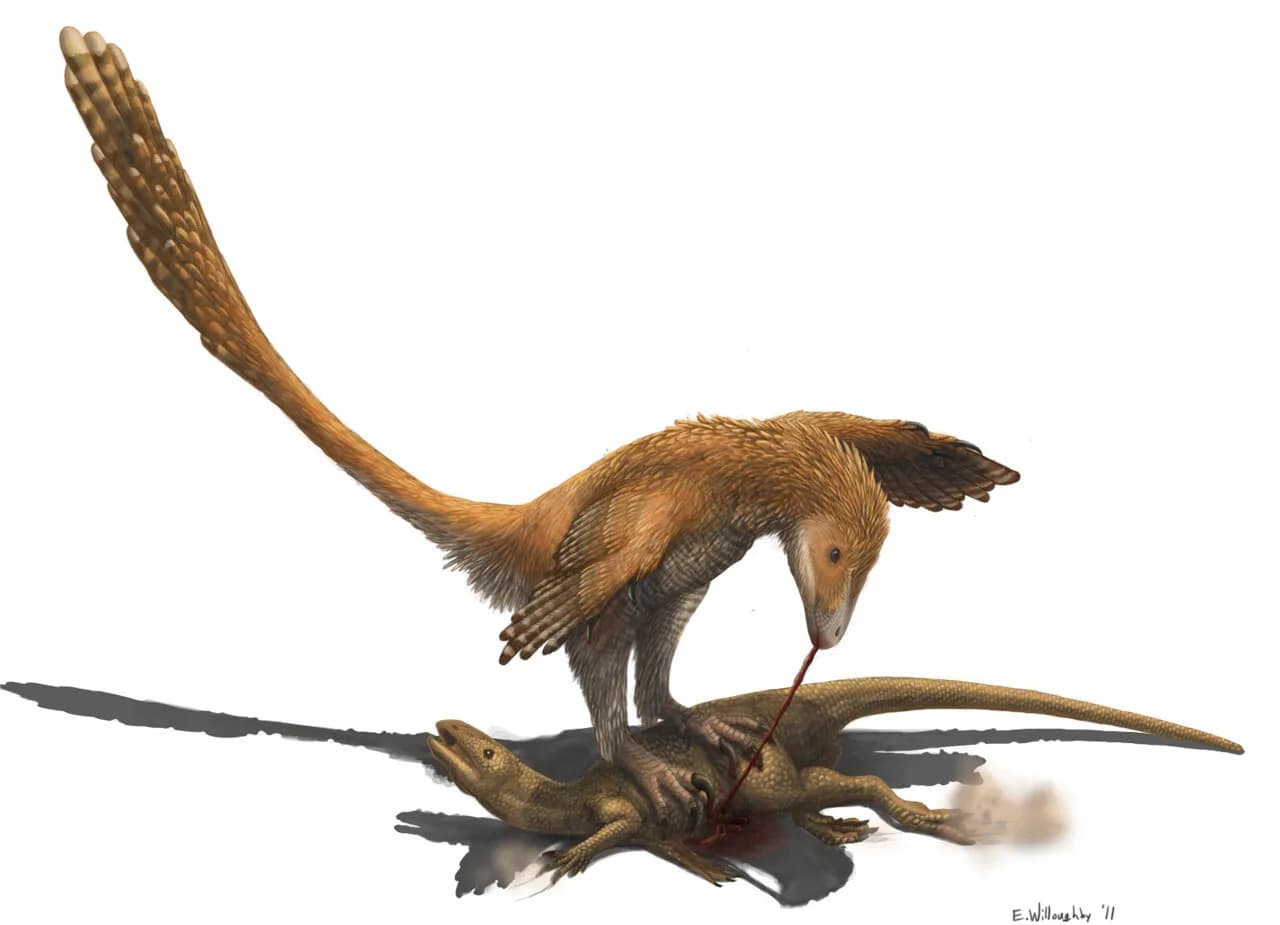
Deinonychus antirrhopus
Era: Mesozoic
Period: Early Cretaceous (Aptien–Albien)
Diet: Carnivore
Region: North America (Montana, Wyoming, Oklahoma)
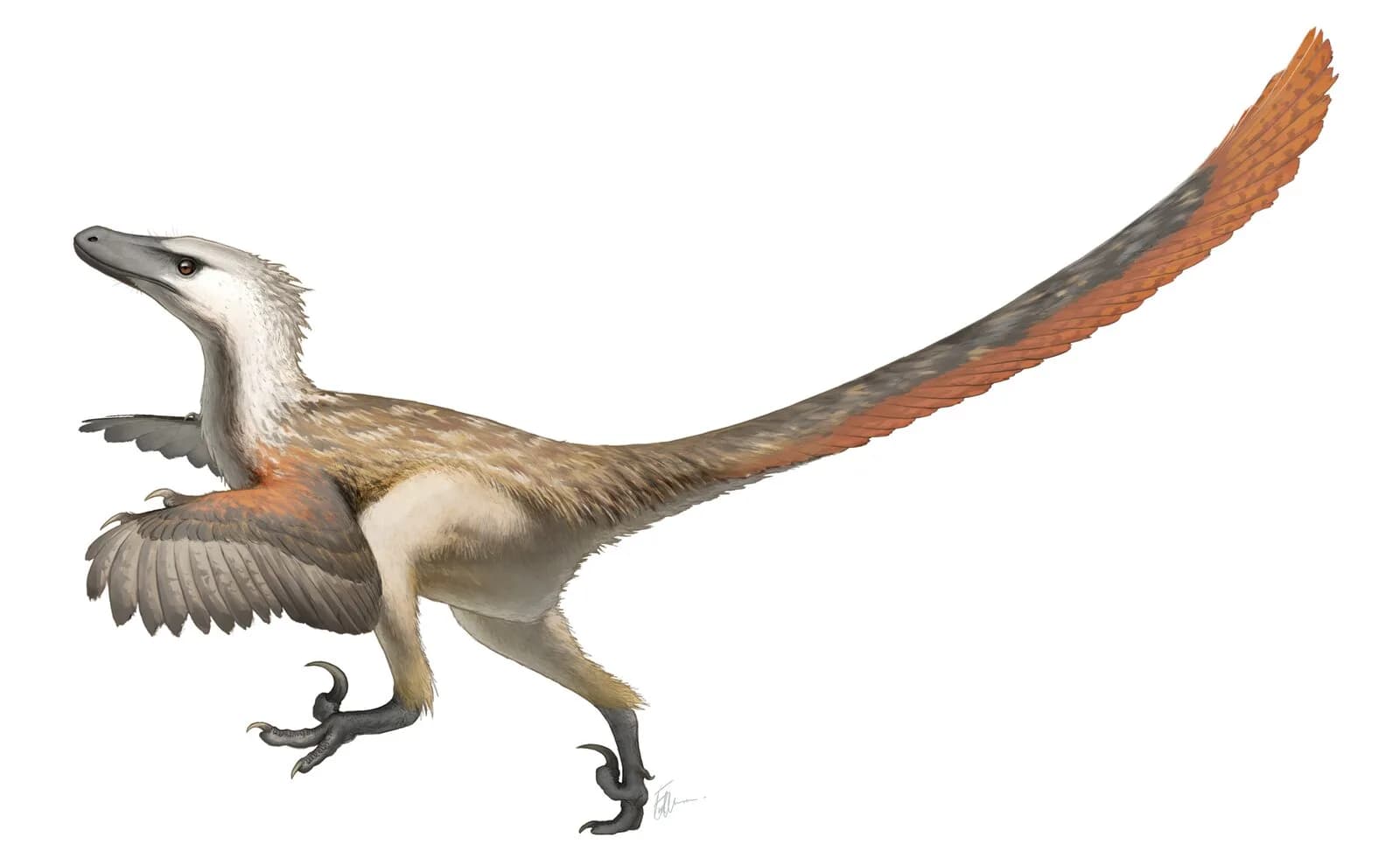
Velociraptor mongoliensis
Era: Mesozoic
Period: Late Cretaceous (Campanien)
Diet: Carnivore
Region: Central Asia (Mongolie, Chine)
| Criterion | Deinonychus | Velociraptor |
|---|---|---|
| Length | 3.4 m m | 1.8–2 m m |
| Height | ~0.9 m m | ~0.5 m m |
| Weight | 70–80 kg t | 15–20 kg t |
| Era | Mesozoic | Mesozoic |
| Diet | Carnivore | Carnivore |
Verdict (physical categories)
Deinonychusleads (3/3)
Note: size is only one factor. Speed, bite force, intelligence and hunting strategy matter too.
Biography coming soon.
Biography coming soon.
Largely, yes. Michael Crichton was inspired by Deinonychus antirrhopus (3.4 m, 70 kg) to create his raptors, but gave them the name Velociraptor. At the time of the novel's writing (1990), both species were sometimes grouped in the same genus by some palaeontologists, creating the confusion.
Velociraptor mongoliensis measured about 1.8 metres long and 15-20 kg — the size of a large feathered turkey. Deinonychus antirrhopus was 2× larger (3.4 m, 70 kg). Both bore feathers and a retractable sickle claw on the second toe, used to pin prey rather than disembowel them.
Considerably. Deinonychus reached 3.4 metres and 70 to 80 kilograms, while Velociraptor topped out at 1.8–2 metres and 15 to 20 kilograms — the size of a large turkey. Both were feathered and carried the retractable second-toe claw, but a Deinonychus weighed roughly four times what a Velociraptor did.
Keep exploring paleontology