
About Brachiosaurus
Biography coming soon.
Paleontological Comparison
The tall vertical neck vs the long horizontal tail.
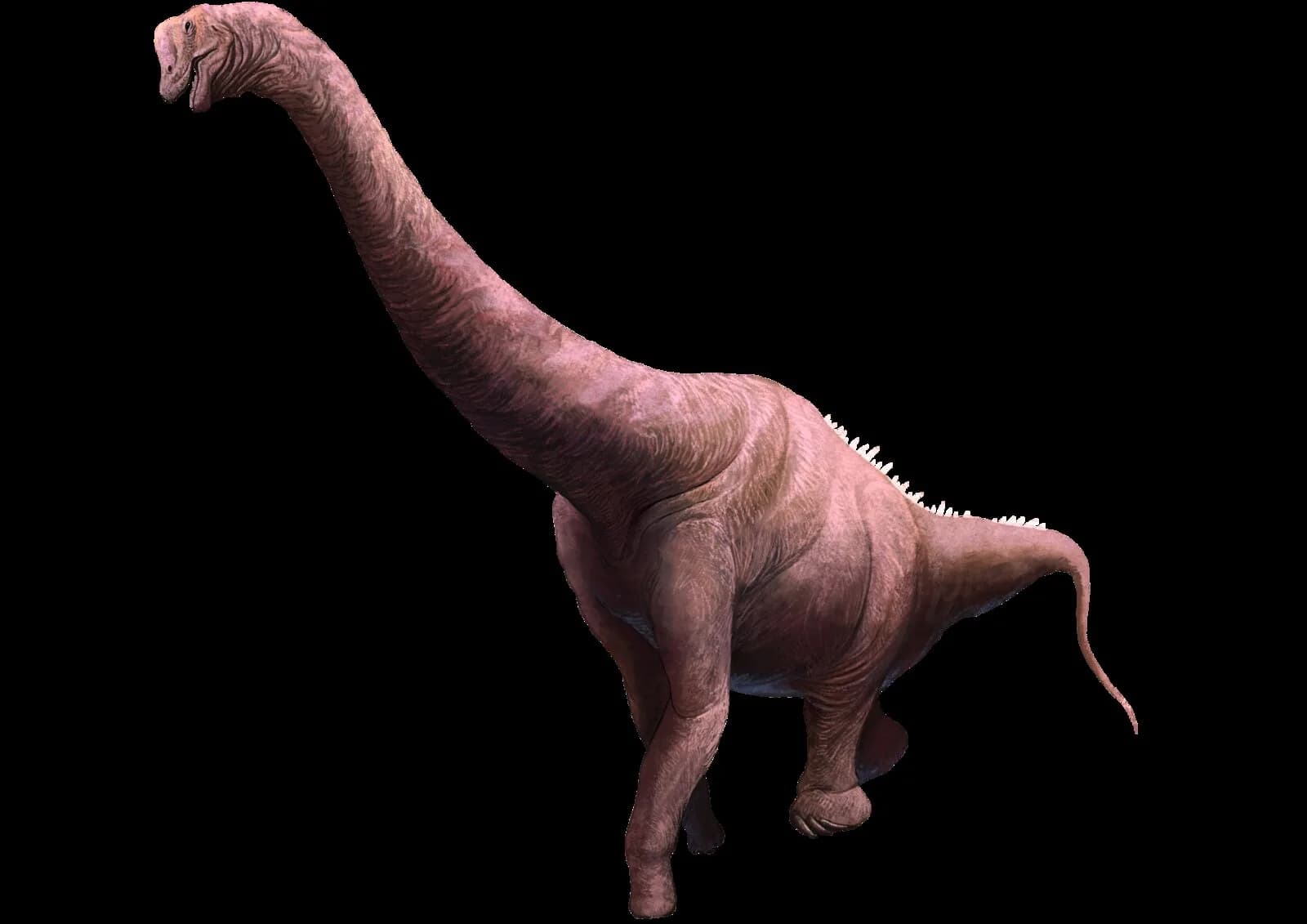
Brachiosaurus altithorax
Era: Mesozoic
Period: Late Jurassic (Kimméridgien–Tithonien)
Diet: Herbivore
Region: North America (Colorado, Wyoming)
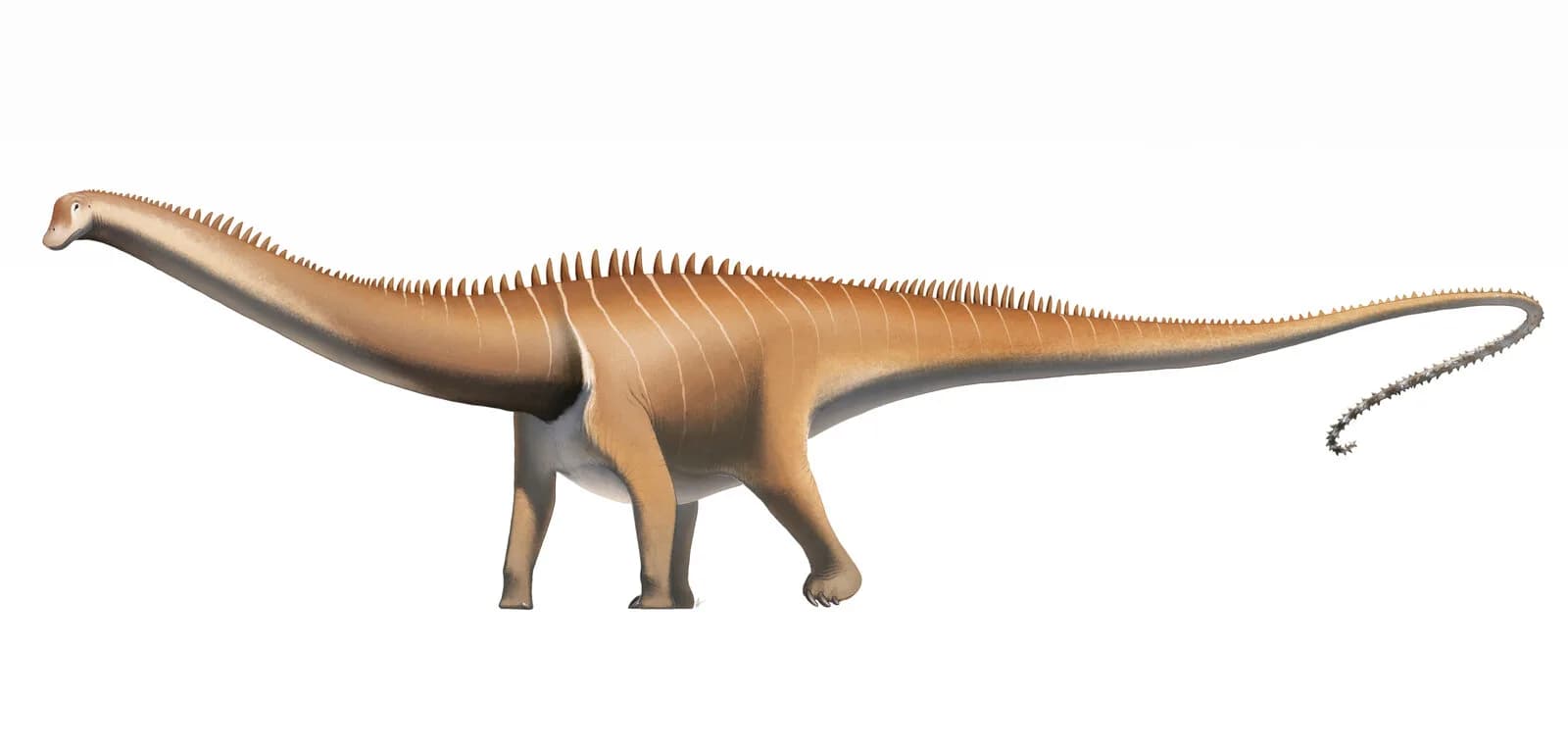
Diplodocus carnegii
Era: Mesozoic
Period: Late Jurassic
Diet: Herbivore
Region: North America (Wyoming, Colorado, Utah)
| Criterion | Brachiosaurus | Diplodocus |
|---|---|---|
| Length | 20–26 m m | 24–27 m m |
| Height | ~9–13 m m | ~4–5 m (épaules) m |
| Weight | 28 000–58 000 kg t | 10 000–16 000 kg t |
| Era | Mesozoic | Mesozoic |
| Diet | Herbivore | Herbivore |
Verdict (physical categories)
Brachiosaurusleads (2/3)
Note: size is only one factor. Speed, bite force, intelligence and hunting strategy matter too.
Biography coming soon.
Biography coming soon.
Brachiosaurus altithorax (21-26 m, 30-50 t) had forelimbs longer than hindlimbs, raising the head to 17 metres to browse treetops. Diplodocus carnegii (26-32 m, 10-16 t) was longer but much lighter, with a horizontal neck and whip tail. Both lived in North America in the Late Jurassic in the Morrison Formation.
This is a serious hypothesis advanced by Philip Currie et al. (1997). Diplodocus carnegii's tail, measuring up to 14 metres, may have functioned as a kinetic whip: the tip progressively accelerating to break the sound barrier (~1200 km/h), creating a sonic crack. Defensive function or social communication are the main hypotheses.
Little, in fact. Both come from the Morrison Formation, around 154 to 150 million years ago, and browsed at different heights: Brachiosaurus, neck raised and shoulders high, reached the conifer canopy; Diplodocus, neck closer to horizontal, swept ferns and low branches. Splitting the levels let them share the same ground.
Keep exploring paleontology