
About Tyrant Lizard King
Biography coming soon.
Paleontological Comparison
Crushing jaws vs bony armor — an unequal duel?
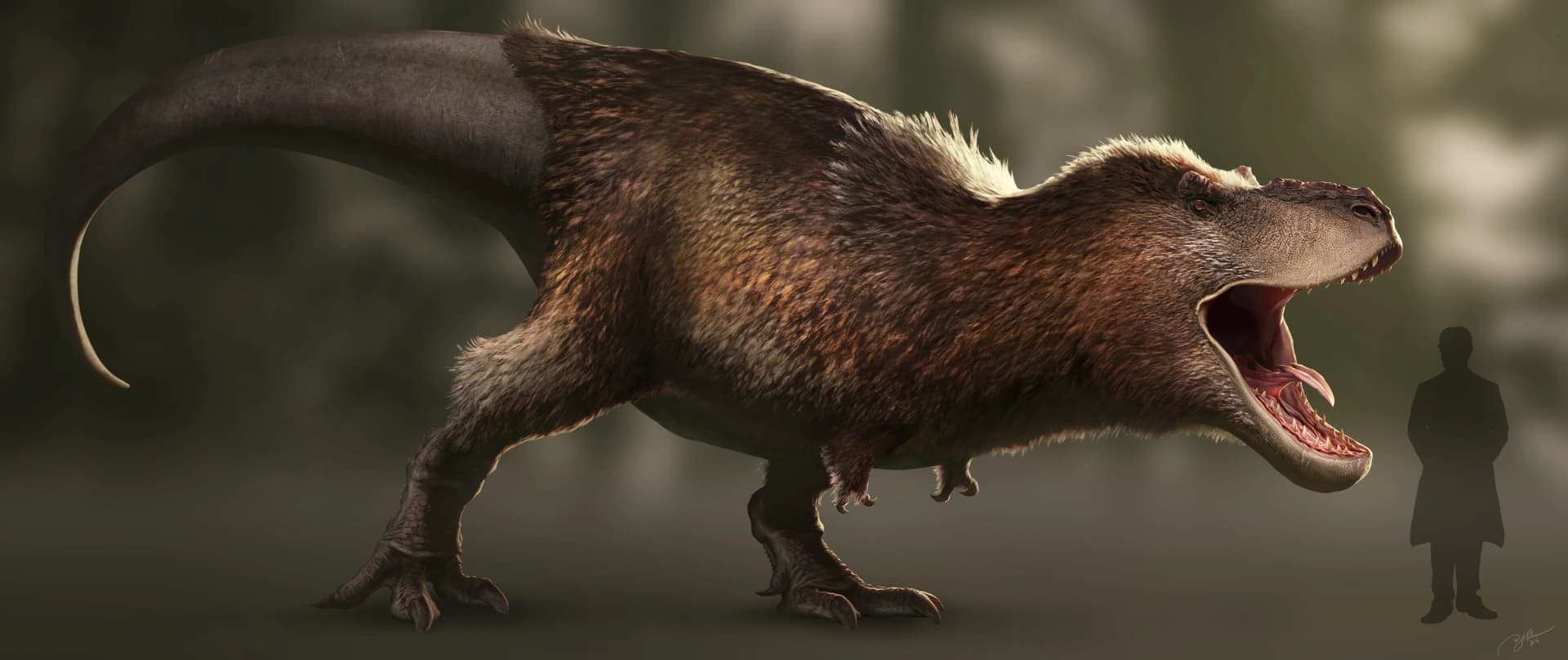
Tyrannosaurus rex
Era: Mesozoic
Period: Late Cretaceous
Diet: Carnivore
Region: North America
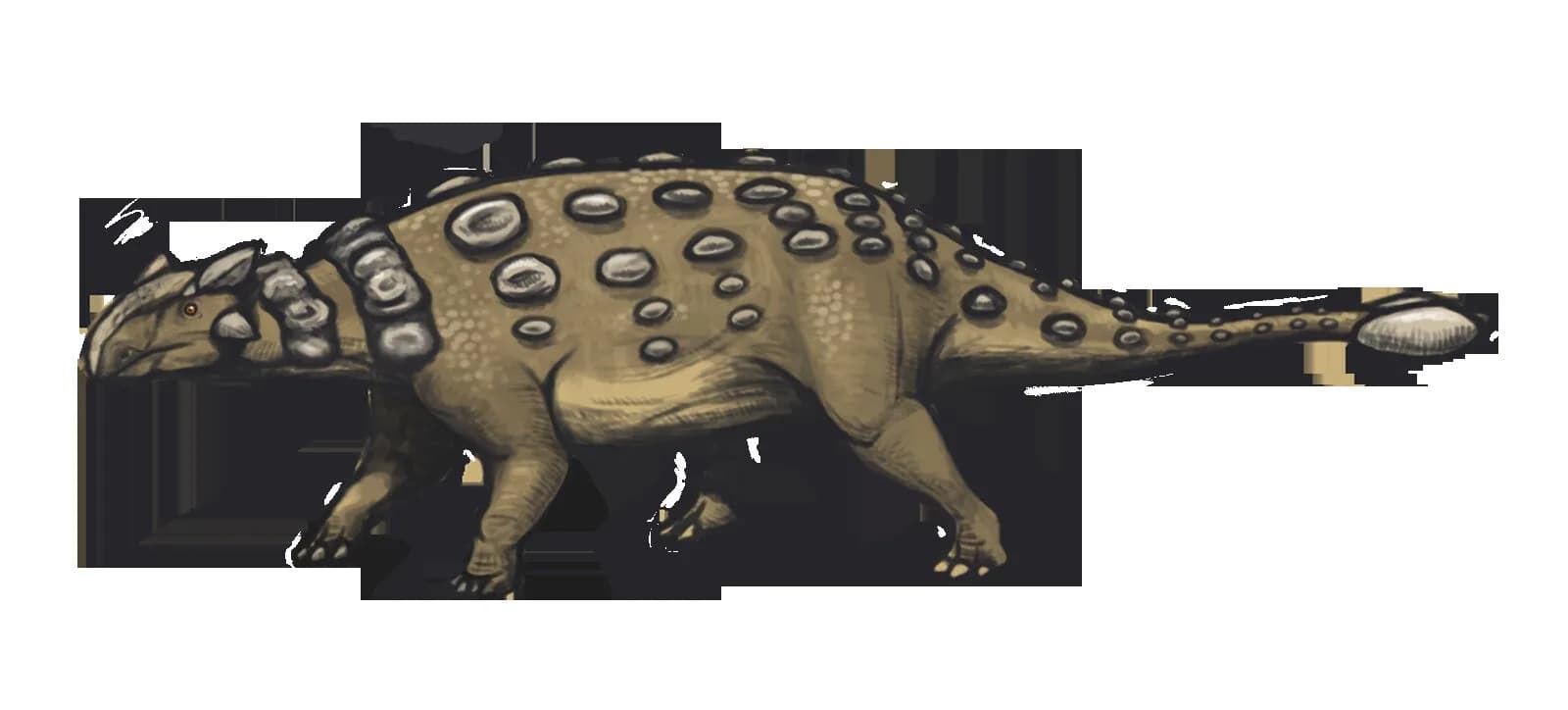
Ankylosaurus magniventris
Era: Mesozoic
Period: Late Cretaceous (Maastrichtien)
Diet: Herbivore
Region: North America (Montana, Wyoming, Alberta)
| Criterion | Tyrant Lizard King | Ankylosaurus |
|---|---|---|
| Length | 12-13 m m | 6–8 m m |
| Height | 4 m m | ~1.7 m m |
| Weight | 5-9 tonnes t | 4 000–8 000 kg t |
| Era | Mesozoic | Mesozoic |
| Diet | Carnivore | Herbivore |
Verdict (physical categories)
Tyrant Lizard Kingleads (3/3)
Note: size is only one factor. Speed, bite force, intelligence and hunting strategy matter too.
Biography coming soon.
Biography coming soon.
Probably not on the back — the fused osteoderms of Ankylosaurus magniventris withstood T-Rex's 57,000 N bite force. T-Rex's predation strategy was to flip the Ankylosaurus to expose the unprotected belly, or attack the more vulnerable head. The 2-3 tonne tail club could fracture T-Rex's bones.
Yes — Ankylosaurus magniventris and Tyrannosaurus rex were contemporaries in the Hell Creek Formation (Montana, North Dakota) 68-66 million years ago. Fossil traces of both species in the same geological layers confirm their coexistence in the same ecosystems.
Modelling gives a large Ankylosaurus tail club enough energy to fracture bone. Aimed at the metatarsals of a 5-to-9-tonne Tyrannosaurus rex, a single strike could have crippled it — and a predator that cannot run cannot eat. No fossil yet shows that exact injury, but the mechanics hold up.
Keep exploring paleontology