
AMD Zen 6 and Intel Nova Lake pushed to 2027
AI is eating fab capacity — next-gen gaming CPUs will wait until 2027
AMD's next desktop CPUs (Zen 6 / Ryzen 10000 'Olympic Ridge') and Intel's (Nova Lake) are slipping to 2027, with a CES 2027 reveal targeted. The cause: priority given to AI data-center chips and surging memory prices. Bad news for anyone planning a 2026 PC upgrade.
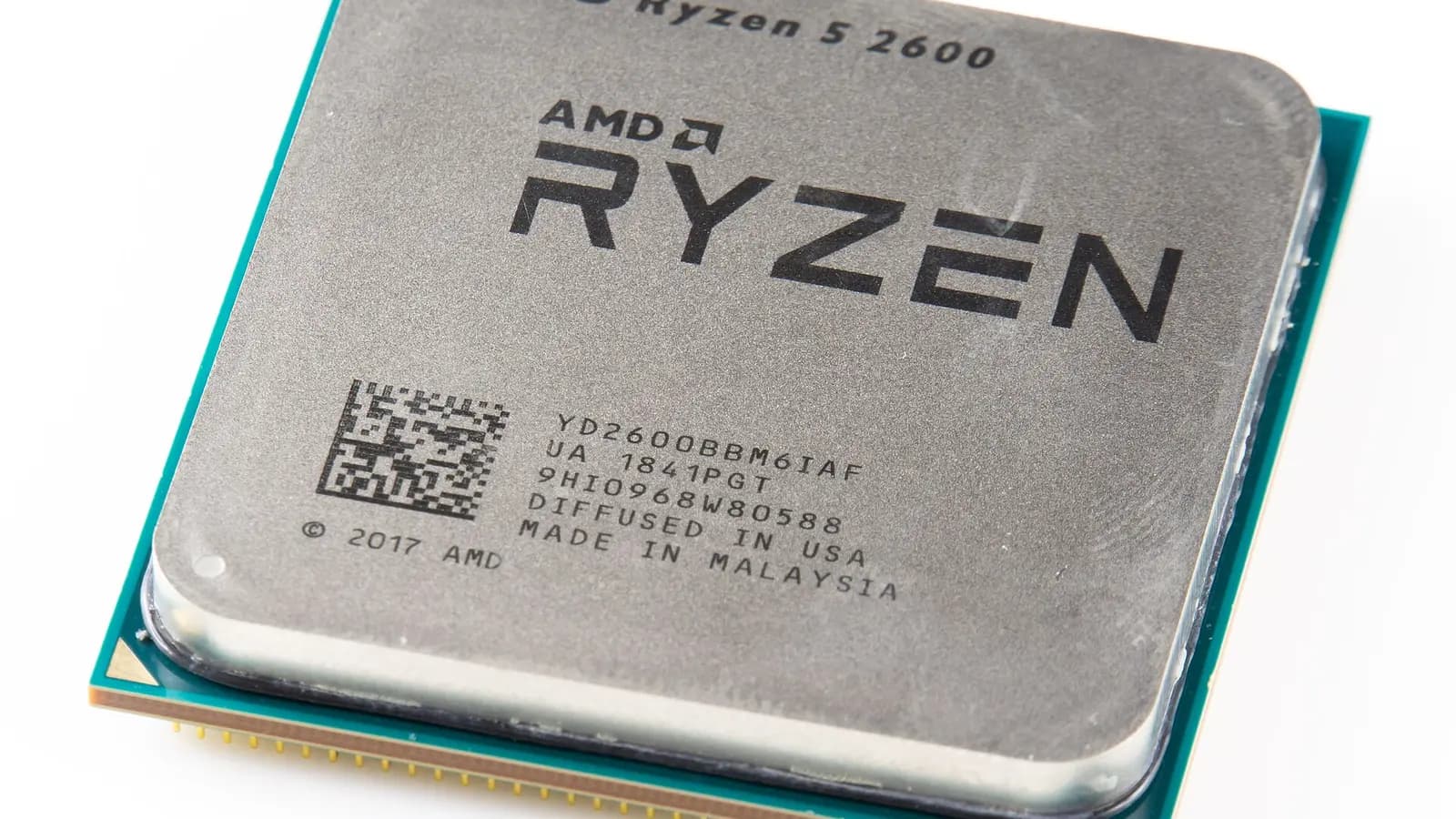
Next-gen desktop slips a year
According to a report relayed by Tom's Hardware, the two major desktop CPU architectures expected — AMD's Zen 6 and Intel's Nova Lake — won't ship in 2026 as hoped. AMD's Ryzen 10000 'Olympic Ridge' (Zen 6) lineup is now expected in 2027, and Intel is targeting a Nova Lake-S reveal at CES 2027, even if a few variants could surface in late 2026.
Why the delay? AI cuts the line
The underlying reason is the rush for AI data-center chips. Intel said it is shifting production capacity from consumer chips to its data-center CPUs. AI demand is soaking up fab capacity, and the PC market is paying for it. This delay piles onto an already tight context: DDR5 memory prices have tripled, and GPU and SSD prices are climbing too.
What the wait costs us — the announced specs
| Architecture | Cores (max) | Detail |
|---|---|---|
| AMD Zen 6 (Olympic Ridge) | Jusqu'à 24 | Nouveau CCD 12 cœurs |
| Intel Nova Lake | Jusqu'à 52 | 288 Mo de cache |
On paper, these are big jumps: a 12-core CCD from AMD (versus 8 today) and a massive cache from Intel. All performance gains that stay out of reach for another year, until the schedules clear up.
And what about graphics cards?
On the GPU side, the calendar is a bit less grim, but not ideal either. Nvidia's Rubin architecture is in full production, mostly aimed at the data center; consumer cards based on it are expected in late 2026 or early 2027. One rumor even points to RTX 60 cards (Rubin architecture) not arriving until the second half of 2027. At AMD, the new UDNA architecture (replacing RDNA) is targeted for late 2026, with broad desktop and mobile availability more likely in Q1-Q2 2027.
The real software news is DLSS 4.5: Nvidia adds dynamic multi-frame generation (a 6X mode) and a second-generation transformer model for super-resolution. Over 250 games and apps now support DLSS 4, including 007 First Light, PRAGMATA and Resident Evil Requiem at launch. That's a way to squeeze more FPS out of your current card without new hardware — precisely what helps you wait until 2027.
What it changes for your upgrade
In practice, if you were eyeing a new CPU platform in 2026, the calendar just emptied out. The good news: current sockets (AM5 on AMD) stay relevant, and a current-gen Ryzen X3D remains an excellent gaming pick. The bad news: with memory and SSDs costing a lot, a full 2026 build stays pricey. For a gaming PC, it's probably wiser to hunt a deal on the current generation than to wait for 2027.
- Want to game now: target a current Ryzen X3D on AM5 — the platform stays relevant through at least 2027.
- Can wait: let the memory price peak pass before building a full rig.
- Short on FPS: enable DLSS 4 / FSR on your current card before considering a GPU upgrade.
- Watch late 2026: first consumer Rubin (Nvidia) and UDNA (AMD) cards.
📚 Verified sources
- Tom's Hardware — Zen 6 and Nova Lake reportedly delayed to CES 2027(verified 2026-05-29)
- Tom's Hardware — Desktop GPU/CPU roadmap(verified 2026-05-29)